
Industry
China Electric Truck Sales: How to Distinguish Deliveries, Registrations, and Exports
China electric truck sales can mean manufacturer deliveries, domestic registrations or exports. Here is how to read each measure correctly.
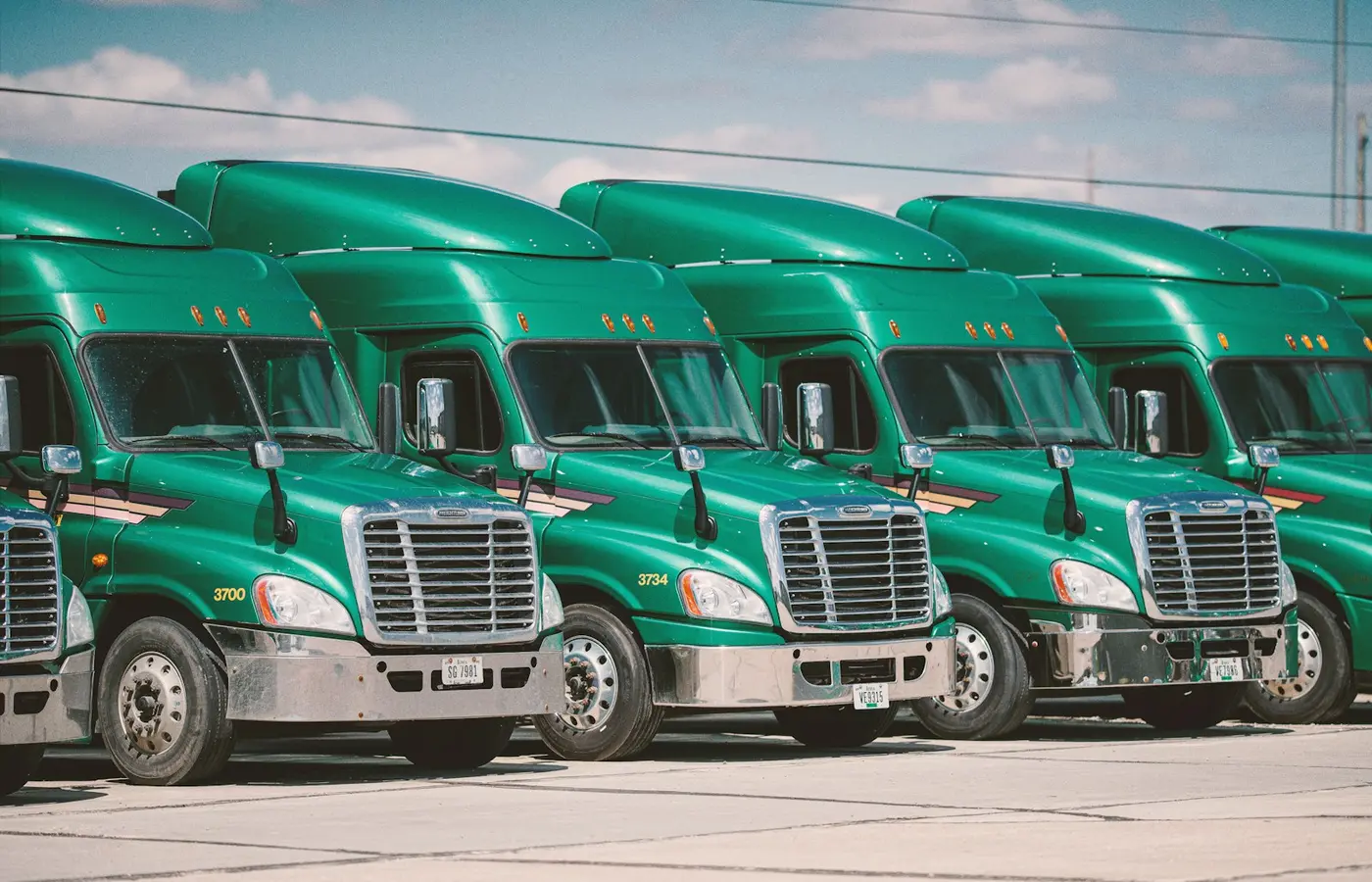
A headline saying that China electric truck sales have risen sharply may be accurate, yet still leave an important question unanswered: what exactly was counted?
Depending on the source, “sales” may refer to vehicles reported sold by manufacturers, trucks delivered through a dealer or directly to a fleet, newly registered vehicles entering China’s road-vehicle system, or commercial vehicles shipped out of China. These are related measures, but they record different events at different points in the vehicle lifecycle.
That distinction matters for fleet operators, suppliers, investors and overseas buyers. Factory sales can indicate production momentum. Registrations can provide a closer view of domestic fleet entry. Export data can show international shipment activity, but not necessarily overseas retail sales or operational deployment. Treating all three as interchangeable can overstate demand, obscure channel inventory changes or create misleading market-share comparisons.
Why “China electric truck sales” is not one comparable number
A truck can move through several reportable stages before it begins commercial work:
- It is produced at a factory.
- It is reported sold or transferred by the manufacturer, potentially to a dealer, distributor, leasing company or fleet customer.
- It may be delivered physically to a customer.
- It may be registered for road use in China.
- If exported, it may cross the border and later be sold, registered or placed into service in another market.
A dataset may capture one of these events, several of them, or an aggregation assembled from other sources. The word “sales” alone does not identify the event.
The same issue applies to vehicle scope. One source may count all commercial vehicles; another may count only trucks. A truck dataset may include light-duty urban delivery vehicles, medium-duty trucks and heavy-duty tractors, while another focuses solely on medium- and heavy-duty freight vehicles. Powertrain definitions can also differ. “Electric” might mean battery-electric only, or it might include plug-in hybrid and fuel-cell vehicles within a broader new-energy vehicle category.
Before comparing two totals, readers should establish four basics:
- Who published the figure? Manufacturer, industry association, registration-data provider, customs authority or international research organisation.
- What event was counted? Production, wholesale sale, delivery, registration, customs shipment or retail transaction.
- Which vehicles were included? Truck class, body type, use case and powertrain.
- Which market and period were covered? Mainland China domestic activity, exports, calendar month, quarter, year-to-date period or fiscal year.
Without those details, a comparison may look precise while measuring unlike things.
Manufacturer sales and deliveries: what they usually capture
Manufacturer-reported sales are often the fastest and most visible indicator of commercial-vehicle market momentum. They can be useful for tracking production planning, component demand, dealer channel activity and changes in OEM competitive position.
However, a manufacturer sales figure does not automatically prove that a truck has entered service with its final operator.
In commercial vehicles, the reported transaction may occur when an OEM ships a vehicle to a dealer, transfers it to a distributor, invoices a leasing business, or hands it over to an identified fleet customer. The commercial meaning of “delivery” can vary by company and by the wording used in its release or financial filing.
A direct fleet handover is generally closer to end-user deployment than a dealer shipment. Even then, delivery is not necessarily the same as registration or active operation. A fleet may receive vehicles before scheduling registration, body upfitting, insurance, route allocation or charging infrastructure commissioning.
What manufacturer data can tell you
Manufacturer-reported volumes are particularly useful for assessing:
- near-term demand reaching OEMs and distribution channels;
- production and supply-chain requirements;
- the pace at which particular truck makers are shipping electric models;
- segment momentum when a manufacturer provides a clear breakdown by truck type and powertrain.
What it cannot prove on its own
Manufacturer figures should not be used alone to establish:
- the number of electric trucks newly entering China’s active road fleet;
- final retail demand in a particular province or city;
- dealer inventory levels;
- the number of vehicles operating in freight service;
- overseas fleet adoption where the volume represents exports rather than destination-market registrations.
The practical rule is simple: read the company’s own definition before relabelling a reported volume as retail sales, fleet adoption or domestic market share.
New registrations: a closer indicator of domestic fleet entry
New-registration data normally offer a stronger indication that a vehicle has entered the domestic road-vehicle system. Registration generally follows a vehicle’s sale or delivery process and is therefore often more relevant than factory sales when the question is domestic fleet adoption.
For example, a registration-based series can help analysts study where electric trucks are entering service, whether growth is concentrated in specific regions, and how different truck classes are evolving in the domestic market.
But registration is not a perfect proxy for immediate operation. A newly registered truck may not begin freight work on the same day. It could still be awaiting route assignment, driver training, charging access, trailer matching or other operational preparations.
Registration datasets may also have limitations that need to be checked before use:
- Reporting lag: A vehicle can be sold or delivered in one reporting period and registered in another.
- Classification detail: Public releases may not split every truck category or powertrain type needed for a specific analysis.
- Geographic interpretation: Registration location may not always correspond to where a truck will spend most of its operating life.
- Coverage and methodology: Some market datasets draw on administrative records, insurance records or compiled registration databases. Their scope should be reviewed rather than assumed.
For domestic adoption analysis, registrations are often the preferred starting point, provided the source clearly identifies new vehicles, vehicle categories and energy types.
Exports are shipments across the border, not domestic electric-truck sales
China’s commercial-vehicle exports are important to the electric-truck story, especially as Chinese manufacturers build overseas distribution, service and financing capabilities. But customs exports should be treated as a separate market measure from domestic sales or registrations.
An export record generally reflects a vehicle shipment moving across China’s border under the relevant trade classification. It does not necessarily show that the truck has been sold to its final overseas customer, registered in the destination country or begun operating in a fleet.
The time gap can be significant. A truck may leave China in one month, arrive in the destination market later, pass local approval or body-building processes, and be registered after an additional delay. In some cases, vehicles may enter distributor stock before final sale.
What export data is good for
Export data can help identify:
- momentum in overseas shipments from Chinese truck manufacturers;
- destination-market exposure, where trade classifications and destination data are sufficiently detailed;
- potential demand for Chinese-made components, aftersales support and charging equipment abroad;
- the difference between domestic market growth and international shipment growth.
What it does not establish
Exports alone do not establish:
- foreign retail sales;
- destination-market registrations;
- fleet utilisation or route deployment;
- the final buyer’s identity;
- whether a shipment is battery-electric, plug-in hybrid or another powertrain unless the underlying trade classification and source documentation support that distinction.
This is especially important when assessing claims about Chinese electric-truck penetration abroad. Shipment momentum may be commercially significant, but destination-country registration data are usually better evidence of vehicles entering overseas fleets.
The comparison checklist: align the metadata first
The safest way to compare China electric truck sales datasets is to make a short comparison table before calculating growth rates, market share or adoption rates.
| Question | Why it matters |
|---|---|
| Is this production, manufacturer sales, delivery, registration or export data? | Each measure records a different stage of the vehicle lifecycle. |
| Is the figure domestic, export, global or combined? | Domestic demand and overseas shipments should not be added or compared without clear boundaries. |
| Which truck classes are included? | Light trucks and heavy tractors serve different markets and can move at different rates. |
| What does “electric” include? | Battery-electric, plug-in hybrid, fuel-cell and broader new-energy categories are not interchangeable. |
| Are special-purpose vehicles included? | Mixing cargo trucks with specialist commercial vehicles can distort market totals. |
| What reporting period is used? | Monthly, quarterly, year-to-date and fiscal-year totals can produce apparent discrepancies. |
| Can the data be revised? | Initial releases may be updated as reporting is completed or classifications are corrected. |
A frequent error is to divide a registration-based electric-truck total by a manufacturer-sales total for all trucks and call the result an electrification rate. That calculation may combine incompatible scopes. The numerator and denominator should use the same geography, vehicle population, reporting event and period wherever possible.
How to use each measure for market analysis
No single measure answers every question. The appropriate dataset depends on what decision is being made.
Use manufacturer sales or deliveries for supply-chain and channel analysis
These figures are useful when assessing OEM production momentum, battery and component demand, dealer activity, and short-term changes in truckmaker output. They are strongest when the publisher explains whether the count reflects dealer shipments, direct customer handovers or another defined event.
Use new registrations for domestic adoption analysis
When the question is how many electric trucks are entering China’s road fleet, new registrations are usually the more relevant indicator. They should still be checked for truck-class coverage, new-energy classifications and regional reporting differences.
Use export shipments for international trade analysis
Customs or manufacturer export data are appropriate for examining cross-border shipment activity. They should not be presented as overseas fleet sales unless destination-market evidence supports that conclusion.
Use multiple datasets for a fuller market picture
The strongest analysis often combines compatible measures rather than choosing one headline total. For example, manufacturer sales can show whether OEM shipments are accelerating, registrations can indicate domestic fleet entry, and exports can identify the share of activity moving abroad.
When the measures diverge, the gap can be informative. Higher manufacturer sales than registrations may reflect timing, channel movement or incomplete registration in the period. Rising exports alongside stable domestic registrations may indicate that overseas shipments are contributing more to OEM volume. These are hypotheses to investigate, not conclusions that the data prove automatically.
What to watch in China electric-truck reporting
China is central to the global electric-truck market. The International Energy Agency’s Global EV Outlook coverage of other electric vehicle modes highlights China’s large role in global electric-truck sales. But international totals should still be read alongside their stated vehicle scope and source methodology, particularly when comparing them with Chinese domestic reporting.
For practical market monitoring, ask publishers to clarify the following whenever possible:
- whether a number is wholesale, retail, delivery, registration or export volume;
- whether it covers battery-electric trucks only or a wider new-energy category;
- whether light-duty trucks are included with medium- and heavy-duty vehicles;
- whether the figure excludes buses, vans and special-purpose vehicles;
- whether the period is based on shipment date, registration date or customs declaration date;
- whether historical figures may be revised.
The key takeaway is not that one measure is always superior. It is that each measure answers a different question. Manufacturer deliveries help explain commercial and production momentum. Registrations provide a closer view of vehicles entering the domestic road system. Exports show cross-border shipment activity. Reading China electric truck sales correctly means identifying which of those events a headline has actually counted.
FAQ
Are electric-truck deliveries and registrations the same thing in China?
No. A delivery generally refers to a manufacturer, dealer or fleet handover event, depending on the reporting company’s definition. A new registration generally indicates that the vehicle has entered the road-vehicle registration system. Delivery can occur before registration, and registration does not necessarily mean immediate commercial operation.
Do China’s electric-truck export figures show trucks sold to overseas fleets?
Not necessarily. Export data normally show vehicles shipped across the border. The trucks may later be sold, registered and deployed overseas, but those are separate events that require destination-market or company-specific evidence.
Which measure is best for tracking domestic electric-truck adoption in China?
New-registration data are usually the most relevant starting point because they are closer to domestic road-fleet entry. However, the dataset must still have suitable coverage of truck classes and powertrain categories for the question being analysed.
Why can Chinese electric-truck datasets report different totals for the same period?
They may count different events, vehicle classes, powertrains, geographies or reporting dates. One source may measure OEM shipments, another new registrations, and another exports. Different totals do not automatically indicate an error; they may describe different parts of the same market.