

China Vehicle Export Platforms: How Buyers Should Assess Digital Coordination and Document Workflows
How to assess China vehicle export platforms for order visibility, document control, shipment updates, data access and accountability.
Market intelligence
Data-led reporting and practical explainers for buyers, operators and industry watchers navigating China’s automotive market.
How to assess China vehicle export platforms for order visibility, document control, shipment updates, data access and accountability.

A practical guide to China-side vehicle export customs clearance, including declaration records, party responsibilities and shipping handoffs.
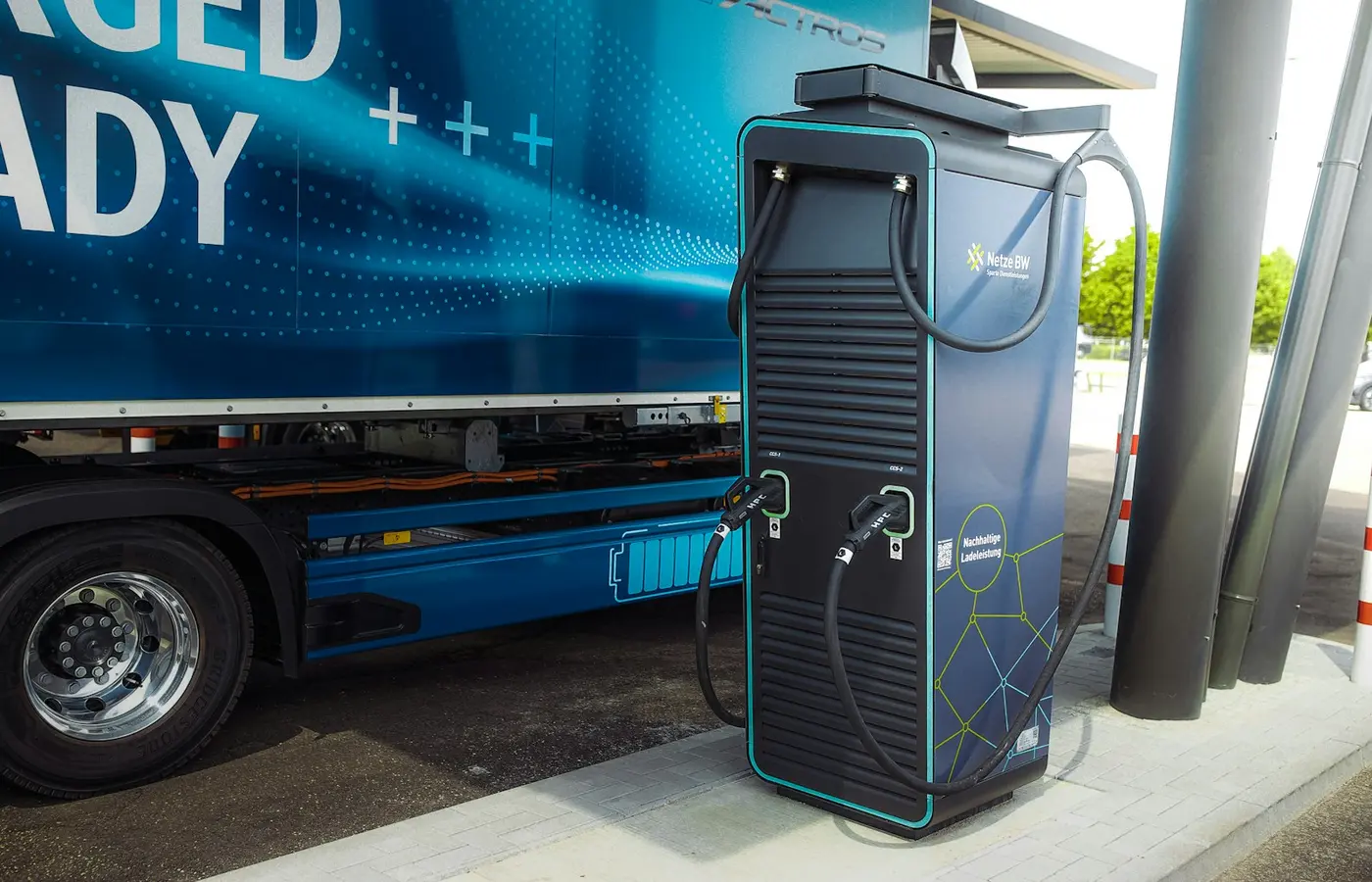
How to evaluate China electric truck rental and leasing contracts, from vehicle availability and charging to battery terms, maintenance and return obligations.

How to distinguish Chinese car brands, Chinese ownership, China-built imports, and confirmed new-vehicle retail sales in the United States.
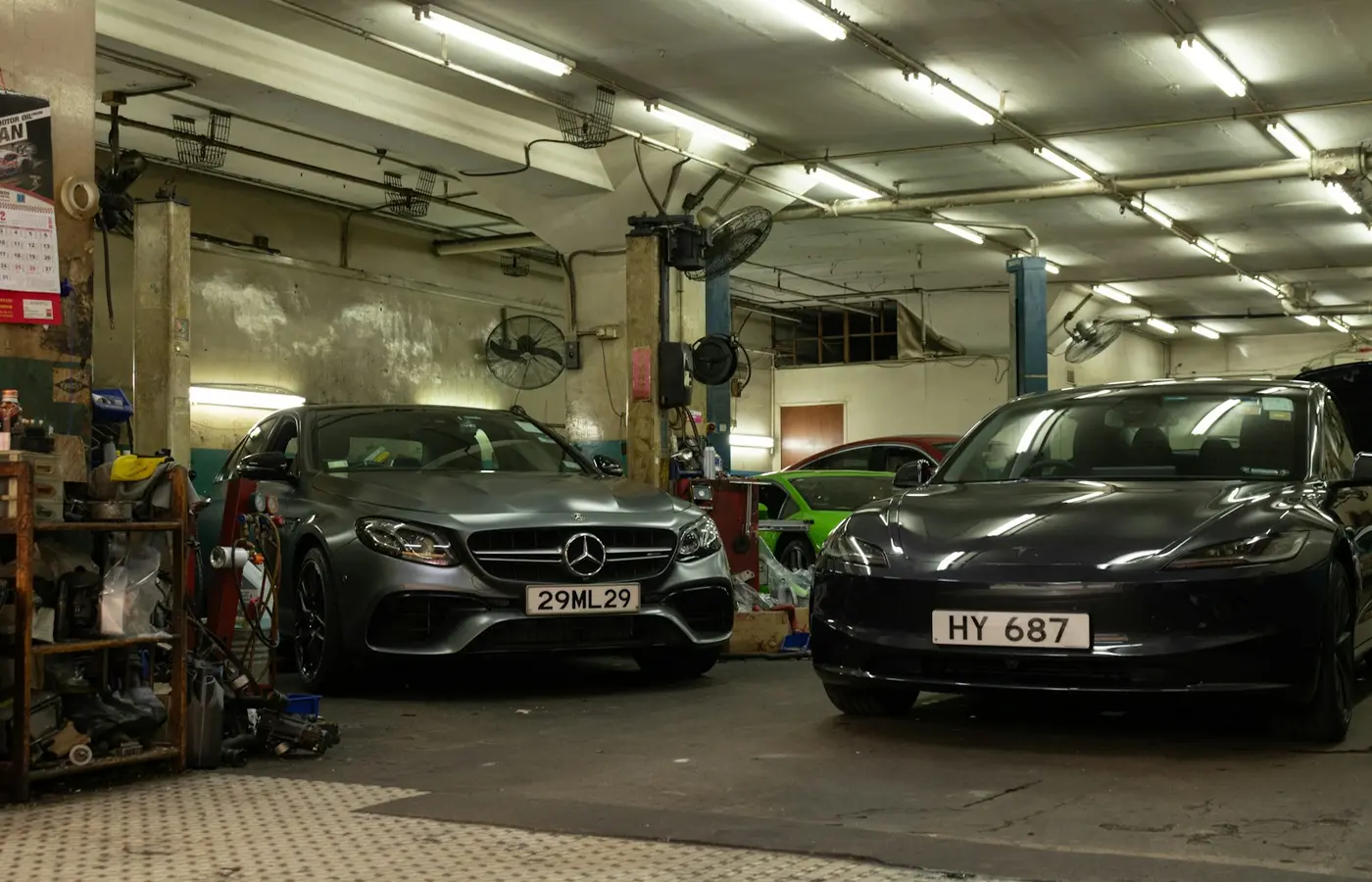
A practical due-diligence framework for importers assessing Chinese EV warranty validity, parts supply, diagnostics and local repair capability.

A practical framework for assessing China NOA hardware: sensor layouts, compute platforms, map dependence, software integration and real operating limits.
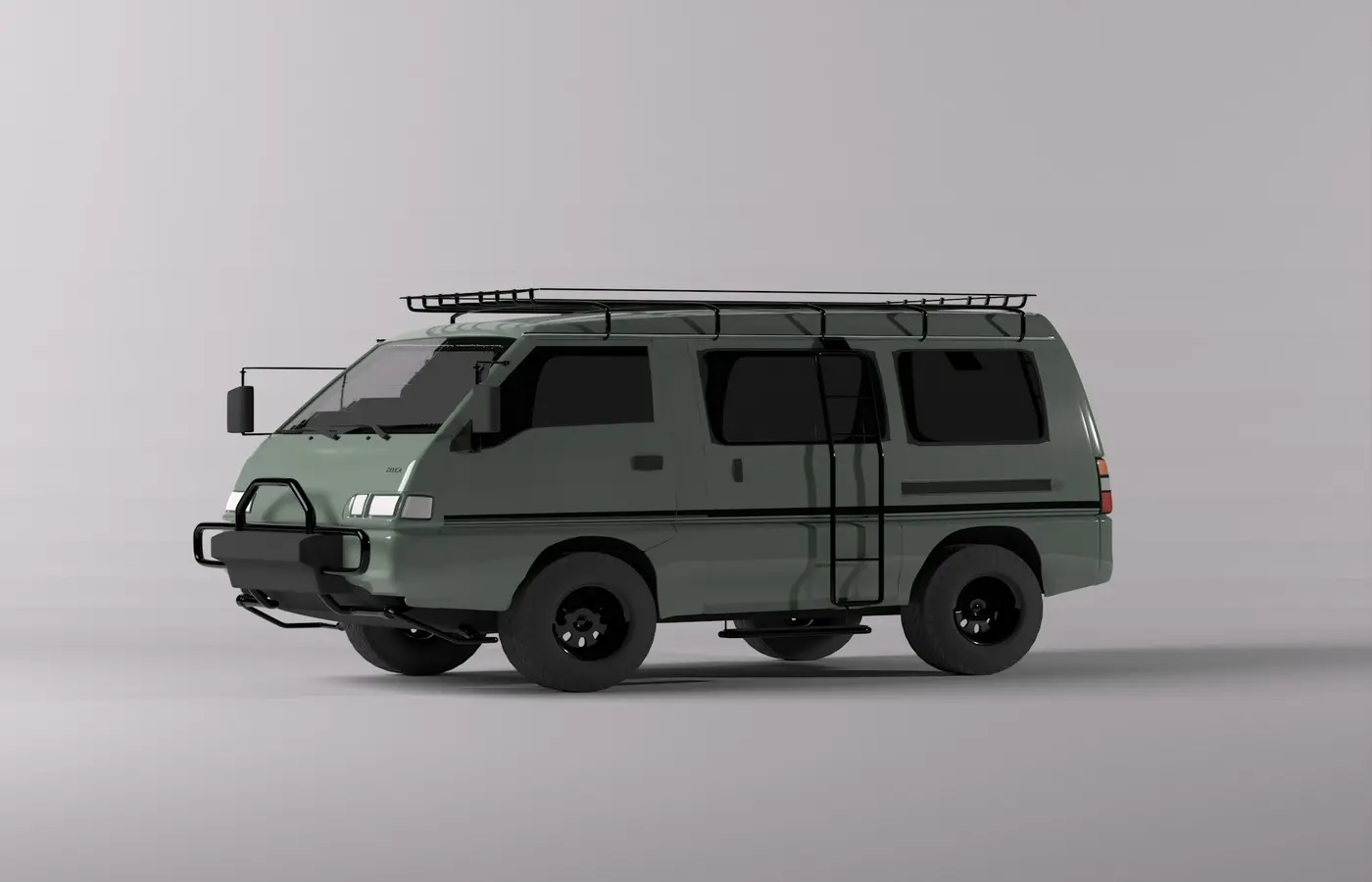
How to distinguish Chinese 4WD vans, AWD people movers and conversion vehicles, then verify specification, compliance and support before import.
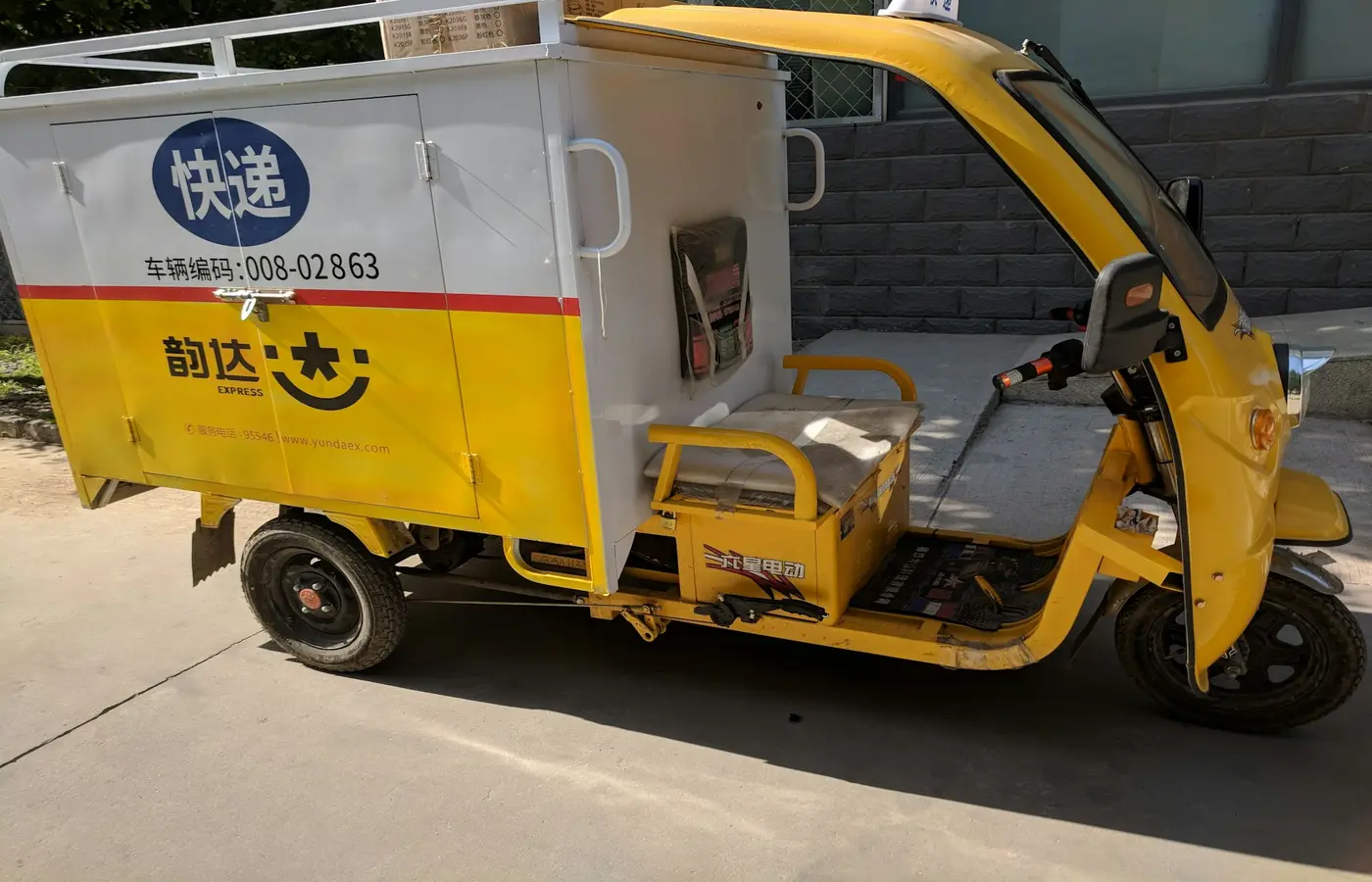
A practical framework for separating China electric truck wholesale, registration, export and fleet-use figures before comparing demand.
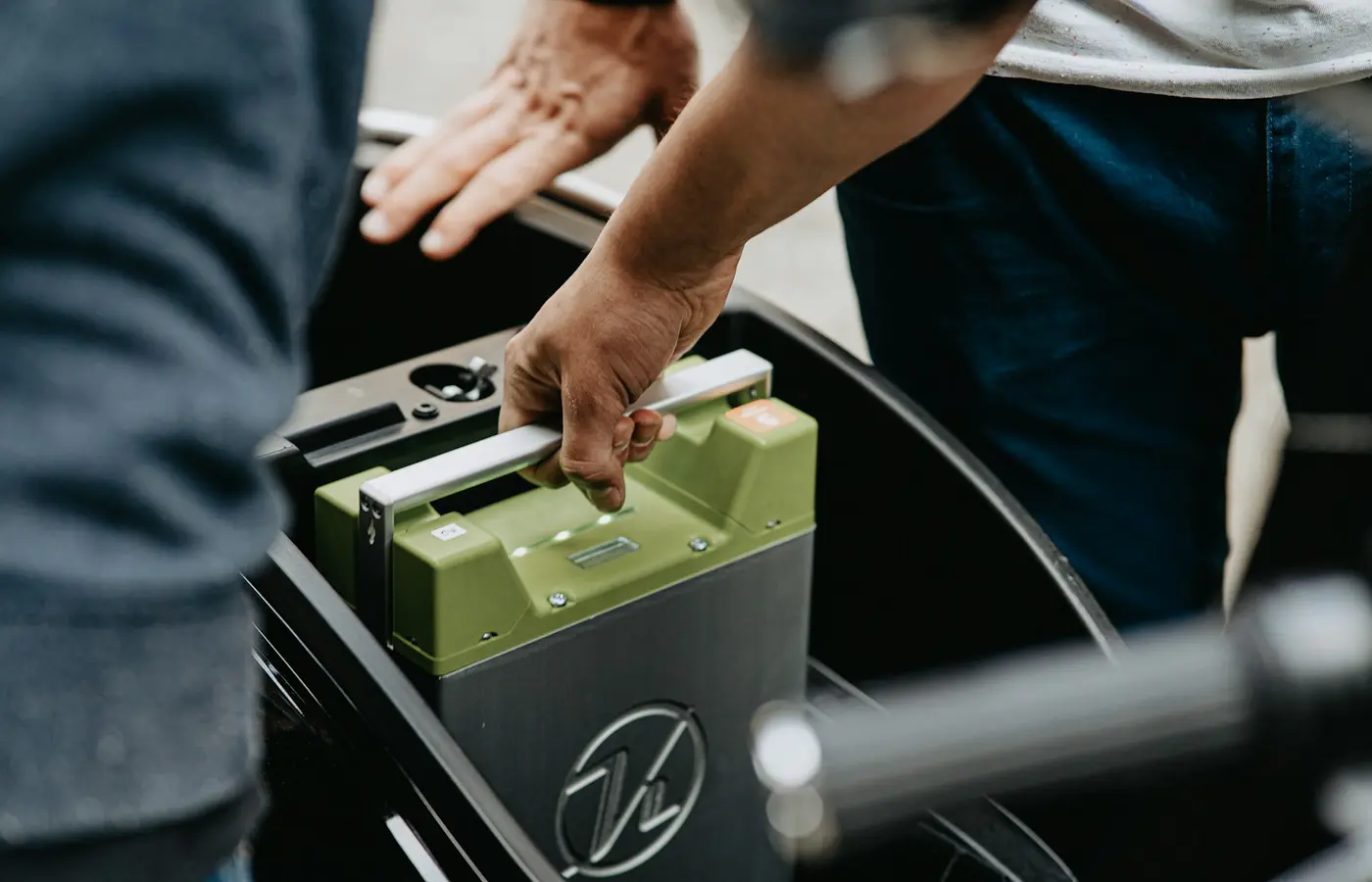
How LFP and NMC batteries affect China-built EVs—and which vehicle specifications, charging details, and warranty terms buyers should verify.
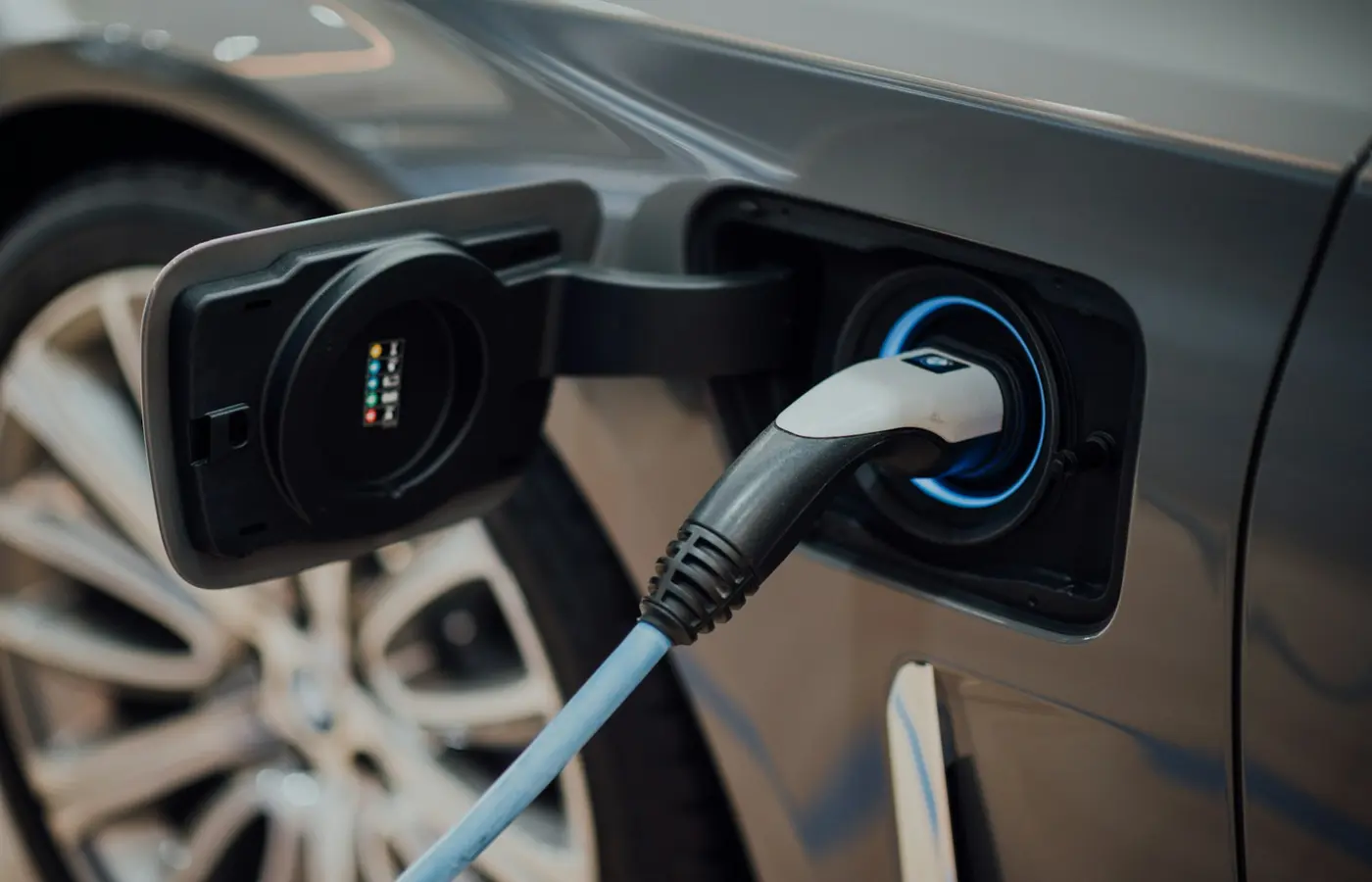
An 800V badge can support rapid charging, but battery limits, charging curves and charger compatibility determine the real stop time.
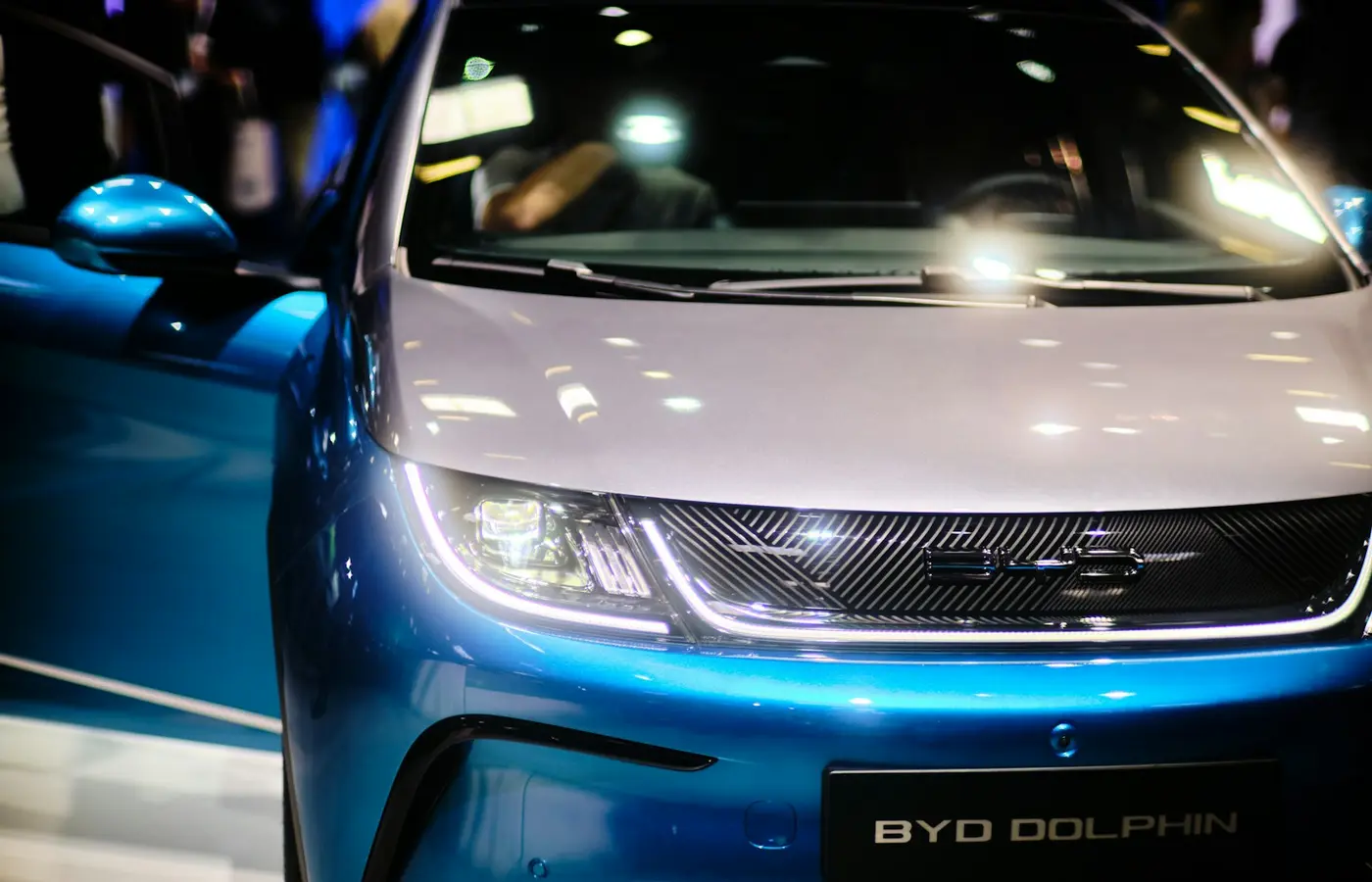
How China’s low-speed electric vehicles differ from road-legal EVs, where they are used, and what buyers should verify before sourcing.

A practical guide to choosing Ro-Ro or container shipping for vehicles from China, with handling controls, EV checks and quotation guidance.
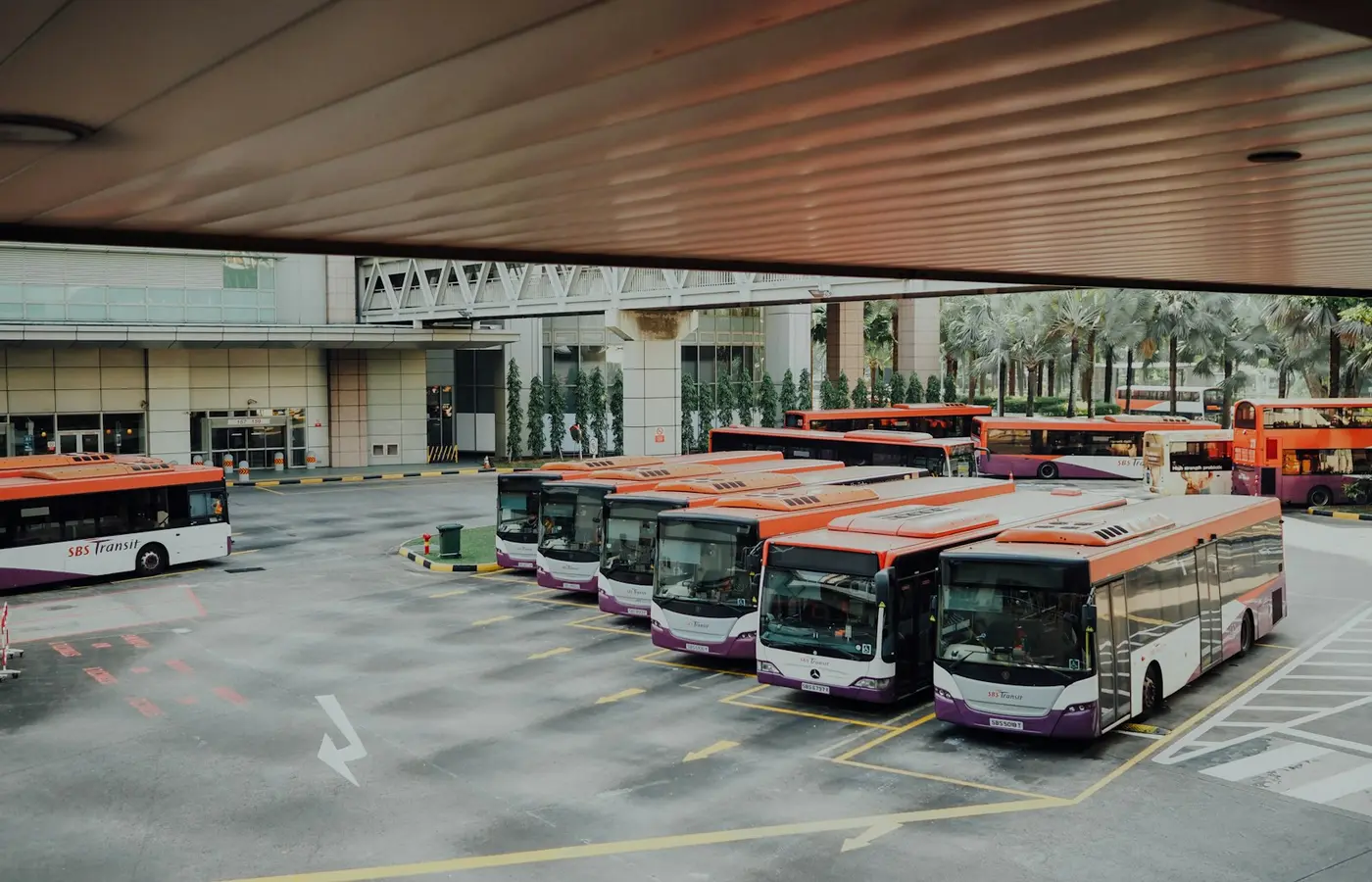
How Chinese electric buses fit urban, shuttle and intercity work, and what export buyers must verify on range, charging, compliance and support.
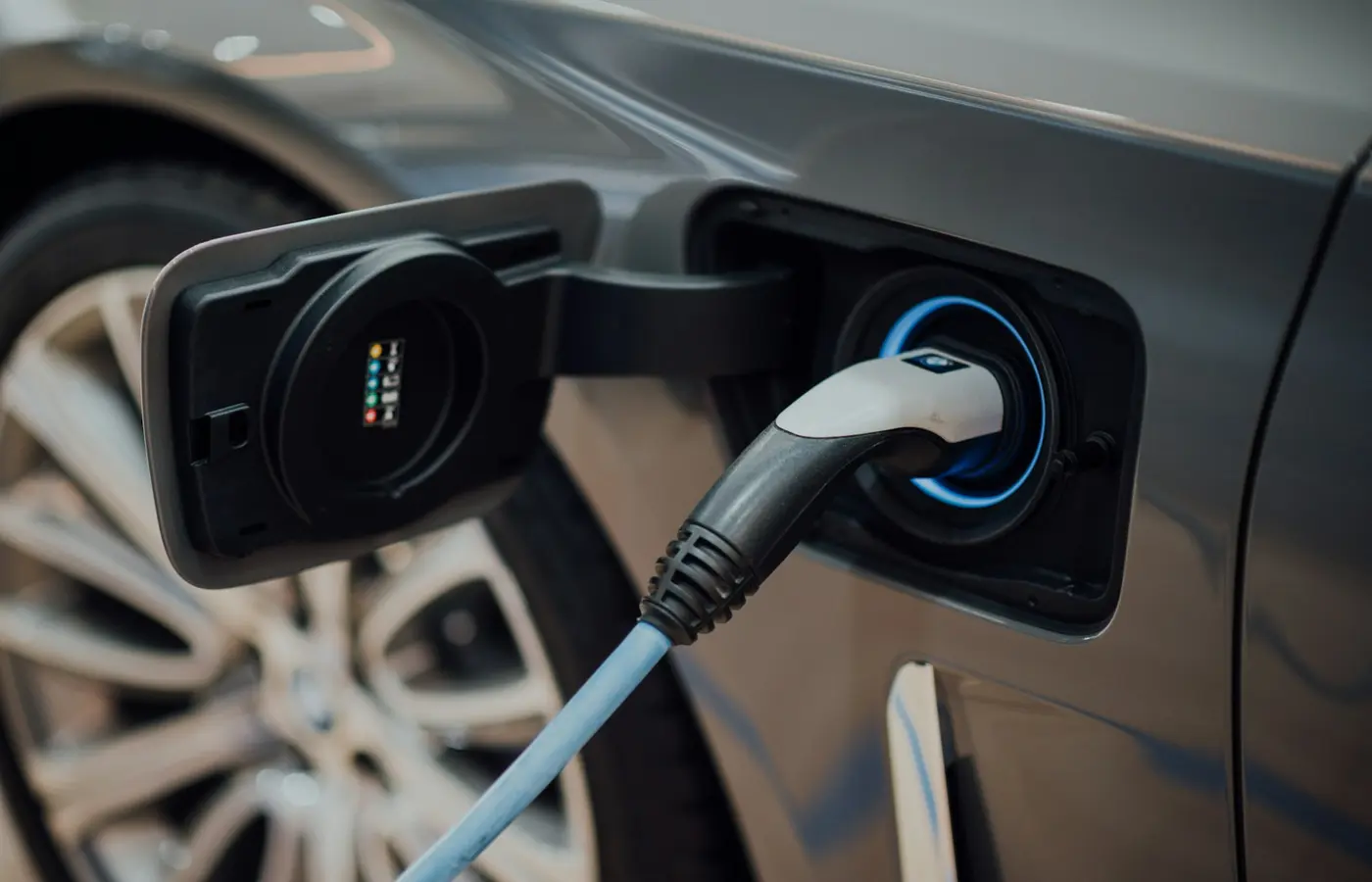
What China’s GB/T 18487.1-2023 covers, what it does not prove, and the documents overseas EV and charger buyers should verify.
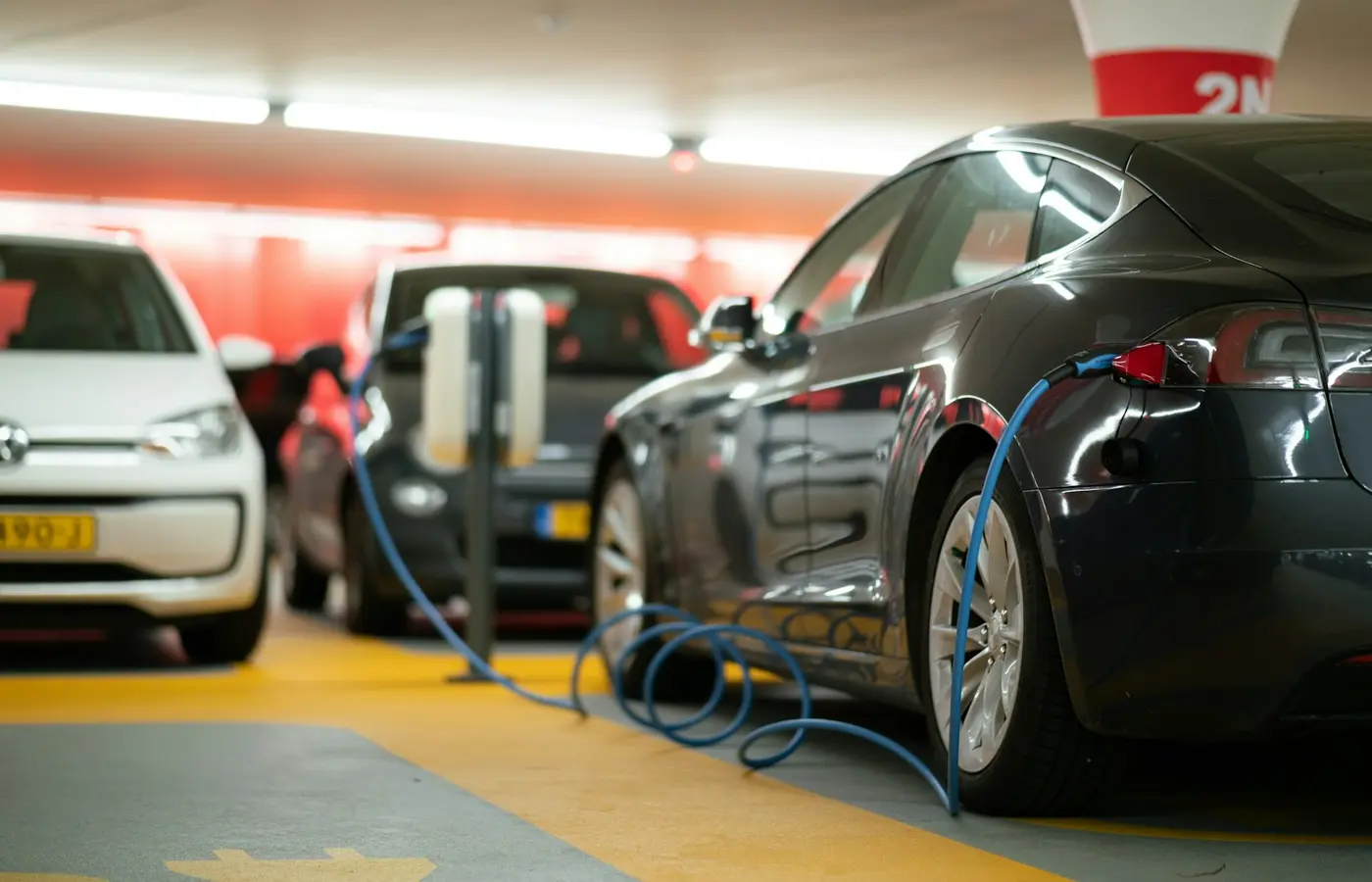
A practical guide to GB 38031-2025, China’s new mandatory EV traction-battery safety standard effective from July 2026.
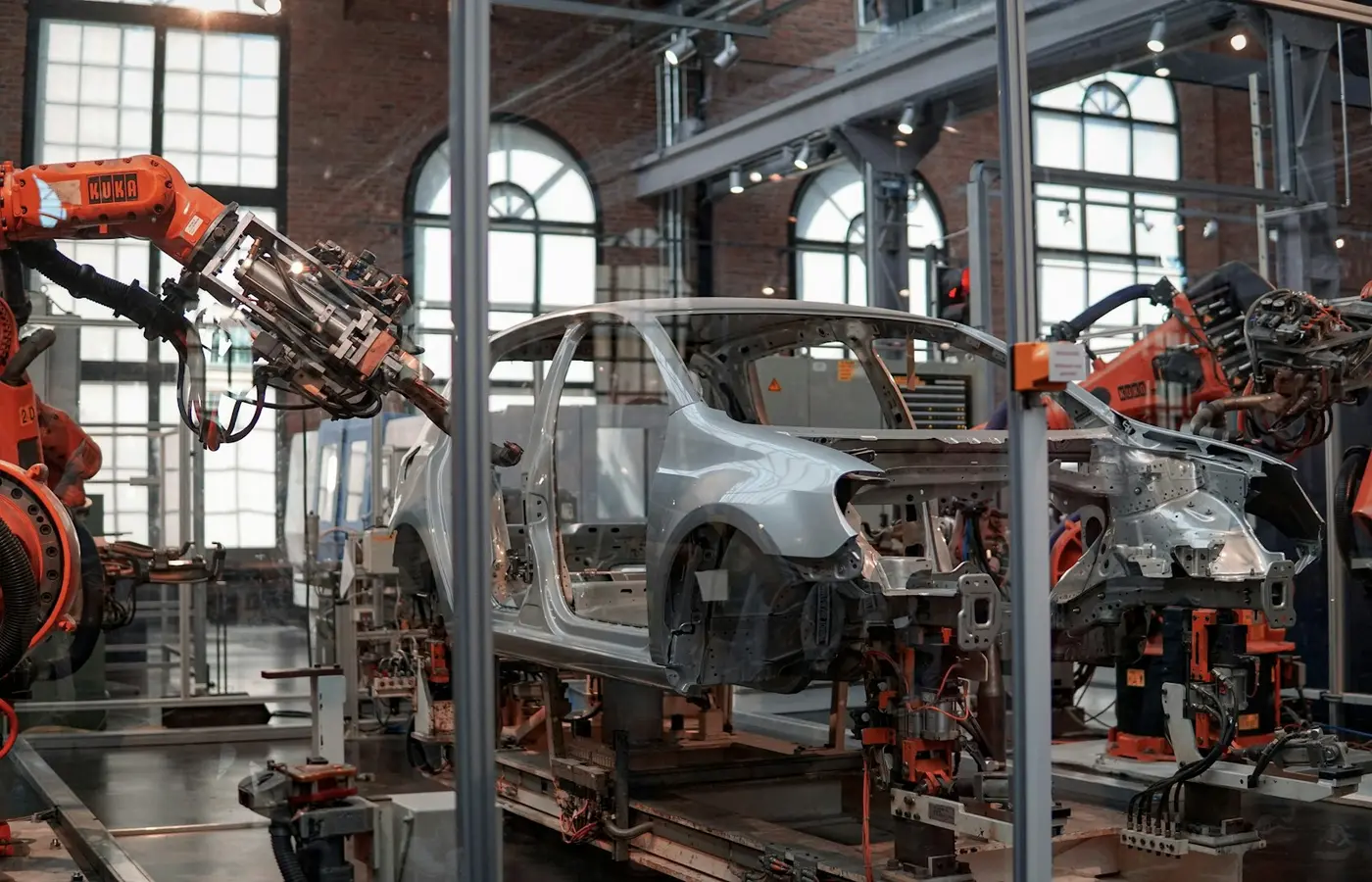
A practical guide to assessing China’s automotive-chip supply chain, from domestic chip design and qualification to verified vehicle deployment.
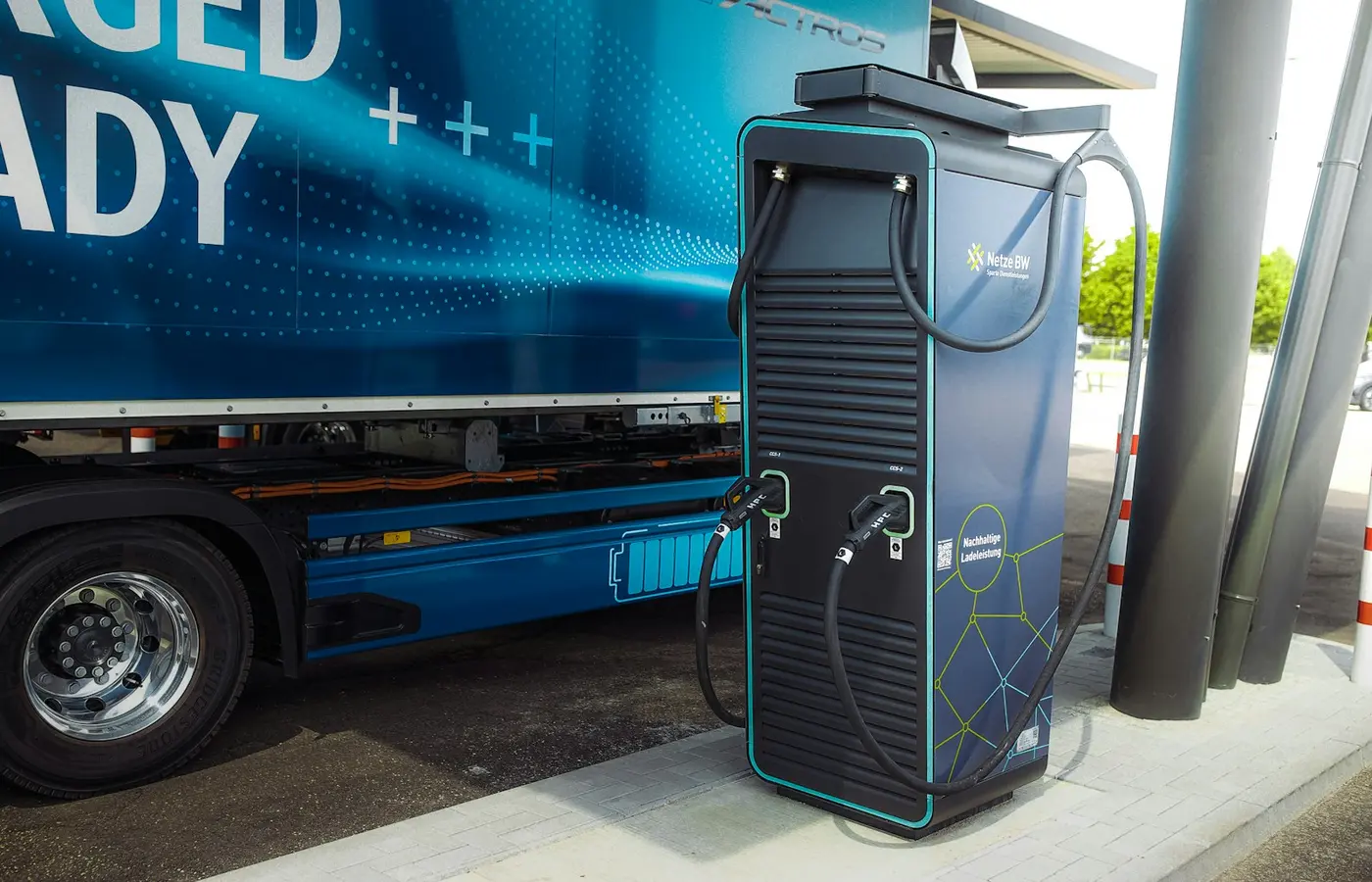
A practical guide for fleet operators assessing China EV battery swapping, from vehicle compatibility and route coverage to contracts and contingency planning.

How fleets in China can compare truck purchase, finance leases, operating leases and rentals, including electric-truck battery, charging and uptime terms.
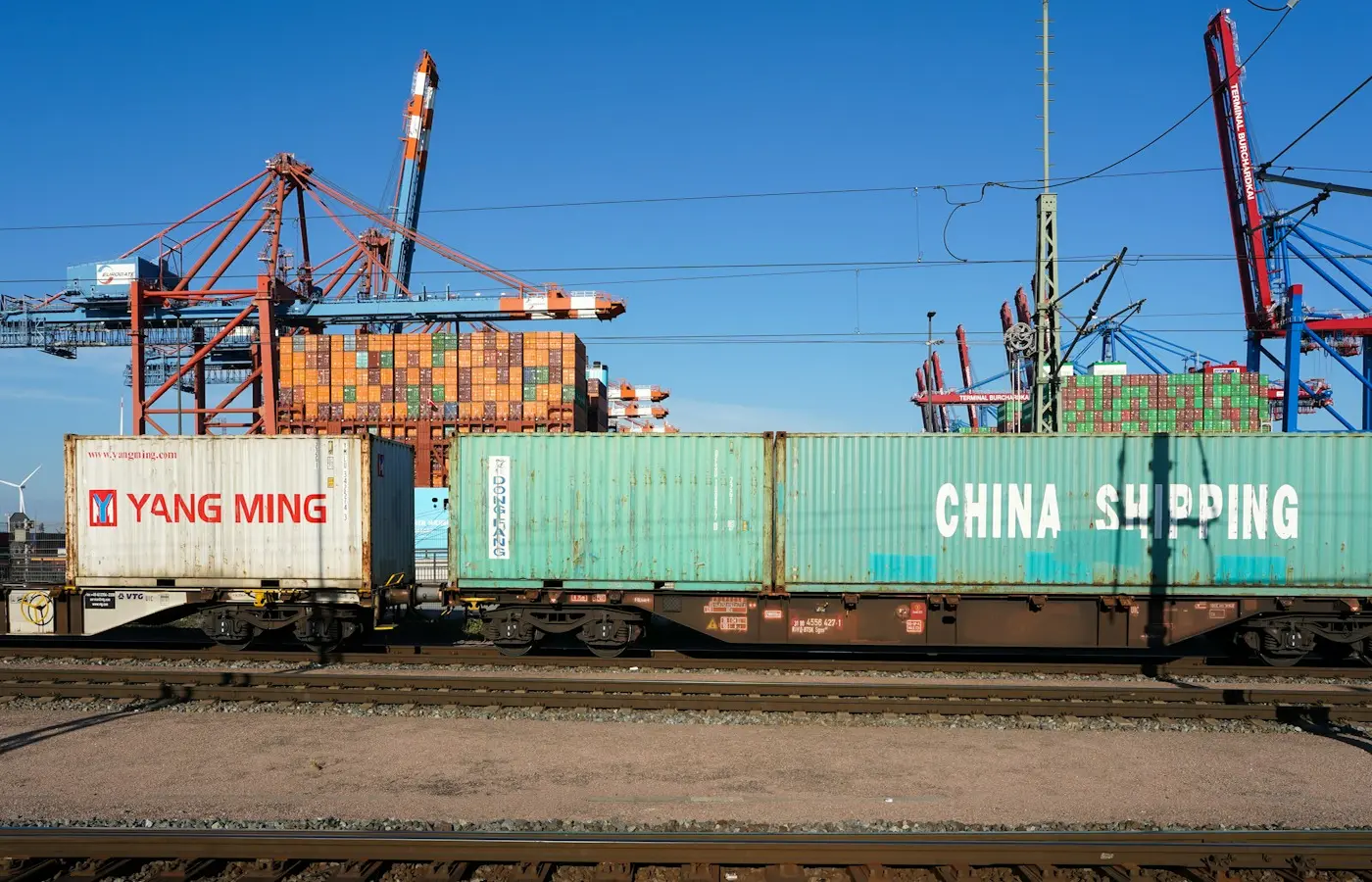
A practical guide to interpreting China vehicle export data, from customs shipments and automaker dispatches to registrations and retail demand.

China’s NOA market spans highway and urban assisted-driving systems, with automakers and suppliers differentiating through software, hardware and rollout strategy.
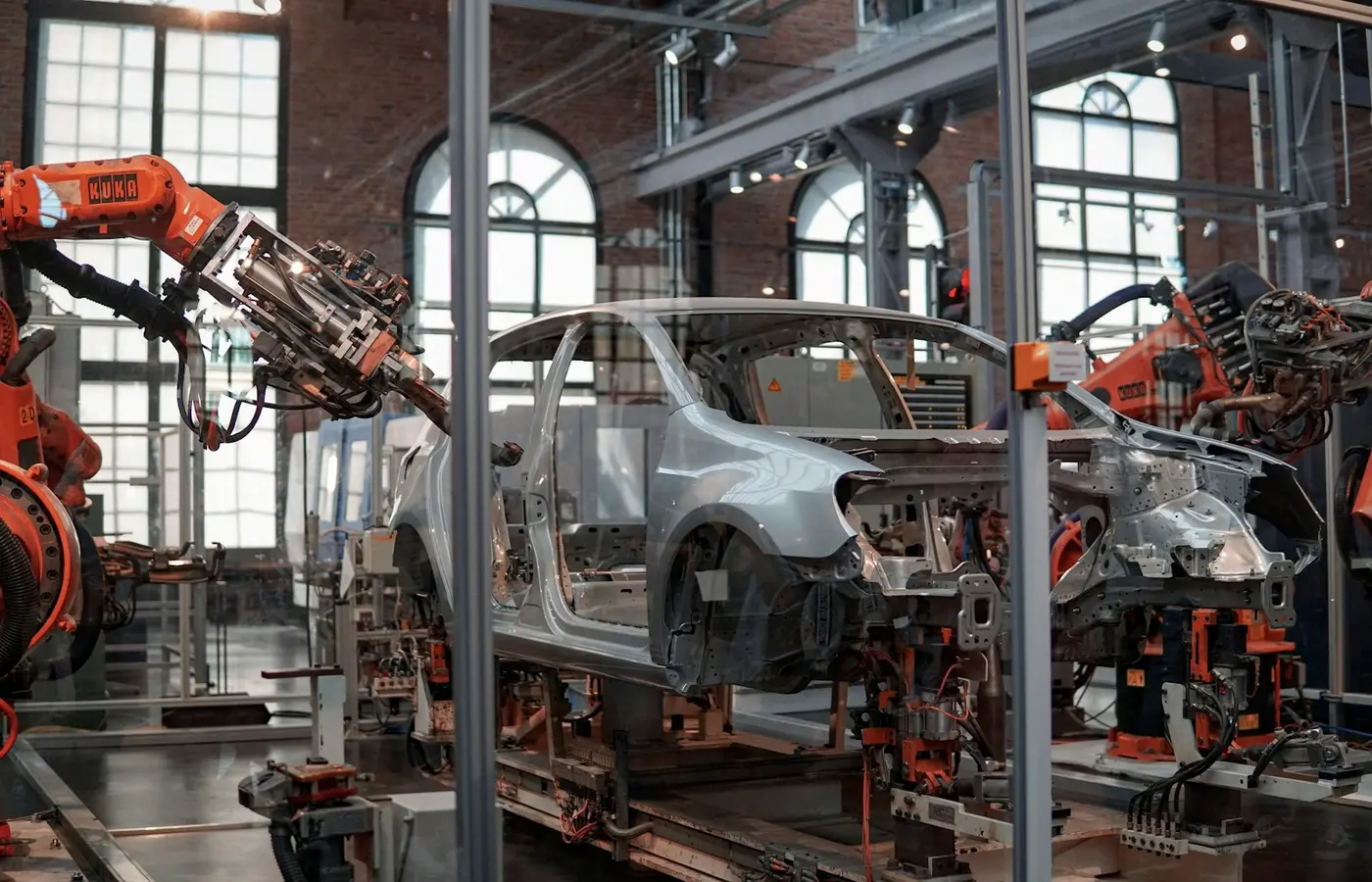
A practical guide to CBU imports, SKD and CKD assembly, contract manufacturing and local production by Chinese automakers overseas.
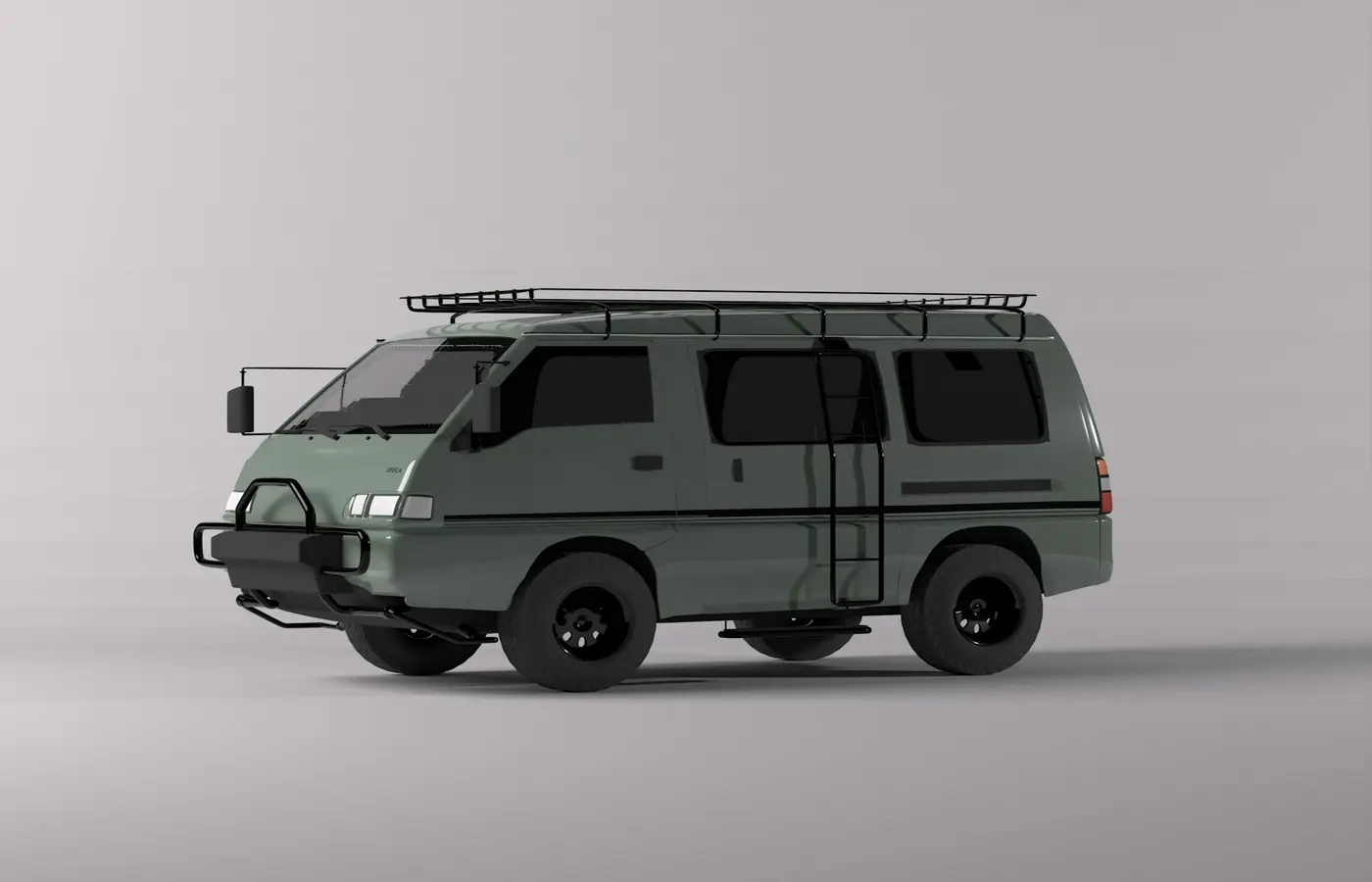
How to assess Chinese 4x4 vans by duty cycle, drivetrain design, export readiness, compliance requirements, and parts support.
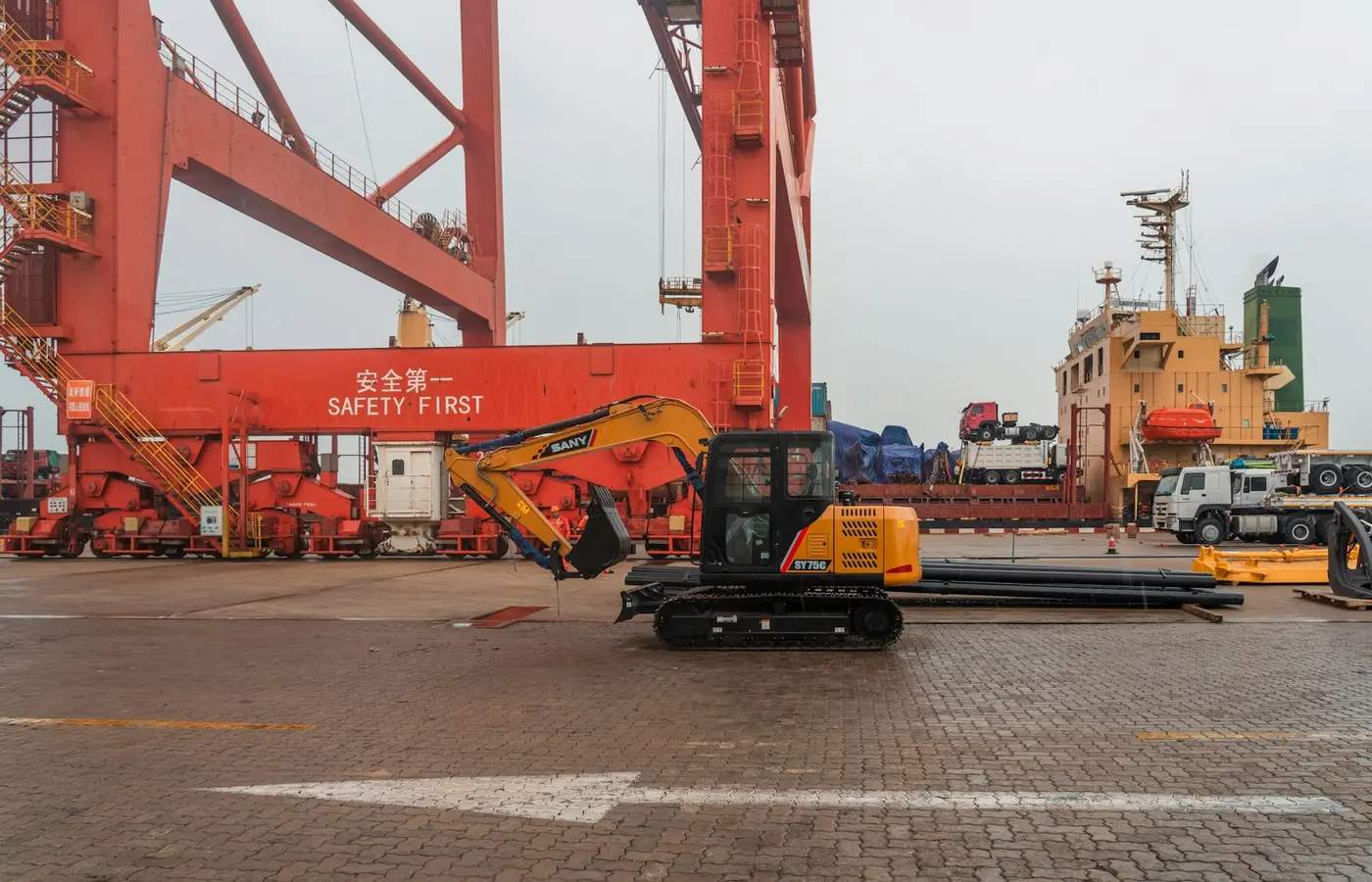
How China’s heavy-duty truck market varies by duty cycle, powertrain, operating environment and total cost for domestic and export buyers.
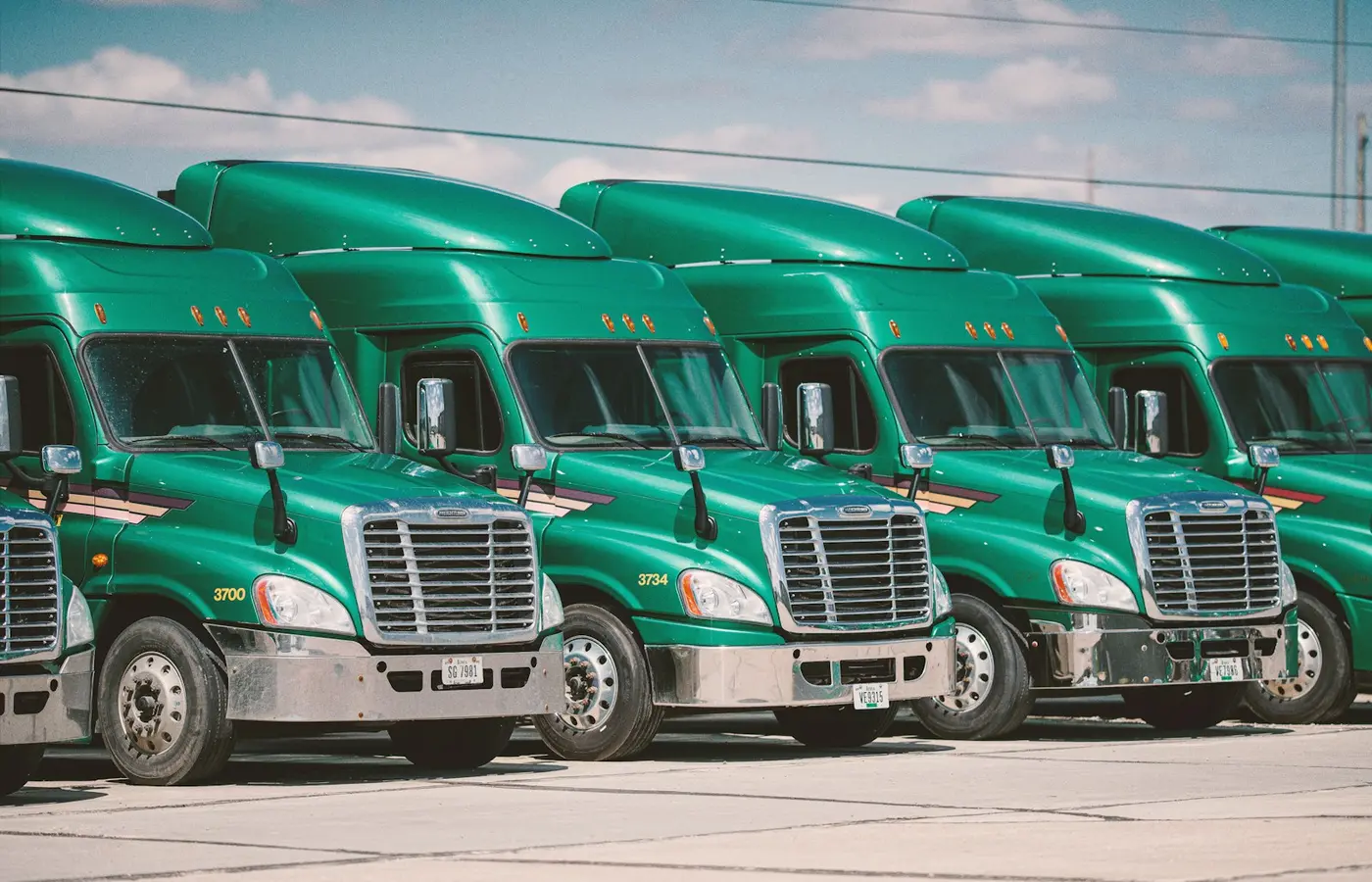
China electric truck sales can mean manufacturer deliveries, domestic registrations or exports. Here is how to read each measure correctly.
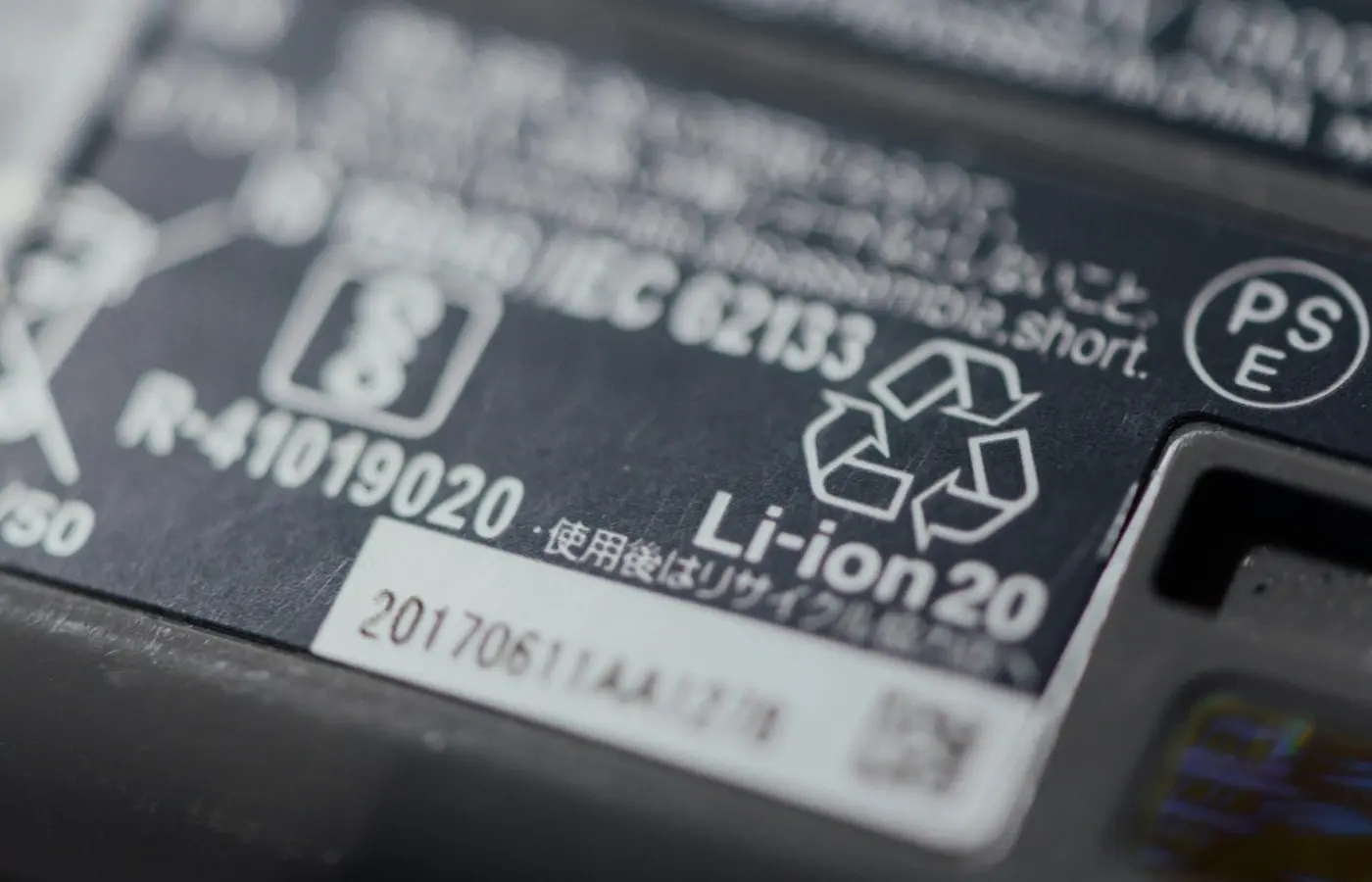
A practical guide to checking battery identity, production records, supplier disclosures and supply-chain traceability for Chinese EV imports.
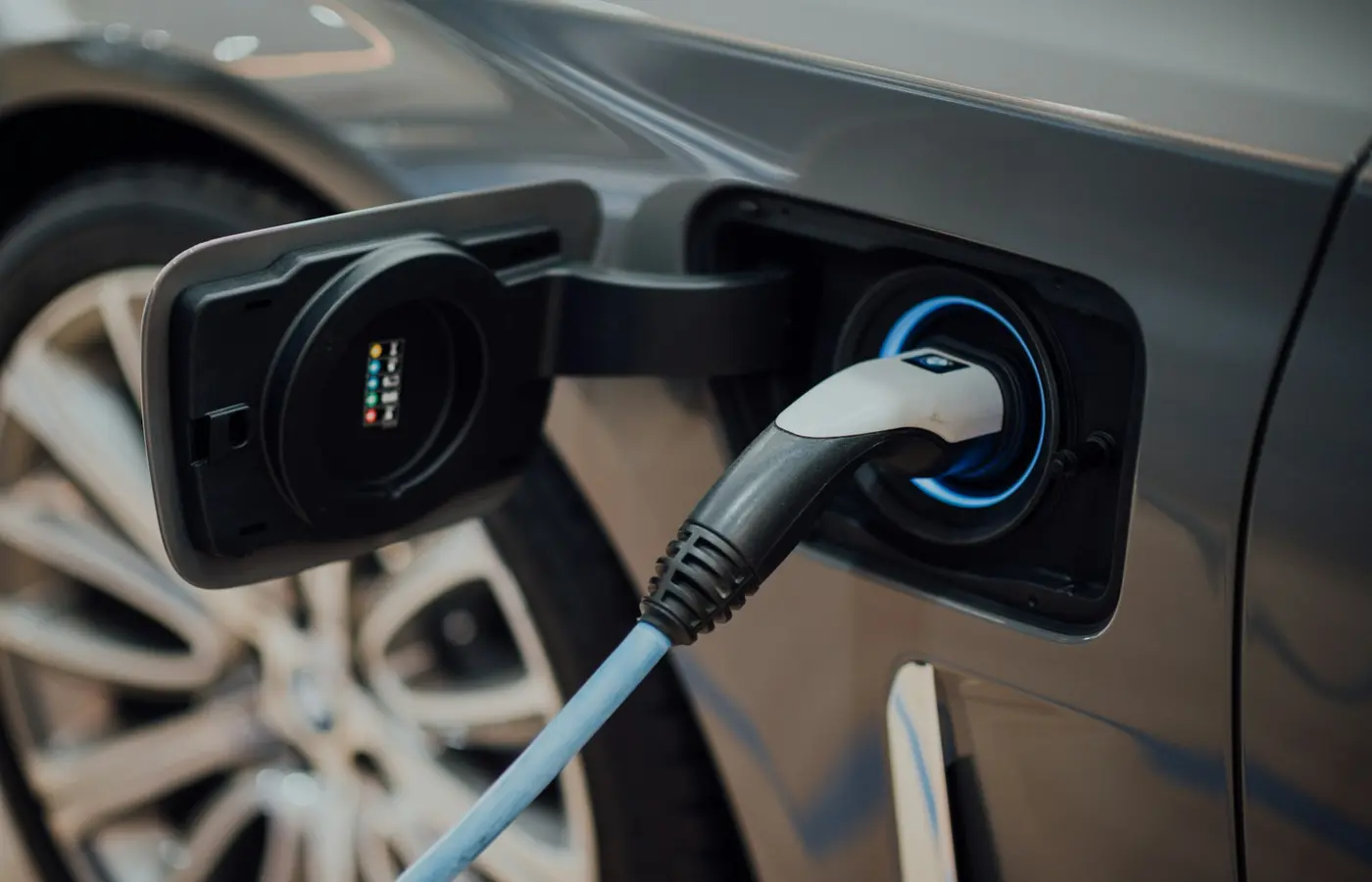
Where sodium-ion batteries may fit in Chinese vehicles, how they compare with LFP, and what buyers should verify before relying on a chemistry claim.
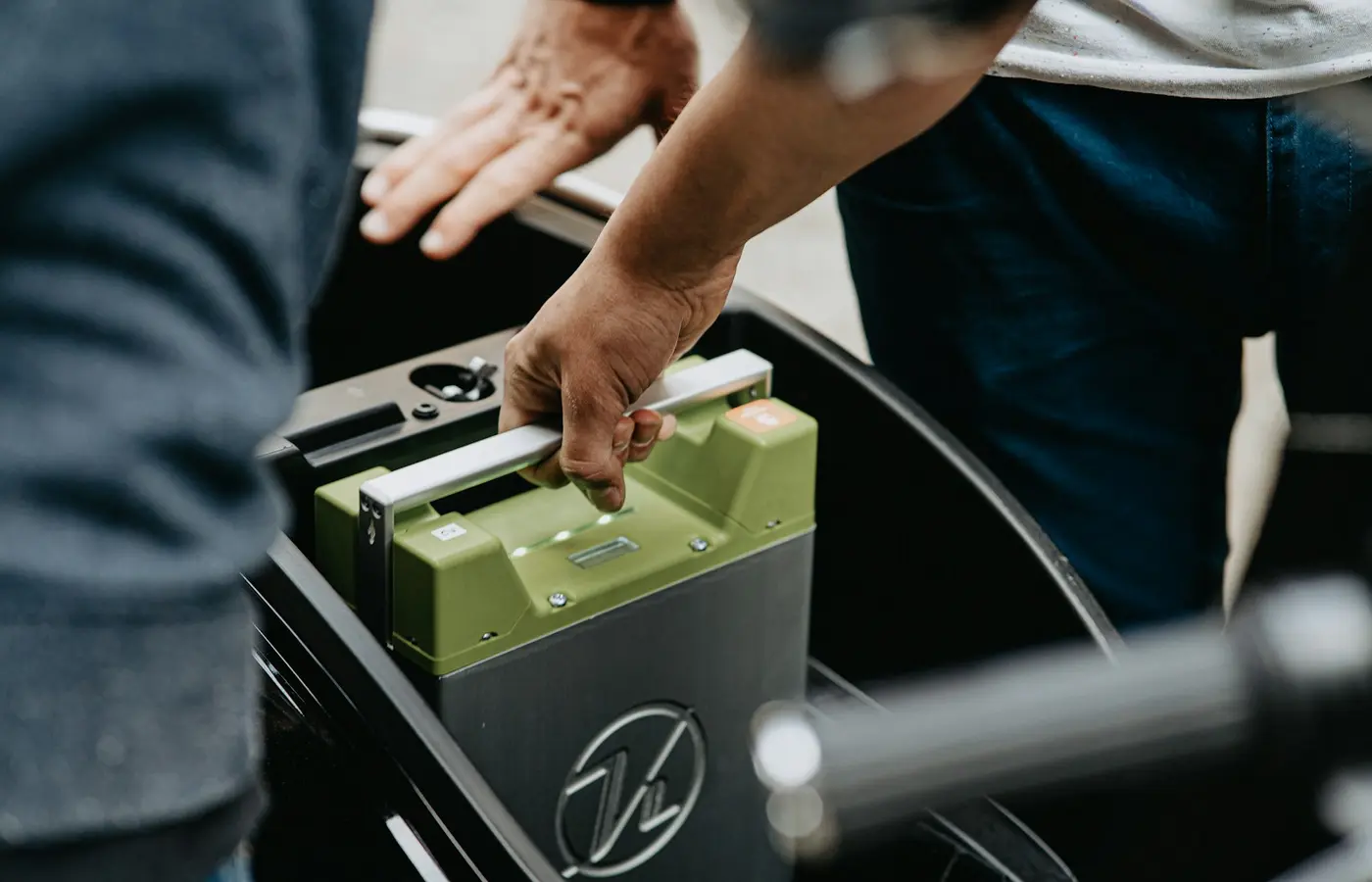
How export buyers can assess GB 38031-2025 battery-safety evidence, match it to delivered vehicles, and cover separate market-entry risks.

A practical guide to Chinese vehicle homologation documents, technical checks and approval-route planning before importing vehicles.
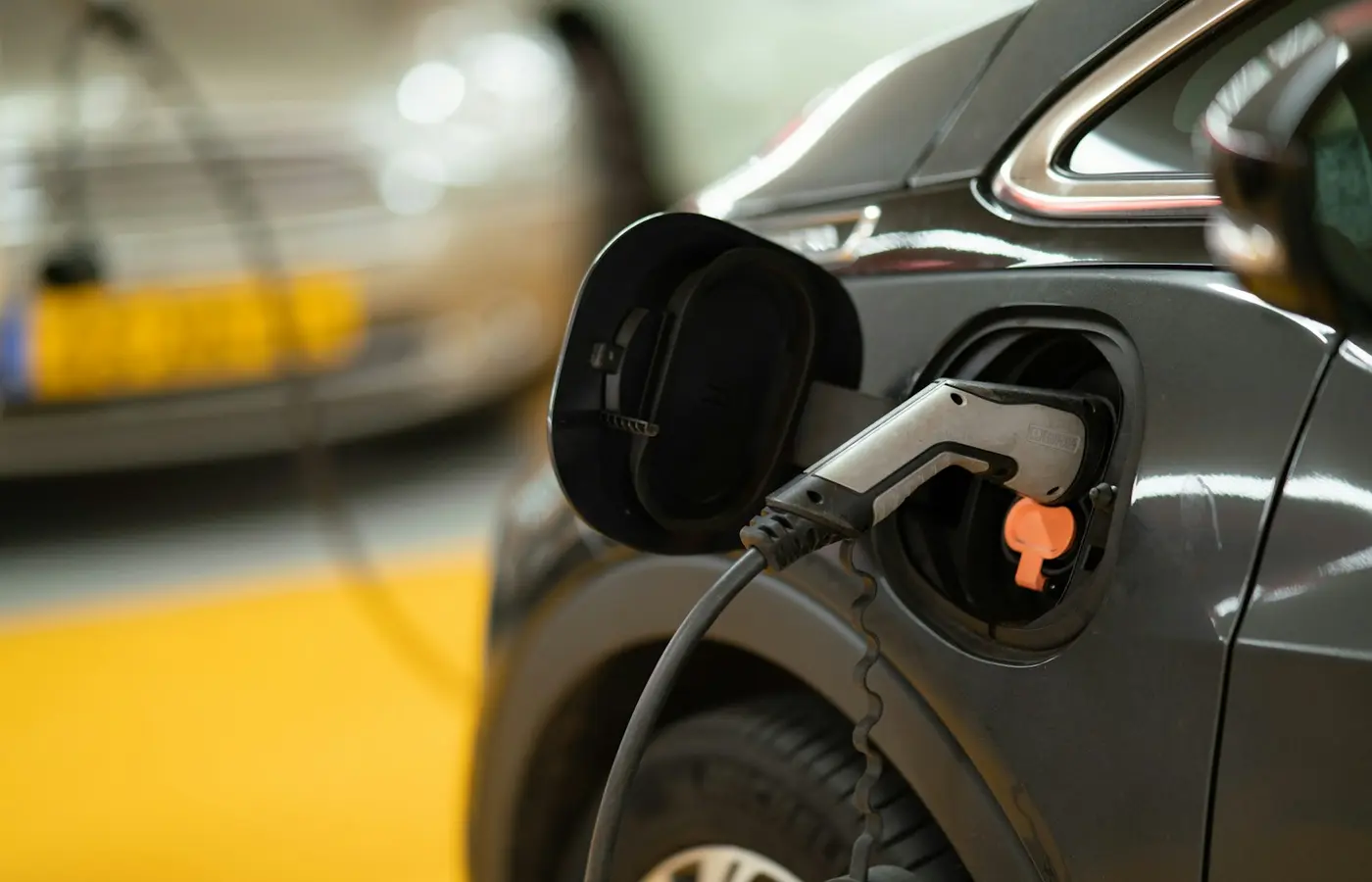
A practical due-diligence framework for checking parts, warranty, diagnostics, repairs and software support before importing a Chinese EV.
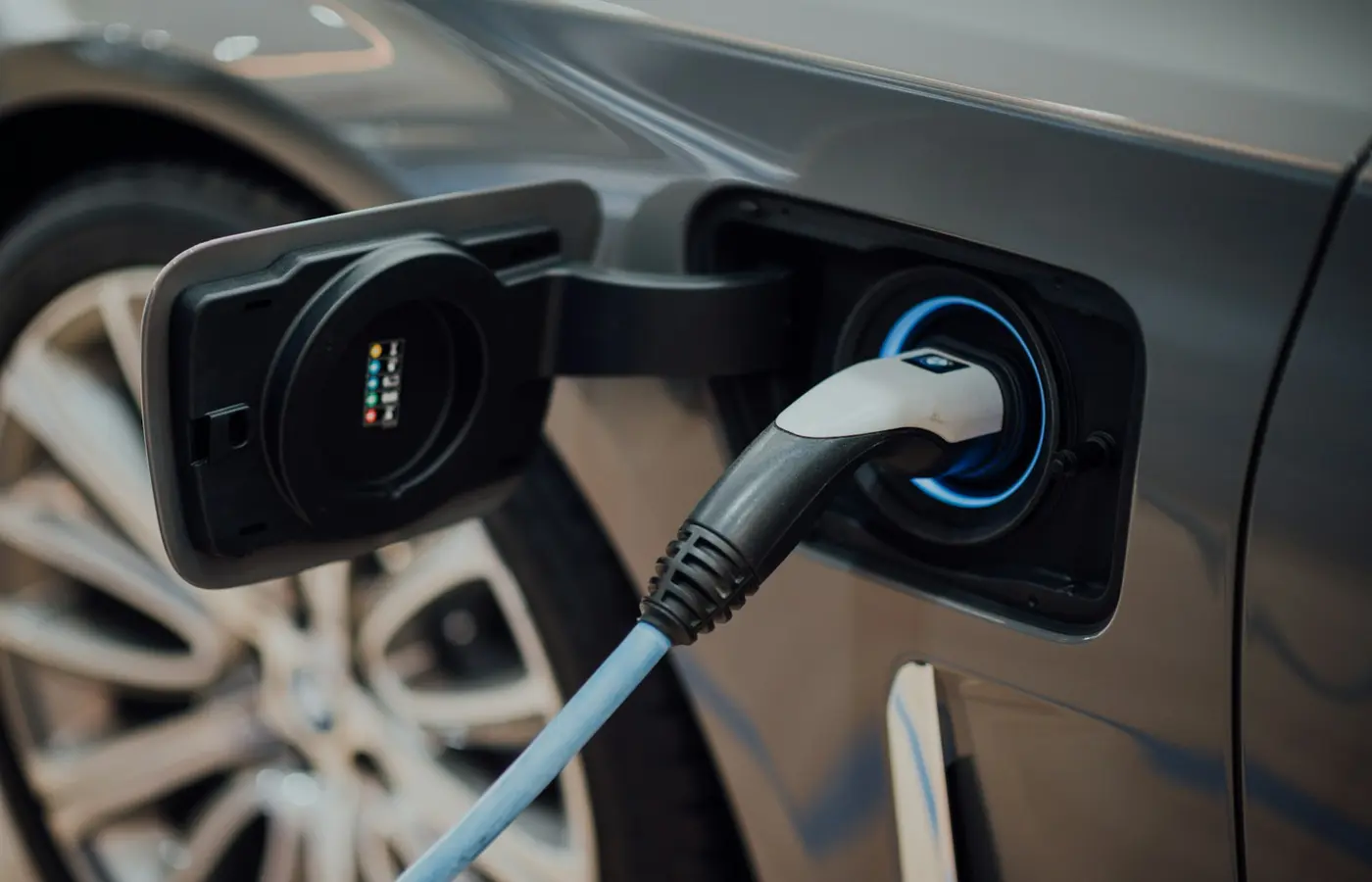
Understand the scope of GB/T 18487.1-2023, how it relates to connectors and communications, and what buyers should verify on Chinese EV chargers.
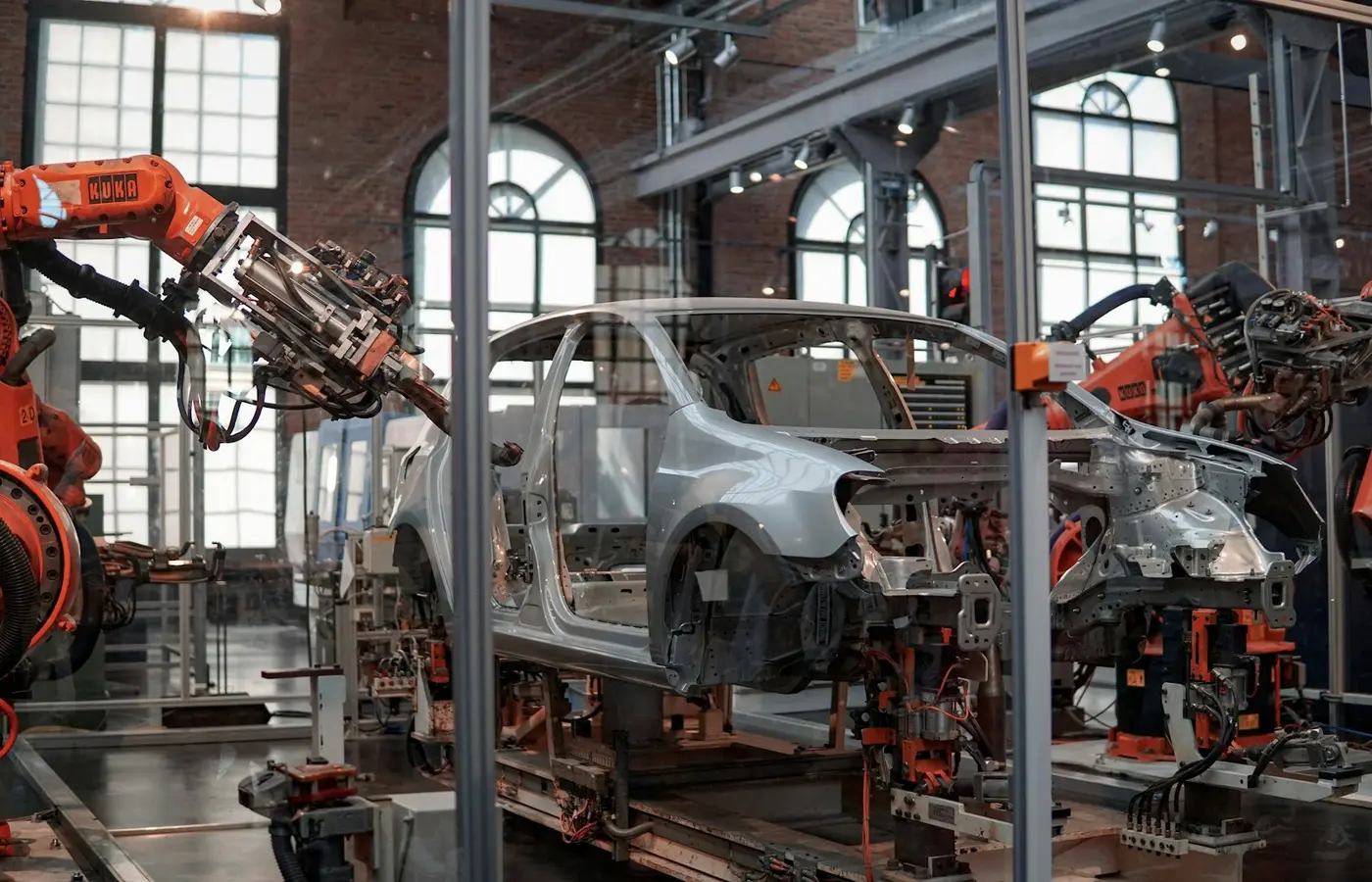
A practical, risk-based process for qualifying Chinese EV component suppliers before committing export-program volume.
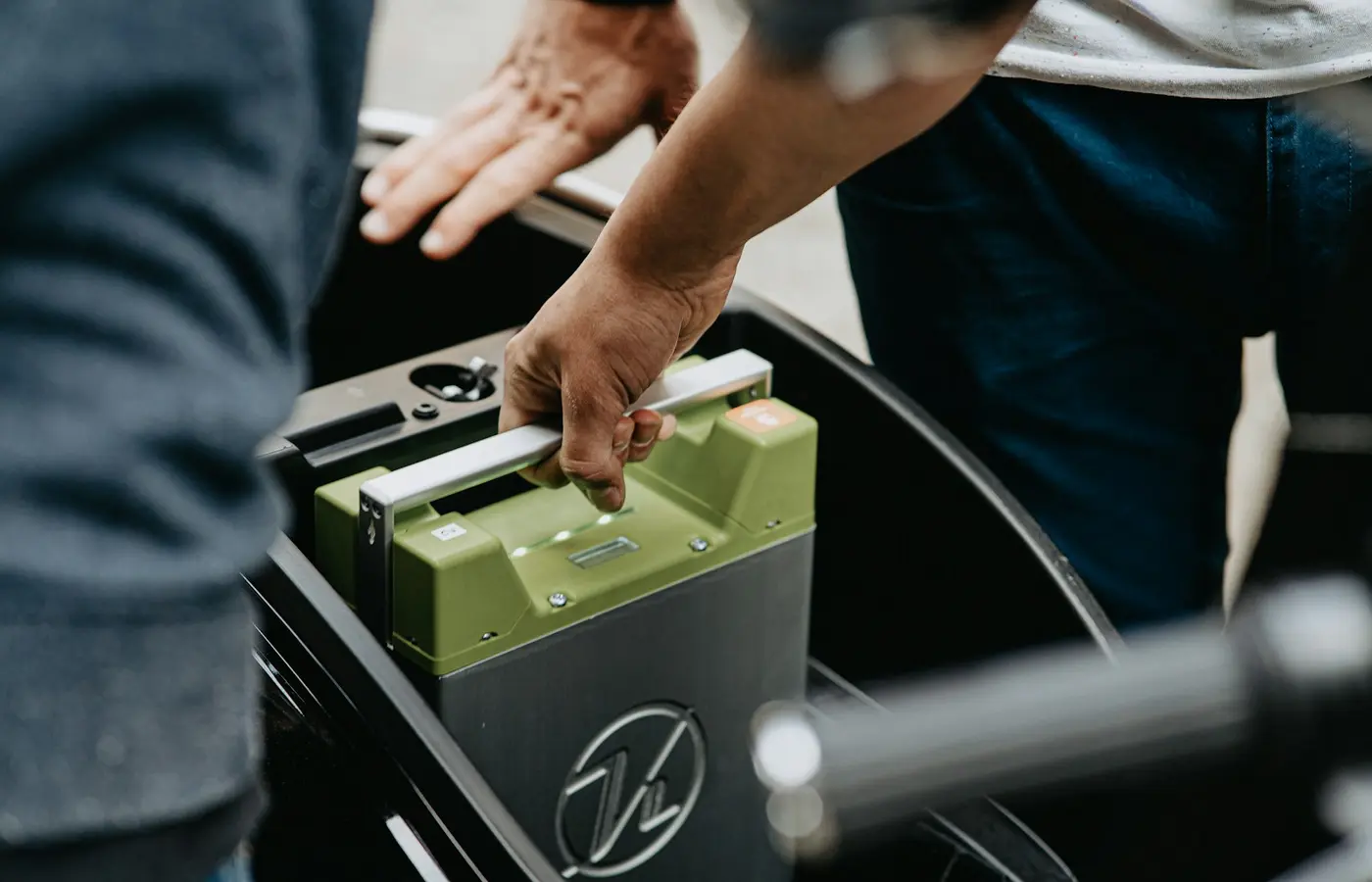
How China’s EV battery-swapping model works, why fleets are a key use case, and what limits wider adoption for passenger cars.
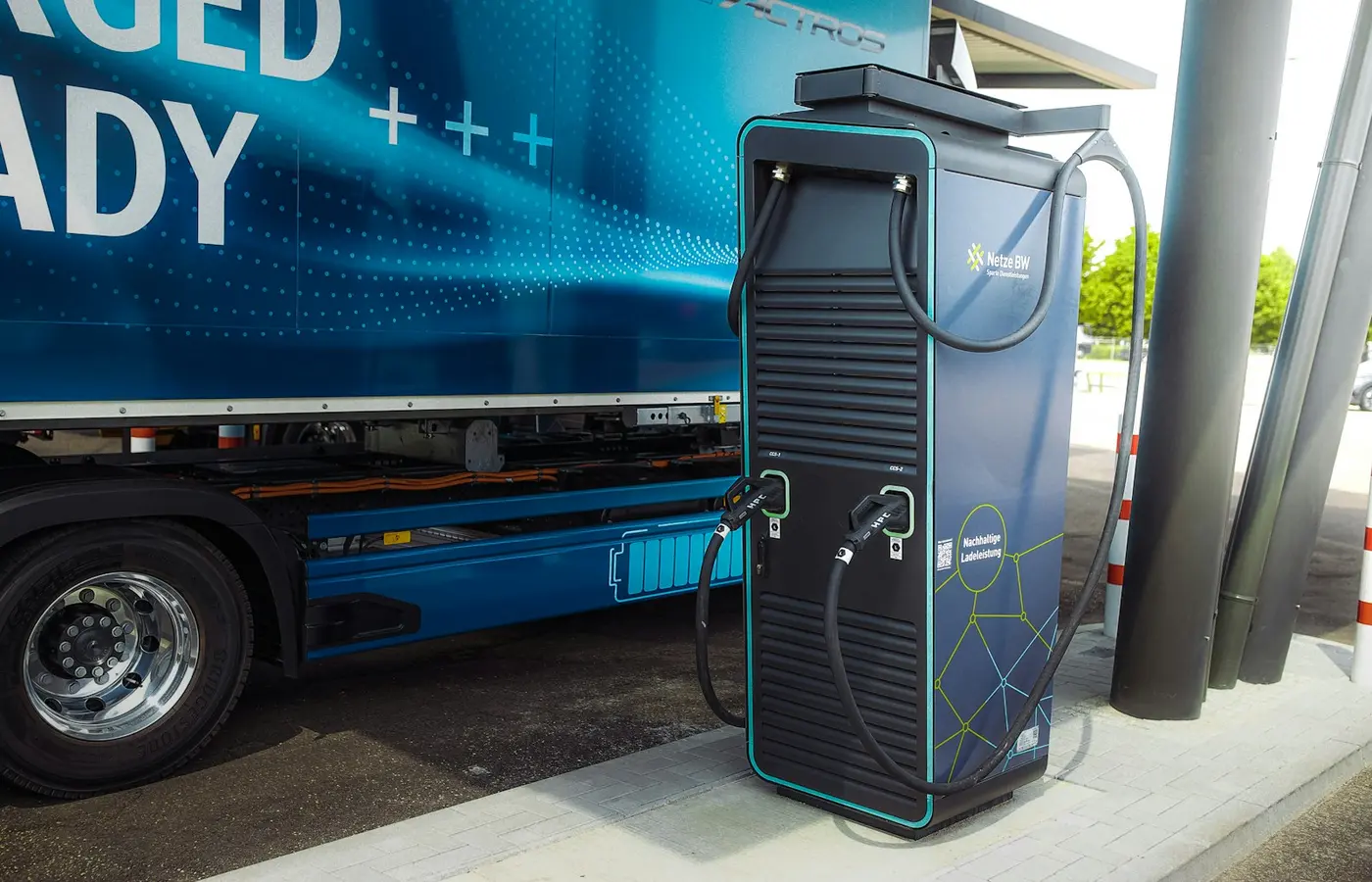
A procurement guide to leasing Chinese electric trucks, covering vehicle specification, charging, maintenance, contract costs and residual-value risk.

What NOA means in China, how highway and urban systems differ, and what buyers should check about limits, supervision and updates.

CLTC and WLTP EV range figures come from different laboratory procedures. Learn what they measure, why they differ, and how to compare them carefully.
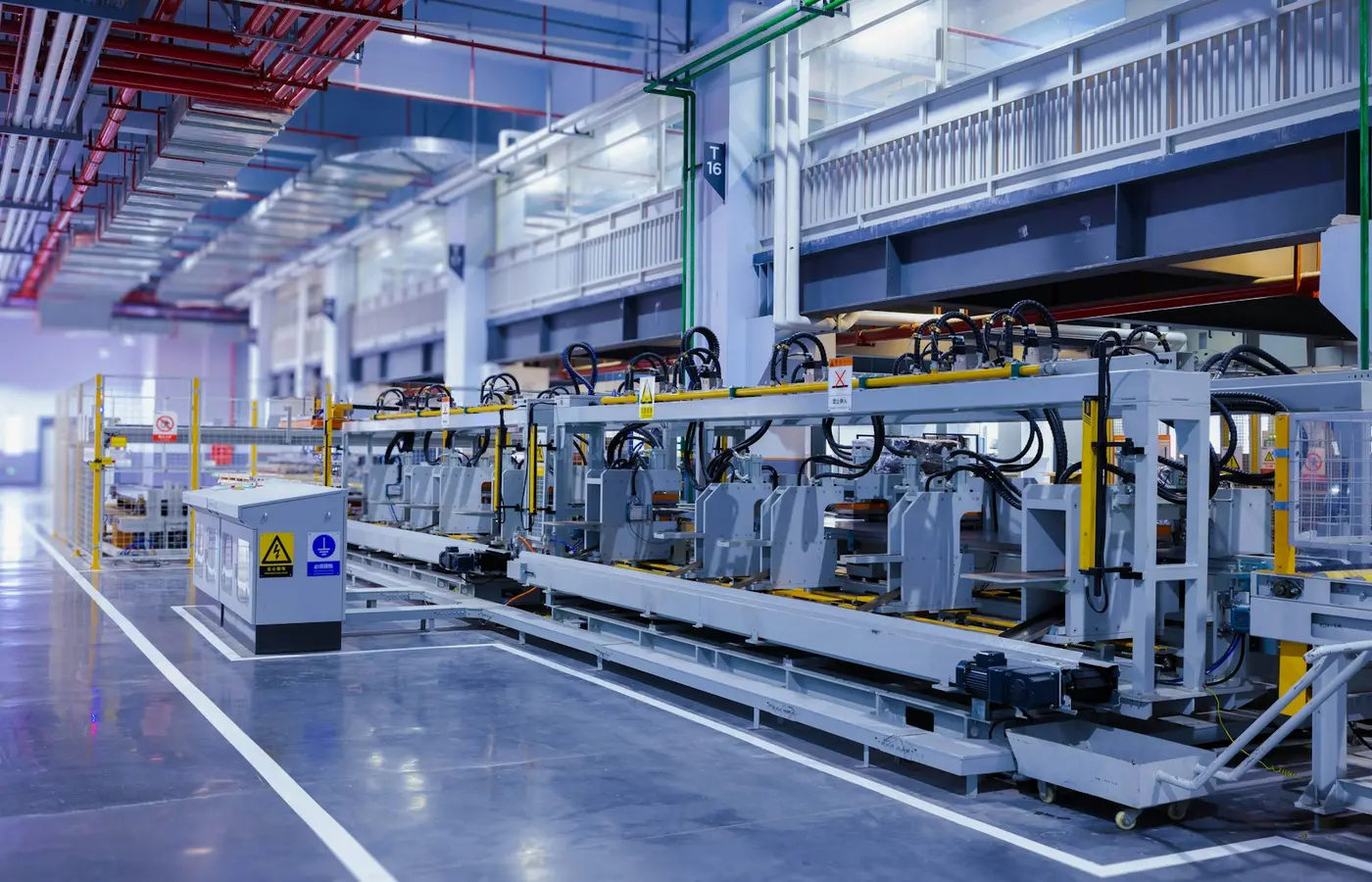
Chinese automakers use owned plants, joint ventures and contract assembly to localize overseas production, manage risk and improve market access.

Chinese vehicle export data can measure customs declarations, factory shipments, overseas sales, or registrations. Here is how to interpret each figure.
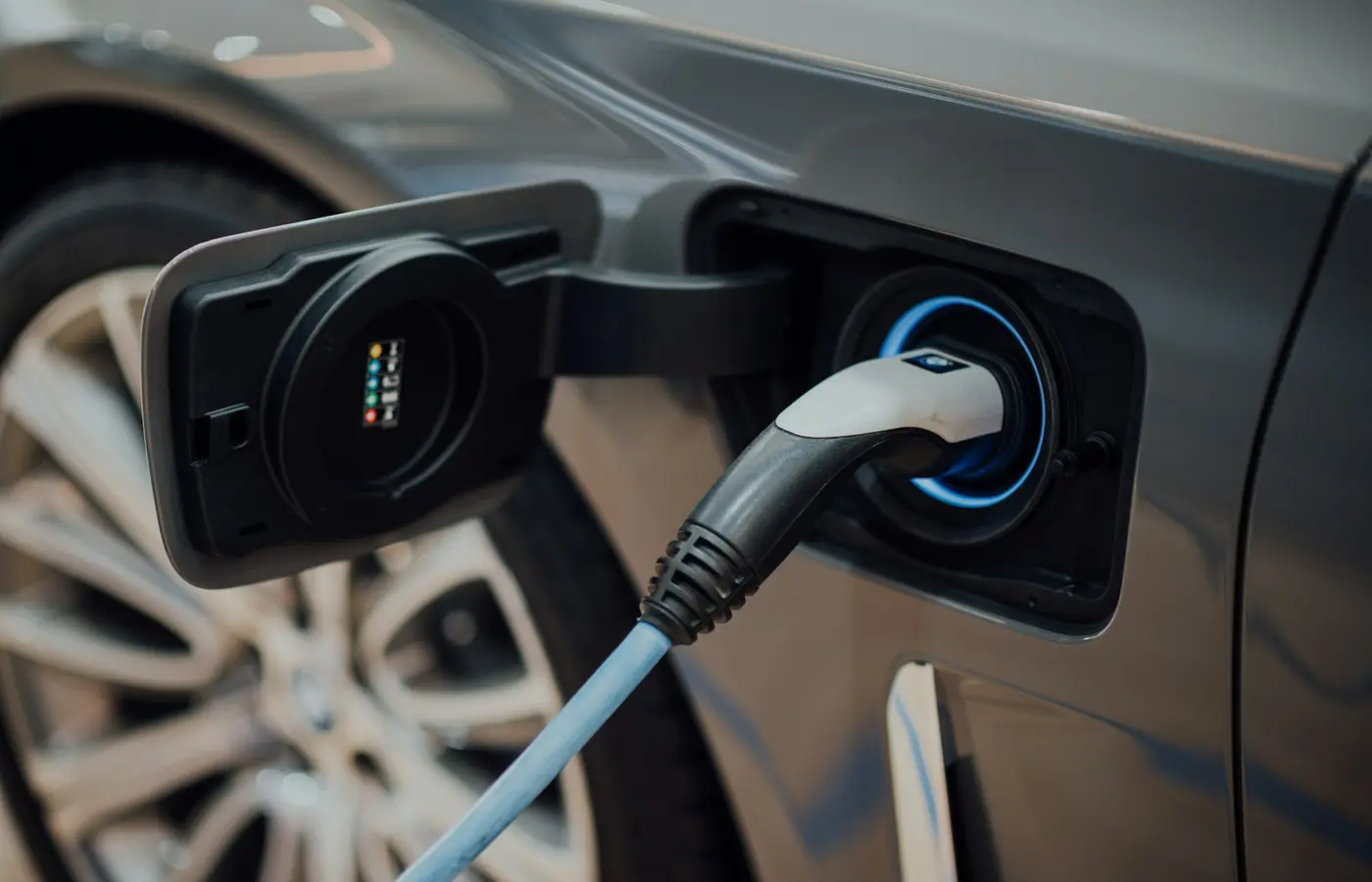
Chinese EV charging compatibility depends on the exact vehicle version, inlet, communication protocol and approved equipment—not simply its port or adapter.
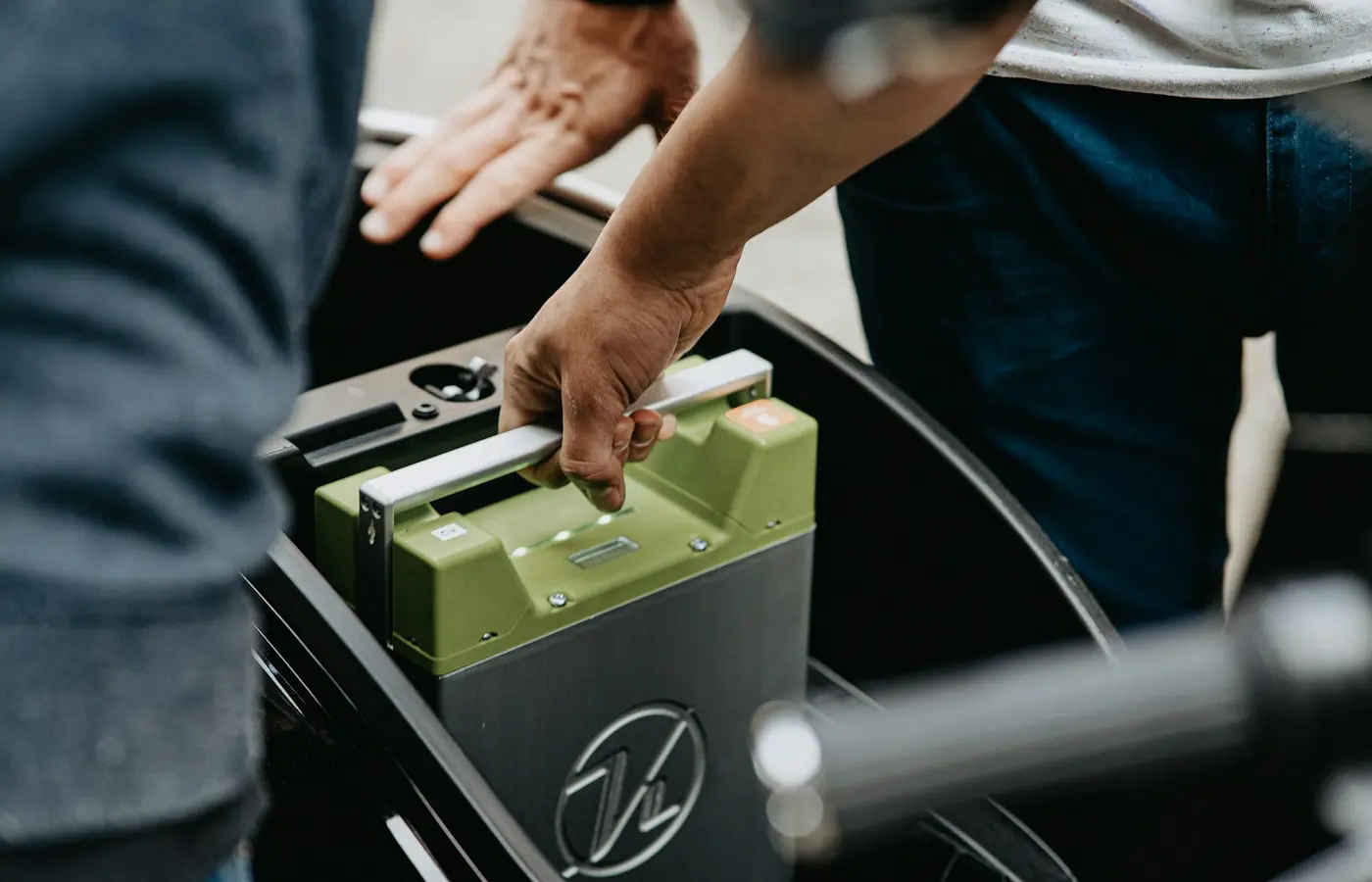
A practical guide to LFP, NMC and sodium-ion EV batteries in Chinese vehicles, including range, safety, cost, charging and fleet implications.
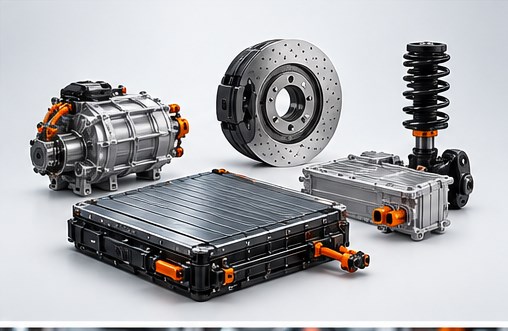
Chinese automakers are moving from 400V systems to higher-voltage platforms and extreme charging claims. Here is the engineering behind the numbers.
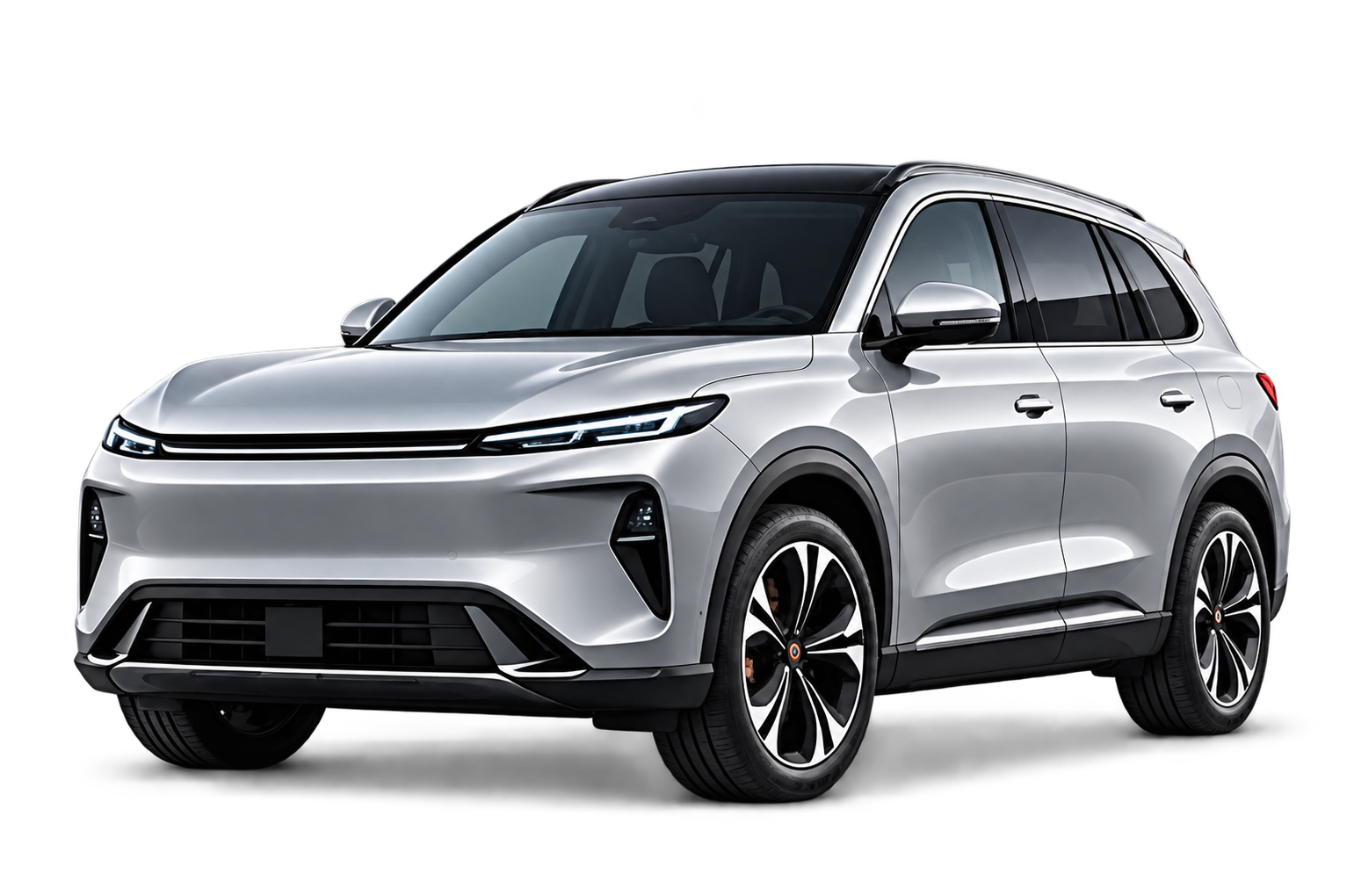
Battery swapping remains a niche globally, but China has created passenger-car and heavy-truck use cases where it can solve real operational problems.
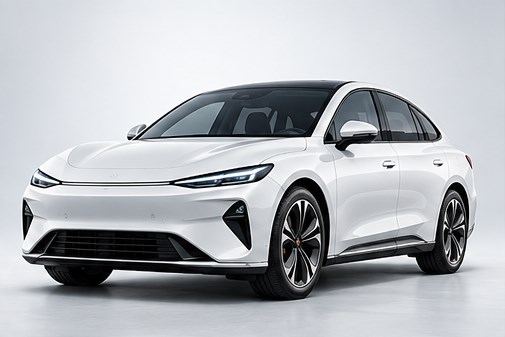
A practical guide to the four powertrain categories shaping China’s passenger-car market and why they serve different use cases.
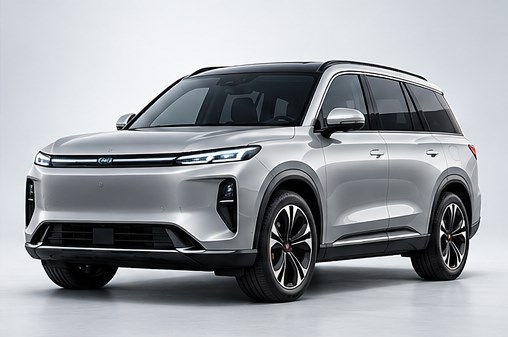
Advanced driver assistance is becoming standard equipment in China, but new mandatory rules are drawing a clearer line between assistance and automation.
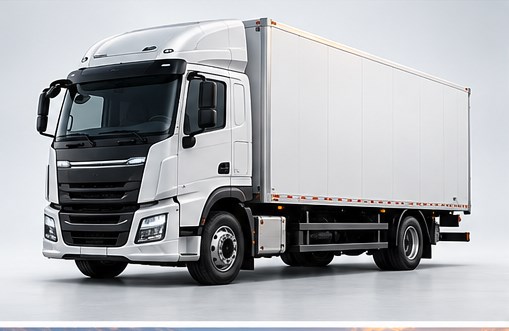
China sold more than 400,000 electric trucks in 2025. Short routes, battery swapping and industrial economics are making heavy-duty electrification practical.
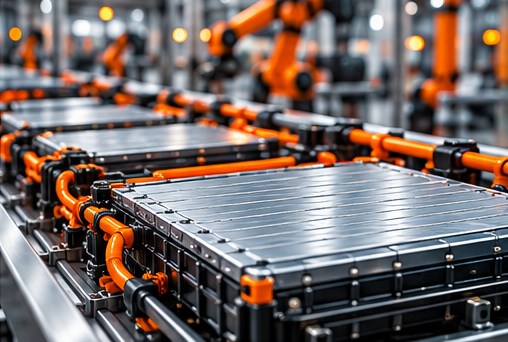
China’s updated mandatory traction-battery standard took effect in July 2026. Here are the tests and design implications that matter.
China has one of the world’s largest EV charging ecosystems, but connector standards and communication protocols matter when vehicles cross borders.
China has published a mandatory safety standard for Level 3 and Level 4 automated-driving systems. Here is what changes when the driver is no longer always responsible.

China’s car exports are rising quickly, but shipments, overseas sales and local production tell different stories. Here is how to read the numbers.
A neutral map of eight major Chinese automaker groups and the different technology, export and market strategies behind their brands.
Chinese-made cars have become a meaningful part of Europe’s EV market. Tariffs are changing how manufacturers enter the region, not ending the competition.
Extended-range EVs combine an electric driving experience with an onboard generator. China turned the architecture into a major family-SUV category.
A data-led explanation of how China built the world’s largest electric-vehicle market, production base and battery supply chain.
Buying directly from a Chinese vehicle supplier can save money, but homologation, software, parts and charging compatibility can erase the apparent advantage.
China’s EV advantage is built on an unusually dense chain of batteries, motors, electronics, software and vehicle assembly. Here is how the pieces fit together.
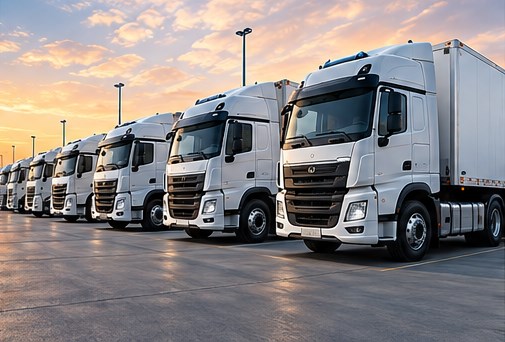
China has already reshaped the EV market. The next phase will be defined by industry consolidation, overseas manufacturing, battery innovation and stricter software regulation.
Large screens are only the visible part of China’s software-defined vehicle trend. Central computing, OTA updates, voice control and data services are changing the architecture underneath.
Cheap labor is not a sufficient explanation for Chinese EV pricing. Battery scale, supplier density, platform choices and intense competition matter more.
Europe gets the headlines, but Chinese automakers are also expanding rapidly across emerging markets where price, electrification and local production matter.
LFP now powers a large share of the global EV market. China’s supply chain explains why the chemistry became central to affordable electric cars.