
Technology
China EV Battery Traceability: What Overseas Buyers Can Verify
A practical guide to checking battery identity, production records, supplier disclosures and supply-chain traceability for Chinese EV imports.
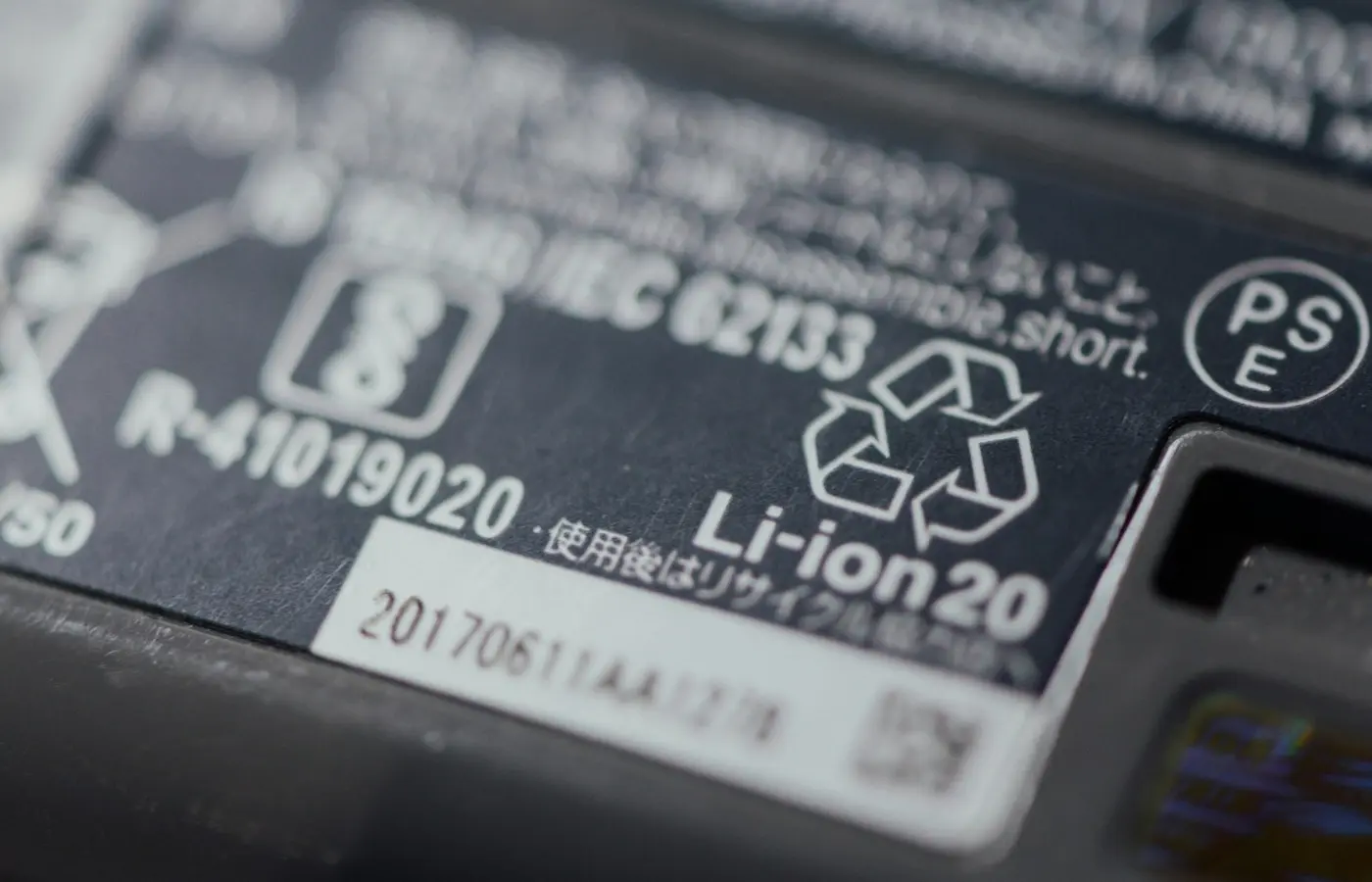
A battery traceability claim is only useful to an overseas buyer if it can be connected to the vehicles or battery packs actually delivered. A supplier may show a sustainability policy, a digital platform or a QR code on a pack, but those items do not by themselves prove the origin of every material in that battery.
For importers, fleet operators and vehicle distributors buying Chinese EVs, the practical question is narrower: can the supplier provide records that identify the installed battery, link it to production and quality records, support warranty or incident response, and explain how far upstream its supply-chain information reaches?
The answer will differ by vehicle programme, battery supplier, chemistry, destination market and contract. Buyers should therefore treat traceability as an evidence exercise, not as a marketing feature.
What battery traceability means for an overseas EV buyer
In its most practical form, battery traceability is the ability to follow a physical battery through identifiable stages of its life. For a delivered EV, that normally begins with the vehicle identification number (VIN) or chassis number and continues through the battery-pack serial number, pack assembly information, and—where records are available—module and cell production batches.
The further upstream a buyer asks to go, the more complex the evidence becomes. A pack assembler may be able to identify its cell supplier and the relevant cell batch. The cell producer may in turn hold records relating to cathode, anode, electrolyte and other material inputs. Connecting those inputs reliably to a specific mine or refining facility requires a different level of supply-chain participation, custody controls and verification.
That distinction matters because several terms are often used interchangeably when they should not be:
- Product identification means a pack can be identified by a serial number, label or code.
- Production traceability links that pack to manufacturing dates, lines, component lots, test results and quality records.
- Chain of custody records which organisations held or controlled a product or material as it moved through the supply chain.
- Material-origin evidence aims to establish where minerals or processed materials came from.
- Lifecycle records may include installation, warranty, repair, repurposing, recycling or disposal information.
The SAE J3327 battery traceability record information report provides useful context for this distinction. It describes traceability in terms of product origin, geographic path, custody and physical transformation, while recognising that mineral-information verification and extended producer responsibility involve further work. It is not a China-specific legal requirement, but it illustrates why a serial number alone is not a complete traceability system.
For Chinese EV imports, the first objective should be much simpler: establish a reliable record from the imported vehicle to its installed battery pack and its relevant production documentation.
The evidence buyers should request before placing an order
A buyer should request evidence before finalising technical specifications and should make delivery of that evidence a contractual requirement. A general corporate presentation is not an adequate substitute for records linked to the actual product programme.
A useful request package has five parts.
1. Battery identity and configuration
Ask the vehicle manufacturer or battery supplier for a written declaration covering:
- battery-cell manufacturer;
- pack assembler, if different from the cell manufacturer;
- cell chemistry, such as lithium iron phosphate or a nickel-containing chemistry;
- nominal pack energy capacity and voltage;
- module configuration where relevant;
- declared manufacturing location for cells and packs, if the supplier is prepared to disclose it;
- pack serial-number format and label location; and
- the method used to link the pack serial number to a vehicle VIN or chassis number.
This information should match the vehicle technical schedule, homologation materials where applicable, and delivered-product labels. If the supplier will not identify the cell manufacturer, the buyer should record that limitation rather than infer the answer from marketing material or photographs.
2. Production and quality records
For fleet purchases, large distribution orders or higher-risk operating conditions, request a sample traceability record with commercially sensitive fields redacted. The sample should demonstrate the structure of the records that will be available after delivery.
Useful fields include pack serial number, manufacturing date, production site, final test status, module or cell-batch references, quality-release status and any applicable change-control reference. Buyers do not necessarily need access to all proprietary process data, but they do need enough information to establish whether a replacement pack, warranty claim or safety notice concerns their vehicles.
3. Safety, transport and service documentation
The technical document package should also cover the target market rather than China alone. Request the applicable test reports, transport documents, warranty terms, emergency-response information, service procedures and recall or quality-notification process.
The important question is not whether a supplier can provide a document with a battery-related title. It is whether the document applies to the specified battery configuration and the destination market. A report issued for one pack capacity, one vehicle variant or one market may not cover another.
4. Supply-chain and materials declarations
If the procurement policy requires sustainability, responsible-sourcing or mineral-origin information, request a separate declaration that states exactly what is being disclosed. It should identify whether information reaches the pack, module, cell, cathode, anode, precursor, refining or mining stage.
The declaration should also explain the evidence basis. For example, it may rely on direct supplier records, declarations from lower-tier suppliers, mass-balance accounting, a chain-of-custody method, or an external assurance process. These approaches are not equivalent and should not be presented as equivalent in supplier scorecards.
5. End-of-life and recycling arrangements
Ask who is responsible for collection, assessment, repurposing or recycling at end of life in the buyer’s market. China-based battery lifecycle arrangements may be relevant to the original production chain, but they do not automatically create a collection or recycling solution in an export destination.
The contract should identify the responsible party, the operating territory, available contacts, data handover requirements and any cost allocation. This is particularly important for fleet operators that expect to retain vehicles for many years.
How to test whether a traceability claim is specific and usable
A traceability system should be tested by reconciliation, not by presentation quality. A buyer can conduct a basic document-to-product check without seeking unrestricted access to confidential manufacturing systems.
Start with a controlled sample before production or shipment. Ask the supplier to provide a redacted record showing the intended chain from a vehicle identifier to a pack identifier and, where available, module or cell-batch information. Then compare that sample against the data fields promised in the supply contract.
At delivery, reconcile four records:
- the purchase order and approved vehicle specification;
- the shipping list or packing list;
- VIN or chassis-number records; and
- battery-pack serial-number records.
Any mismatch should be resolved before vehicles are accepted into service. This process may sound administrative, but it becomes critical if a batch-related quality issue emerges later. A fleet operator needs to identify affected assets quickly, while an importer needs records that support communication with workshops, insurers, regulators and customers.
Buyers should also ask how long records will be retained and in what format they can be supplied. A supplier portal can be useful, but it introduces its own risks: accounts may expire, systems may change, and a distributor may not retain access after a commercial relationship ends. Contractual access to an exportable data file is often more durable than reliance on a dashboard alone.
Questions that reveal weak evidence
The following questions are useful during supplier due diligence:
- Is this document linked to our purchase order, VIN range or pack serial-number list?
- Can the supplier provide the same record after the warranty period begins?
- What happens if the cell supplier, pack design or material source changes?
- Does the supplier notify the buyer before or after an approved production change?
- Can a recall or technical campaign be targeted by VIN and pack serial number?
- Are lower-tier material claims supported by direct records, supplier declarations or another method?
- Which parts of the record are unavailable because of confidentiality or missing supplier data?
A credible supplier may be unable to disclose every upstream commercial detail. That is not automatically a failure. The concern is a supplier that makes broad mine-to-pack claims while declining to define the data source, coverage, exclusions or verification method.
Where visibility usually weakens: cells, materials and mineral origin
Traceability commonly becomes less certain below the cell-maker tier. Vehicle manufacturers and pack assemblers generally have the strongest visibility into the products they assemble, ship and warrant. They may have less direct control over the chain below cell production, particularly where materials move through multiple processors and traders.
A pack serial number can support identification of a particular pack. It cannot, on its own, prove where the lithium, nickel, cobalt, graphite or other materials originated. Nor does a QR code independently validate the underlying information. Digital records are only as reliable as the supplier participation, custody model, data governance and assurance behind them.
Buyers should separate three questions:
| Buyer question | Strongest practical evidence | Common limitation |
|---|---|---|
| Which battery is installed in this vehicle? | VIN-to-pack serial-number mapping and pack labels | Records may not be supplied automatically at delivery |
| Which cells or batches were used? | Pack, module and cell-batch production records | Access may be limited by supplier confidentiality |
| Where did raw materials originate? | Defined chain-of-custody or origin methodology with supporting supplier evidence | Multi-tier data gaps and indirect declarations are common |
Material-origin claims should therefore be assessed according to their stated methodology. A declaration based on a supplier questionnaire is different from independently assured chain-of-custody evidence. Mass-balance approaches can also be useful for certain compliance or accounting purposes, but they do not necessarily identify the physical origin of material in one specific battery.
For many buyers, the realistic initial goal is not perfect mine-level visibility. It is a documented and improving process: clear pack and cell identification, disclosure of known supply-chain boundaries, change notification, and a route to investigate issues when they arise.
China-specific systems versus export-market requirements
China has developed power-battery lifecycle and recycling-related arrangements over time, and Chinese vehicle and battery suppliers may operate internal coding, production-record and after-sales systems. However, an overseas buyer should not assume that a Chinese record automatically meets the requirements of the destination market.
Export obligations can concern product safety, transport, warranty support, waste-battery handling, carbon-footprint declarations, due diligence, digital battery records or language requirements. The applicable rules depend on the importing jurisdiction, battery category, vehicle type and date of placing the product on the market.
The same is true of battery-passport discussions. A battery passport may be a future or current compliance concept in a particular jurisdiction, but it is not a universal certificate that proves all supply-chain claims. Before relying on any supplier portal, QR code or data template, ask the supplier to confirm in writing:
- which requirement the document is intended to support;
- which jurisdiction and product category it covers;
- the version date and language of the record;
- whether it applies to the buyer’s exact battery configuration; and
- whether the buyer can receive the data in a usable format.
Regulatory requirements are subject to change. Importers should validate current obligations with the relevant official authority, legal adviser or compliance specialist rather than treating a China-side traceability record as a complete export-market compliance package.
A practical due-diligence workflow for importers and fleet buyers
Traceability is most effective when it is built into procurement, delivery acceptance and post-sale operations.
Stage 1: Screen the supplier
Define the evidence needed for the destination market and intended use. A municipal fleet, a passenger-car distributor and an industrial vehicle importer may require different levels of detail. Request a sample traceability record, warranty process, change-control procedure and end-of-life statement before selecting a supplier.
Stage 2: Put records into the contract
Include a technical annex that specifies the required fields, delivery timing, record format, retention period and notification obligations. Define what counts as a material change, including changes to cell supplier, chemistry, pack design, production location or declared sourcing methodology.
Where commercially justified, include rights to review relevant records or commission an independent inspection. The scope should be realistic and respect legitimate confidentiality constraints, but it should not leave the buyer unable to investigate a safety, quality or compliance issue.
Stage 3: Reconcile records at shipment and receiving
Match approved vehicle configurations to shipping documents, VINs and battery-pack serial numbers. Keep exceptions in a controlled log. If serial-number mapping is not available at shipment, agree a firm timetable for delivery and prevent the gap from becoming permanent.
Stage 4: Retain data for operations and end of life
Store the VIN-to-pack mapping, warranty registration, service history, incident contacts and any supplier updates in a system controlled by the buyer or its appointed operator. Keep a copy of critical records outside any supplier portal.
For fleets, this data can support maintenance planning, resale disclosures, warranty recovery and battery handling after an accident. For importers, it can support targeted customer communication if a supplier later identifies an affected production population.
What overseas buyers should take away
China EV battery traceability should be judged by the quality of the records a supplier can produce for a specific order, not by the breadth of its public claims. The most valuable starting point is a dependable chain from VIN to pack serial number, backed by production, quality and warranty records.
Cell-level and material-origin information can add important value, especially where procurement policies or destination-market rules require it. But those claims need a defined evidence method, stated coverage limits and clear responsibility for missing data. A code on a battery pack is an identifier; it is not, by itself, proof of a fully verified supply chain.
FAQ
Can a battery serial number prove where its raw materials came from?
No. A serial number can identify a battery pack and may link it to production records. Proving material origin requires additional evidence from upstream suppliers, along with a defined chain-of-custody, mass-balance or other traceability methodology. The strength of the conclusion depends on the underlying records and assurance process.
Should an overseas buyer ask for cell-level traceability or pack-level traceability?
Pack-level traceability is the essential minimum because it supports warranty, service, incident response and vehicle-level identification. Cell-level or module-level information is valuable for higher-volume fleets, higher-risk applications and buyers with detailed compliance requirements. The appropriate level depends on the buyer’s operating needs and contractual leverage.
Does compliance with a Chinese battery traceability system prove compliance in the EU or another export market?
No. Chinese production or lifecycle records may provide useful source data, but destination-market requirements can differ in scope, format, language, assurance and legal responsibility. Buyers should confirm which requirement each supplier document supports and validate current local obligations separately.
What traceability records should be included in an EV supply contract?
At minimum, specify VIN-to-pack serial-number mapping, pack configuration, battery manufacturer and assembler declarations, production and quality-release records, warranty procedures, change-notification obligations, recall contacts, data-retention periods and end-of-life responsibilities. If material-origin or sustainability claims are required, define the required methodology, coverage, evidence standard and permitted exclusions.