Technology
China Range-Extended EVs: How the Powertrain Works and What Buyers Should Check
How China range extender EVs use electric drive, batteries and onboard generators—and how buyers should compare range, charging and export specifications.
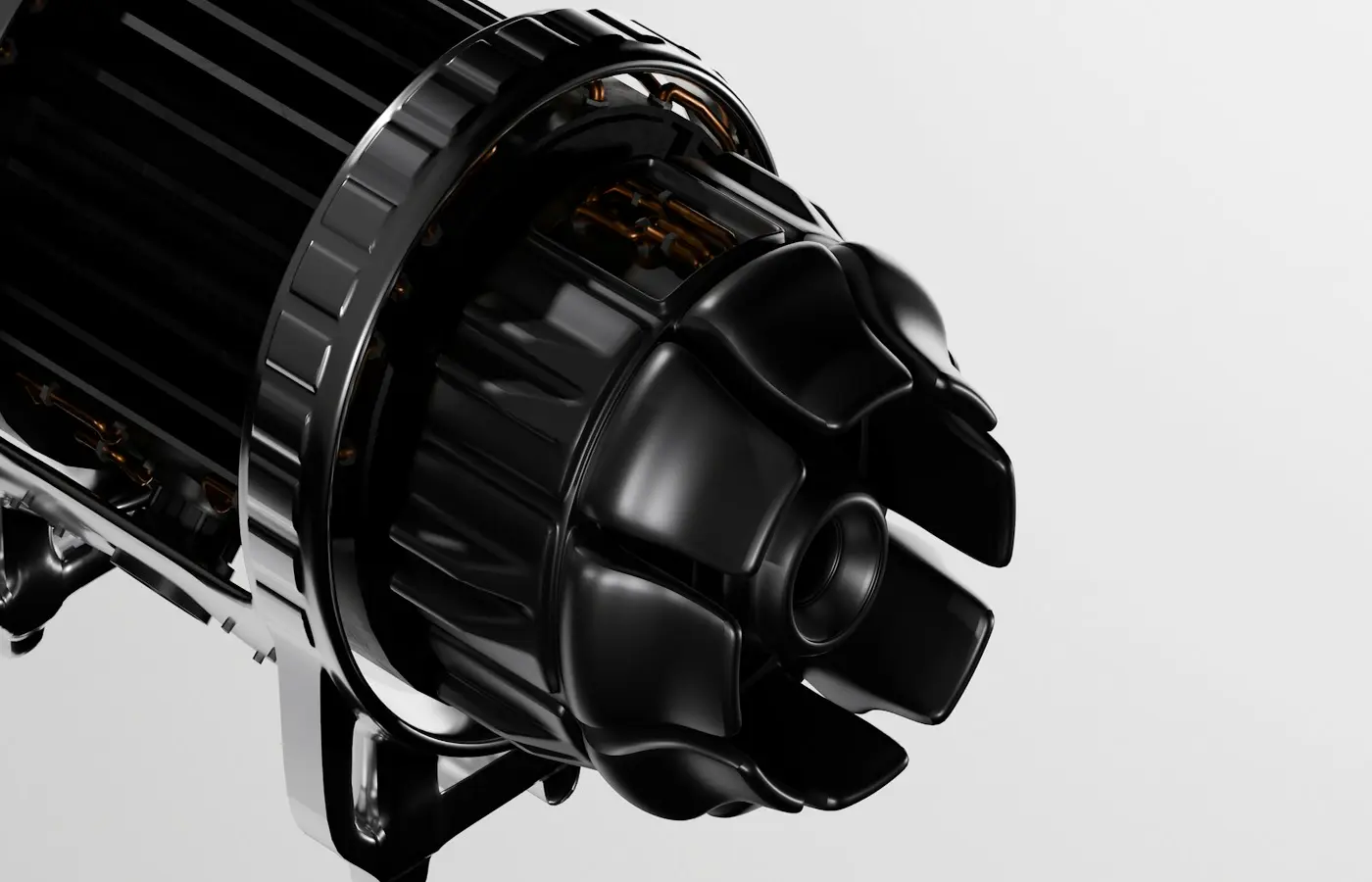
China range extender EVs can look similar to plug-in hybrids on a specification sheet: both have a battery, electric motors, a fuel tank and a combustion engine. The important question is not whether an engine is present, but what it does.
In a typical range-extended electric vehicle (EREV, also called REEV), the electric traction motors propel the wheels. The petrol engine mainly operates as part of an onboard electricity-generation system, supporting the battery or supplying electrical energy when the battery state of charge is low. That makes an EREV fundamentally closer to a battery-electric vehicle with a fuel-powered backup energy source than to a conventional hybrid.
That distinction matters for buyers evaluating China range extender EVs for private use, fleets or export. It affects the vehicle’s energy flow, the meaning of its range claims, the relevance of charging access and the technical documents that should be checked before purchase.
What is a China range-extended EV?
An EREV combines four main elements:
- one or more electric traction motors that drive the wheels;
- a traction battery that stores energy for electric driving;
- a combustion engine, usually petrol-powered; and
- a generator and control system that convert fuel into electricity when required.
In battery-electric operation, energy moves from the battery to the inverter and traction motor, then to the wheels. When battery charge is depleted or the vehicle’s energy-management system requests support, the engine starts and drives a generator. That generator supplies electrical energy to the vehicle system and, depending on the operating strategy, may help maintain battery charge.
The German Association of the Automotive Industry’s range-extender overview describes this basic principle as an electric drivetrain supported by an engine-driven generator. It is a useful starting point, but buyers should not assume that every vehicle marketed with range-extender language has the same mechanical layout.
The architecture is especially relevant in China because EREVs have become a meaningful alternative for buyers who want electric driving in daily use but remain concerned about charging coverage on longer routes. For export buyers, the same proposition may or may not translate well: its value depends heavily on home charging, public-charging access, local fuel prices, servicing capability and destination-market regulations.
How the powertrain works: battery, motors, generator and control system
An EREV is not simply an EV with a small engine added. Its components need to work as a managed electrical system.
Battery-electric driving
With sufficient battery charge and moderate power demand, the vehicle can operate much like a BEV. The traction battery provides direct electrical energy to the drive system, and the engine may remain off.
This is the mode that makes daily charging important. If a buyer regularly charges at home, at a depot or at work, a substantial share of local driving may be completed using grid electricity. If the vehicle is rarely plugged in, it can still travel using the generator-supported system, but it will not deliver the same operating pattern as an EV charged routinely from the grid.
Generator-supported driving
When the system determines that battery charge needs support, the engine starts and turns a generator. The generator produces electricity; the control system decides how that energy is distributed between the traction system and battery support.
This is not identical to an engine directly driving the wheels through a conventional gearbox. In a pure series EREV, the principal mechanical path is engine to generator, followed by electricity to motor. The traction motor remains responsible for wheel propulsion.
Supplier material from GETEC, for example, identifies the engine, generator and vehicle control unit as core elements of a range-extender system. The vehicle control unit matters because it balances competing priorities: battery state of charge, requested acceleration, generator output, fuel use, emissions management and drivability.
Regenerative braking
Like a BEV or many hybrids, an EREV can recover some kinetic energy during deceleration. The traction motor operates as a generator during suitable braking events and sends energy back to the battery.
Regeneration does not eliminate charging needs or fuel consumption. Its contribution depends on road conditions, speed, driving style, battery temperature and how much regenerative braking the vehicle permits at that moment. It tends to be more useful in stop-start or descending-road conditions than during steady motorway travel.
Why operation changes from one journey to another
A range extender does not follow one fixed pattern. The engine may remain off for a period, start to protect a battery reserve, run at a selected efficiency point, or operate more frequently under sustained high-load conditions. The exact strategy is controlled by software and can differ by model, drive mode, ambient temperature, battery temperature and state of charge.
For that reason, a brochure’s named modes—such as EV priority, hybrid, charge-sustain or charge-support—should not be treated as universal technical definitions. Buyers should obtain the owner documentation for the exact vehicle and market specification, then check what each mode actually permits the system to do.
EREV versus PHEV: the technical difference buyers must verify
A plug-in hybrid electric vehicle (PHEV) also has a battery, electric motors and an engine, but its drivetrain may be configured differently. Many PHEVs can use both engine and electric motor torque to propel the wheels, often through a dedicated hybrid transmission, clutch system or other mechanical coupling arrangement.
The architecture-level distinction is straightforward:
| Question | Typical series EREV | Typical PHEV |
|---|---|---|
| What normally drives the wheels? | Electric traction motor(s) | Electric motor(s), engine, or both depending on mode |
| What is the engine’s main role? | Generating electricity | Generating power and often driving wheels directly |
| Is an engine-to-wheel mechanical path expected? | Not in a pure series design | Common in many designs |
| Which specification is especially important? | Generator output, battery capacity and motor power | Hybrid transmission layout, engine output and electric-drive capability |
The word “typical” is essential. Labels are not enough to establish the architecture. Some electrified vehicles use mixed or more complex systems that can operate in series under some conditions and allow a mechanical engine-to-wheel path under others.
Before comparing an EREV with a PHEV, request one of the following for the exact variant:
- an official drivetrain diagram;
- the owner’s manual section explaining energy flow and drive modes;
- a homologation or technical specification document; or
- written manufacturer or distributor confirmation of whether the engine can mechanically drive the wheels.
China Vehicles’ guide to Chinese EREVs versus PHEVs makes the same practical point: wheel propulsion is the question that determines the basic category, not the marketing label on the tailgate.
Which operating modes matter in daily and long-distance use?
A buyer should focus less on the number of mode names and more on the behaviours those modes enable.
EV-priority operation
Ask whether the vehicle can prioritise battery-electric operation while sufficient charge is available. This is particularly relevant for drivers with predictable daily mileage and dependable overnight charging.
Also ask whether the system keeps a battery reserve automatically. A reserve may support performance, battery protection or later all-electric operation, but it can mean the usable energy available to the driver differs from the headline battery capacity.
Charge-hold and charge-support functions
Some vehicles offer a setting intended to retain battery charge for later use. Others may use the engine-generator set to raise or sustain charge during a trip.
These functions can be useful, but they should not be confused with efficient public charging. Generating electricity from fuel involves conversion losses, and the result depends on the vehicle’s calibration and driving conditions. A buyer should regard engine-generated electricity as a flexibility feature, not as a replacement for regular plug-in charging where charging is available.
Sustained-speed and high-load behaviour
For long-distance use, ask for the stated continuous or relevant system-power information, not just peak motor output. A large peak torque number does not by itself explain how the vehicle will behave after the battery reaches its managed lower state of charge during extended high-speed, heavily loaded or mountainous driving.
Useful questions include:
- What is the generator’s rated output?
- What battery state of charge does the system aim to maintain once the engine starts?
- Are there limitations on towing, maximum load or prolonged climbing in generator-supported operation?
- Does the manual identify changes in available drive modes when battery charge is low?
If independent road-test evidence is used, it should identify the exact vehicle version, battery state of charge, route, weather and driving conditions. Results from another market or trim should not be assumed to apply directly.
Cold-weather operation
Low temperatures can affect battery performance, charging speed and cabin-heating demand. The engine may also run more often when the vehicle needs heat or battery conditioning. Buyers in cold climates should seek market-specific documentation on heat-pump equipment, battery preconditioning, charging behaviour and warranty conditions rather than extrapolating from warm-weather range figures.
How to compare range, charging and fuel use correctly
The simplest way to avoid misleading comparisons is to keep electric range, total range and test cycle separate.
Compare electric range first
Electric-only range indicates how far the vehicle is rated to travel using battery energy before generator support is needed under the stated test procedure. This figure is most relevant to routine charging and local-use planning.
Do not treat combined range as electric range. A combined claim assumes a specified starting fuel level and battery state of charge, and includes energy from both the battery and fuel tank.
A current ROX English brochure illustrates the difference in reporting: it lists WLTC pure-electric range and WLTC extended range separately, alongside battery capacity, fuel-tank capacity and AC charging time. That format is more useful than a single headline range number because it reveals which energy sources are included. It should not, however, be used to infer real-world range for other models or conditions.
Keep the test cycle visible
Chinese-market vehicles may quote CLTC figures. Export-market brochures may instead use WLTC or WLTP, depending on the destination and approval process. These procedures have different operating profiles and should not be treated as interchangeable.
The practical rule is simple: compare like with like.
- Compare CLTC electric range with CLTC electric range.
- Compare WLTC with WLTC where possible.
- Compare WLTP with WLTP where possible.
- Do not convert one test-cycle result into a claimed real-world figure without transparent, vehicle-specific evidence.
If two manufacturers use different cycles, keep both figures as stated and treat the comparison as incomplete until equivalent information is available.
Check charging hardware, not only charge time
A stated charging time is meaningful only with its conditions. Buyers should verify:
- AC onboard-charger power;
- whether DC charging is fitted, optional or unavailable;
- maximum accepted DC power where applicable;
- connector type for the target market;
- supplied charging cable and portable charging equipment;
- charging time from which starting state of charge to which end state; and
- whether the relevant charger power is available at the intended location.
An export brochure may show a connector configuration that differs from the domestic Chinese version. For example, the ROX brochure cited above specifies a Type 2 European-standard AC port for the documented version; that does not establish the connector or charging equipment supplied with every market variant.
Treat fuel-use claims carefully
Fuel consumption can vary sharply depending on whether the trip begins with a full battery, the selected energy mode, speed, load, temperature and charging frequency. A low official fuel-use figure may describe a test beginning with substantial battery energy. For fleet planning, request both the official consumption information and a realistic duty-cycle assessment based on the operator’s expected charging pattern.
Buyer checklist for Chinese EREV specifications and export use
Before ordering, importing or deploying a China range extender EV, obtain written documentation for the exact model year, trim and destination market.
Powertrain and energy system
- Does the engine ever mechanically drive the wheels?
- Is the system series-only, parallel, series-parallel or otherwise mixed?
- What are the traction-motor outputs and the range extender’s stated generator or engine specifications?
- What is the gross battery capacity, and is usable capacity disclosed?
- What battery chemistry is fitted to the exact version?
- What are the fuel-tank capacity and stated fuel requirement?
Range and charging
- Which cycle produced the quoted electric-only and combined range figures?
- Are those figures for the exact wheel size, seating configuration and market variant?
- What AC and DC charging capability is included?
- Which inlet and communication standards are fitted?
- Is charging infrastructure at the buyer’s home, depot or operating area compatible?
Compliance and support
- Is the vehicle approved for registration in the destination market?
- Does its emissions equipment and certification match local requirements?
- What safety, software, connectivity and language features are available in that market?
- Does the warranty apply to exported vehicles, and who authorises warranty repairs?
- Are diagnostic tools, spare parts, battery service procedures and trained technicians available locally?
- Who provides software updates, roadside assistance and high-voltage repair support?
The final point is often more important than a headline range number. An EREV contains both high-voltage EV components and a combustion-engine generator system. A buyer needs a service plan capable of supporting both.
FAQ
Is a range-extended EV the same as a plug-in hybrid?
No. Both can be plugged in and both use a battery, electric motors and fuel, but the architecture can differ substantially. A pure series EREV uses electric motors to drive the wheels, while many PHEVs can also use the engine to drive the wheels through a mechanical drivetrain. Verify the exact model rather than relying on the badge or category name.
Can the petrol engine in an EREV drive the wheels directly?
In a pure series EREV, it does not; it drives a generator that produces electricity for the electric drive system. However, not every vehicle presented as range-extended uses an identical architecture. Obtain an official drivetrain diagram or written confirmation for the exact version being considered.
Do China range extender EVs need to be plugged in?
They can continue travelling without plugging in because the onboard generator can supply electrical energy using fuel. But regular plug-in charging is still important if the buyer wants to use the vehicle primarily as an electric vehicle and maximise its electric-only operation.
How should buyers compare CLTC, WLTC and WLTP range figures?
Do not compare them as if they are the same measurement. Keep the published cycle beside every range figure, compare vehicles tested under the same cycle where possible, and avoid presenting an unverified conversion as real-world range. For cross-market purchases, request the approved range and charging documentation for the destination-market version.