
Guides
Offline Procurement of Chinese Electric Passenger Tricycles: Factory and Product Checks
A practical factory-visit checklist for buyers sourcing Chinese electric passenger tricycles, from route requirements to configuration control and service support.
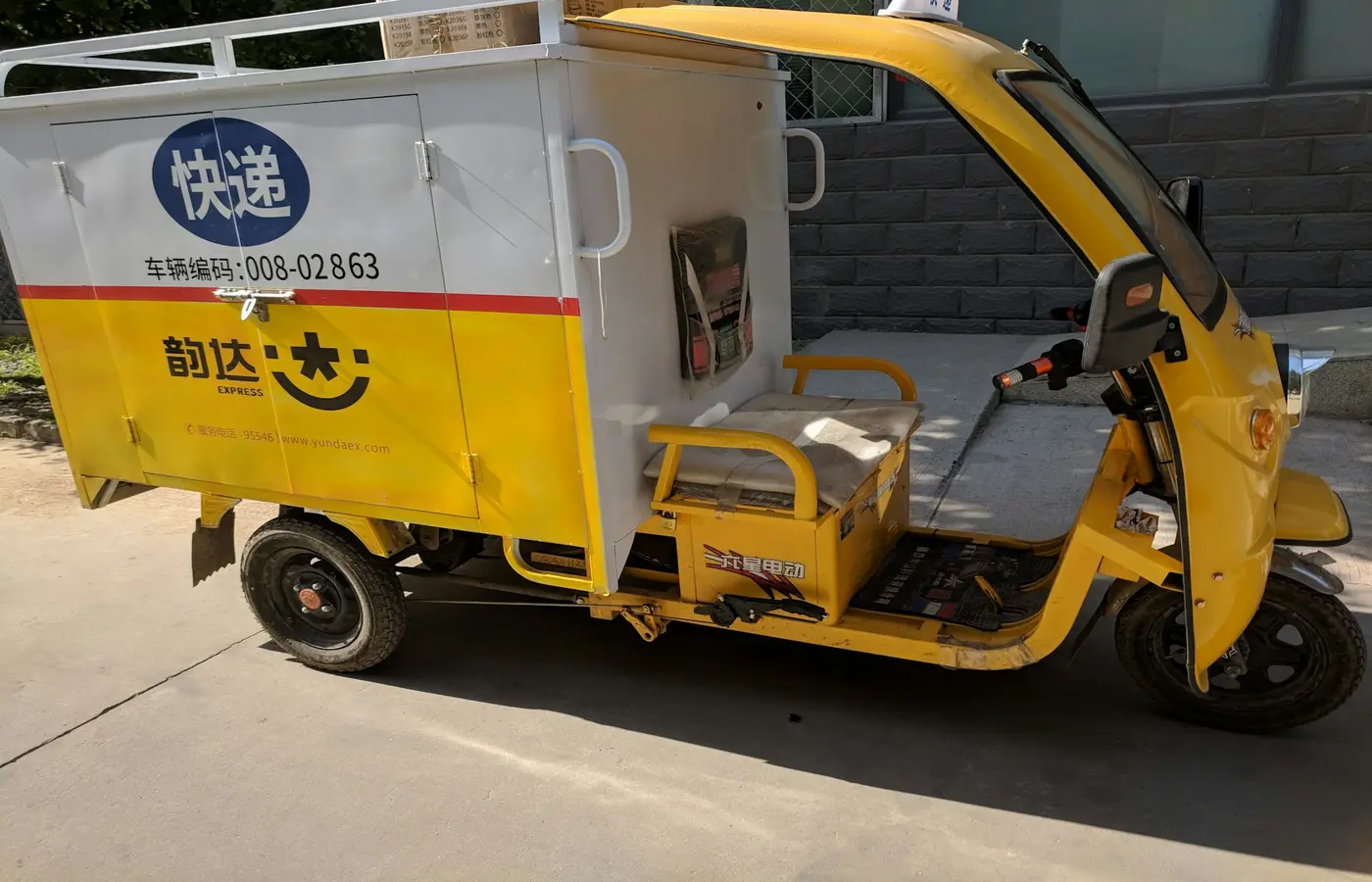
Buying a Chinese electric passenger tricycle offline should begin with a simple question: can this exact vehicle carry passengers reliably on the intended route, and can the supplier support it after delivery?
That is more demanding than checking whether a low-speed electric vehicle has an attractive catalogue price or a large quoted battery. Passenger service adds practical requirements around boarding, seating, weather exposure, braking, visibility, route gradients, stop-start operation and downtime. A showroom vehicle, a quotation and the export batch can also differ in meaningful ways unless the buyer controls the specification carefully.
An in-person factory visit is useful, but it is not proof on its own that a supplier has strong manufacturing capability, consistent quality or reliable export support. It should be one part of a wider verification process built around documented specifications, controlled samples, inspection records and destination-market requirements.
Start With a Passenger-Service Brief, Not a Catalogue Model
Before visiting suppliers, prepare a written operating brief. Without one, each factory may recommend a different configuration and comparisons will quickly become unreliable.
For passenger electric tricycles, the brief should cover:
- Number of passengers, including whether the vehicle will carry children, elderly passengers or luggage.
- Required seat layout, access side, step height and boarding frequency.
- Route distance per shift and expected daily operating hours.
- Road surface, gradients, drainage conditions and typical traffic environment.
- Stop frequency, including whether the vehicle will repeatedly accelerate from low speed.
- Climate exposure, such as rain, heat, humidity, dust or cold-weather charging conditions.
- Intended operating speed and whether the vehicle will operate on public roads, private sites, resorts, campuses or industrial facilities.
- Required local maintenance capability, including whether technicians can diagnose electrical faults.
- Destination country and the intended import and operating category.
This approach reflects the route-profile inputs recommended in an electric passenger tricycle procurement process, including occupants, boarding needs, route length, grade, surface and stop pattern.
The purpose is not to prescribe one motor size, battery chemistry or brake arrangement for every buyer. Suitability depends on the actual vehicle load, terrain, climate, operating cycle and applicable local rules. Instead, the brief creates a common basis for requesting quotations and evaluating samples.
Ask every supplier to quote against the same document. If one supplier offers a larger battery, different axle, upgraded suspension or enclosed cabin, make those differences visible rather than allowing them to disappear inside a headline price.
Verify What the Supplier Actually Controls at the Factory
A supplier may be a full manufacturer, a final assembler, a trading company coordinating several factories, or a business operating somewhere between those models. None of these categories automatically determines product quality. What matters is whether the supplier can clearly explain who controls the vehicle, the key components, quality records and corrective actions.
During a visit, ask the supplier to map the production flow for the exact passenger tricycle being quoted. The sequence may include incoming component inspection, frame fabrication or frame receipt, welding, painting, wiring installation, powertrain assembly, cabin fitting, final commissioning and finished-goods storage.
Useful questions include:
- Is the frame fabricated on site or sourced from another company?
- Who specifies and approves the steel, suspension, axle, motor, controller and battery pack?
- Is the passenger cabin or body made internally, purchased externally or assembled from supplied panels?
- Who performs incoming inspection on batteries, controllers, chargers and wiring harnesses?
- What serial number or production identifier links the finished vehicle to its components and inspection record?
- Who has authority to stop production or approve a change to the bill of materials?
- How are recurring defects logged and corrected?
A buyer guide on factory versus trading-company sourcing identifies frame construction, welding, suspension, powertrain, electrical installation, final inspection and traceability as relevant control points. These are good topics for questions, but buyers should seek direct evidence rather than relying on general claims.
Request examples of quality procedures, inspection forms and traceability records where the supplier can share them. Review organization charts and ask who owns each major production step. If a supplier outsources important work, that is not necessarily a rejection point. It does mean the buyer should understand how supplier qualification, incoming checks and responsibility for defects are managed.
A factory walk-through should also be consistent with the quotation. If the supplier claims to build frames, paint bodies and conduct end-of-line testing, the visit should show credible evidence of those activities or provide a clear explanation of where they occur.
Inspect the Exact Passenger Tricycle Configuration, Not a Better-Equipped Sample
One of the most common sourcing risks is configuration drift. The vehicle displayed in a showroom may have better tires, a larger battery, different seats, extra weather protection or a different controller from the vehicle described in the quotation.
Do not approve a model name alone. Inspect and document the exact proposed configuration.
Passenger-area checks
For a passenger vehicle, begin with the cabin and access arrangement:
- Count seats and verify their arrangement, dimensions and mounting points.
- Check boarding steps, handholds, door operation and clearance around entry points.
- Confirm whether doors, restraints, weather curtains or other passenger-protection features are included or optional.
- Review driver visibility through windscreens, mirrors and side openings.
- Check roof, panel and drainage arrangements for obvious gaps or poorly finished joints.
- Examine seat materials and cabin fittings for suitability for the expected duty cycle and cleaning routine.
Weather enclosure should not be treated as a universal proof of weatherproof performance. Ask what conditions the design is intended to manage, how drainage is handled and which cabin components are included in the contracted specification.
Chassis and running-gear checks
Then inspect the underlying vehicle:
- Frame finish, visible weld consistency and corrosion-protection coverage.
- Suspension layout, axle identification and mounting hardware.
- Tire size, load markings where present, wheel condition and spare-wheel provision if included.
- Brake hardware, cable or hydraulic routing, pedal or lever feel, and parking-brake arrangement.
- Wiring protection, connector placement, harness retention and protection from moving parts or water exposure.
- Charger connection, charge-port cover and battery-compartment access.
Take dated photographs of labels, serial markings, tires, battery-pack identification, charger labels and major installed components. Pair them with a signed configuration checklist. The checklist should identify every item that can change cost or performance: battery capacity, motor rating, controller, tire type, cabin panels, seat configuration, charger, paint color, accessories and spare parts.
Compare the physical sample with the technical drawing, quotation, pro forma invoice and component list. Any mismatch should be corrected before contract approval, not handled as an informal promise.
Check Powertrain, Battery and Range Claims as a Matched System
A passenger tricycle is a system. A motor figure by itself does not explain whether the vehicle is properly matched to its controller, battery, wiring, brakes, axle, tires and route duty.
For the quoted vehicle, request and record:
- Rated and peak motor power, plus motor type and identification label.
- Controller model, rated current and maximum current where available.
- Battery chemistry, nominal voltage, stated capacity and pack manufacturer information.
- Battery-management-system protections and stated continuous or peak discharge capability.
- Charger input requirement, output rating, connector type and charging conditions.
- Drivetrain arrangement, wheel and tire sizes, axle specification and braking arrangement.
- Claimed gradeability, payload and range, together with the conditions used to generate those claims.
The China EV sourcing guide makes a useful point: a larger motor does not automatically create a reliable vehicle if the battery, controller, chassis, harness and braking system are not matched to it.
For range claims, ask for the assumptions. How many passengers were assumed? What route gradient, speed, ambient temperature, stop frequency and battery condition were used? Was the figure based on a controlled test, a theoretical calculation or a manufacturer target? If the supplier provides test records, retain them in the project file, but do not treat them as proof of performance on a different route.
At final inspection, verify that installed labels match the contracted component specification. Where labels are unavailable or incomplete, require the supplier to identify the component through a bill of materials, part number or signed technical annex.
Turn Documentation Into an Import and Service Readiness File
Documentation is not paperwork to collect after payment. It is part of the product definition and the buyer’s ability to import, maintain and resell the vehicle.
Before contract approval, request a controlled document package for the exact model and configuration. It should normally include:
- Full vehicle specification sheet and dimensional drawing.
- Quotation and pro forma invoice with configuration details.
- Vehicle identification-number or serial-number format.
- Owner manual, service manual and charging instructions.
- Wiring diagram and parts catalogue.
- Warranty policy and fault-reporting process.
- Packing specification, packing list and shipping dimensions.
- Battery-pack and charger documentation relevant to transport and customs handling, where applicable.
- Any test reports, certificates or declarations claimed for the exact vehicle.
The required regulatory evidence will vary sharply by destination and intended use. A supplier certificate, test report or CE-related document should never be assumed to establish registration eligibility or road-use approval in another country.
Check every claimed document for the issuing body, model name, configuration, scope, issue date and destination relevance. For public-road use or regulated passenger operation, obtain current guidance from the relevant authority or a qualified customs, legal or homologation adviser in the destination market.
This is a key difference between general low-speed EV sourcing and passenger-tricycle procurement: the buyer must consider not only import documentation but also how passenger use, operating location and local vehicle category affect eligibility.
Audit After-Sales Support Before Placing the Order
A low purchase price offers limited value if a fleet is immobilized by a failed controller, unavailable brake part or unclear wiring fault. After-sales support should be evaluated as carefully as production capability.
Ask the supplier to demonstrate its service materials for the same model or a closely related configuration. Useful evidence includes a readable parts catalogue, part numbers, exploded diagrams, wiring diagrams, repair procedures and technical contact details.
Discuss the following points before signing:
- Warranty duration, covered components, exclusions and claim process.
- Required fault evidence, such as photos, videos, diagnostic readings or returned parts.
- Target response process for technical queries.
- Availability and typical replenishment process for high-failure or wear items.
- Recommended initial spare-parts package for the expected fleet size and duty cycle.
- Whether the supplier can provide remote training for local technicians.
- Responsibility and escalation steps if the same defect recurs across multiple vehicles.
A manufacturer-selection guide highlights manuals, wiring diagrams, parts catalogues, remote support, technician training and spare-parts supply as relevant after-sales checks. Buyers should convert these topics into contractual deliverables rather than accepting broad assurances.
The spare-parts package should fit the vehicle configuration. A controller, charger or brake component for a similar-looking model may not fit the contracted version. Link all supplied spares to part numbers and the approved bill of materials.
Close the Visit With a Sample, Inspection Plan and Configuration Lock
A successful factory visit should end with a controlled next step, not a verbal agreement that the supplier will deliver “the same as the sample.”
For a new supplier, new destination or passenger-service application, consider approving a sample vehicle or pilot batch before a larger purchase. A pilot cannot prove lifetime durability, but it can reveal configuration mismatches, service-document gaps, charging issues and route-suitability concerns early.
The final project file should include:
- A signed specification annex covering the vehicle, components, accessories and packaging.
- An approved-sample record with photographs, labels and identified deviations.
- A locked bill of materials or controlled component specification list.
- Pre-shipment inspection criteria, including passenger-area and electrical checks.
- A non-conformance process defining how defects are recorded, corrected and rechecked.
- Payment milestones linked to agreed evidence, inspection outcomes or shipment documentation.
- Warranty, spare-parts and technical-support commitments.
Independent pre-shipment inspection can provide an additional check, particularly when the buyer cannot remain on site through production. It should inspect against the buyer’s agreed checklist, not merely confirm that vehicles are present and packed.
The practical distinction is important: generic low-speed EV export checks may focus on commercial documents, battery shipping arrangements and basic supplier verification. Chinese electric passenger tricycles also require explicit review of seating, access, weather exposure, passenger comfort, cabin configuration and the route duty that the vehicle must sustain.
FAQ
How can a buyer tell whether a Chinese electric tricycle supplier is a factory or a trading company?
Ask the supplier to identify who makes or controls the frame, body, wiring harness, battery pack, final assembly and quality records. During a visit, review the production flow, quality documents and traceability examples. A trading company may still be able to manage a viable project, but the buyer should know which company is responsible for technical changes, defects and spare parts.
Which specifications should match between the factory sample and the export order?
The sample and order should match on the vehicle architecture, passenger seating, cabin or enclosure, battery chemistry and capacity, motor, controller, charger, axle, suspension, tires, brakes, wiring arrangement, accessories, paint and key dimensions. Any approved substitution should be documented in a revised specification annex.
What battery documents should be requested for an electric passenger tricycle?
Request battery chemistry, nominal voltage, capacity, pack identification, battery-management-system information, charging requirements, charger specifications and any transport documentation relevant to the shipment. Also ask the supplier to state the operating assumptions behind range claims. Destination-market and shipping requirements may require additional documentation.
Should buyers order a sample or pilot batch before a larger purchase?
For a new supplier or unfamiliar passenger-duty application, a sample or pilot batch is often a sensible risk-control step. It provides an opportunity to verify the configuration, documentation, maintainability and suitability for the intended route before committing to a larger order.