Industry
China’s Automotive Logistics Market: How Finished Vehicles Move from Factory to Port and Export
How China’s finished-vehicle logistics chain connects factories, inland transport, ports, ocean carriers and export documentation.
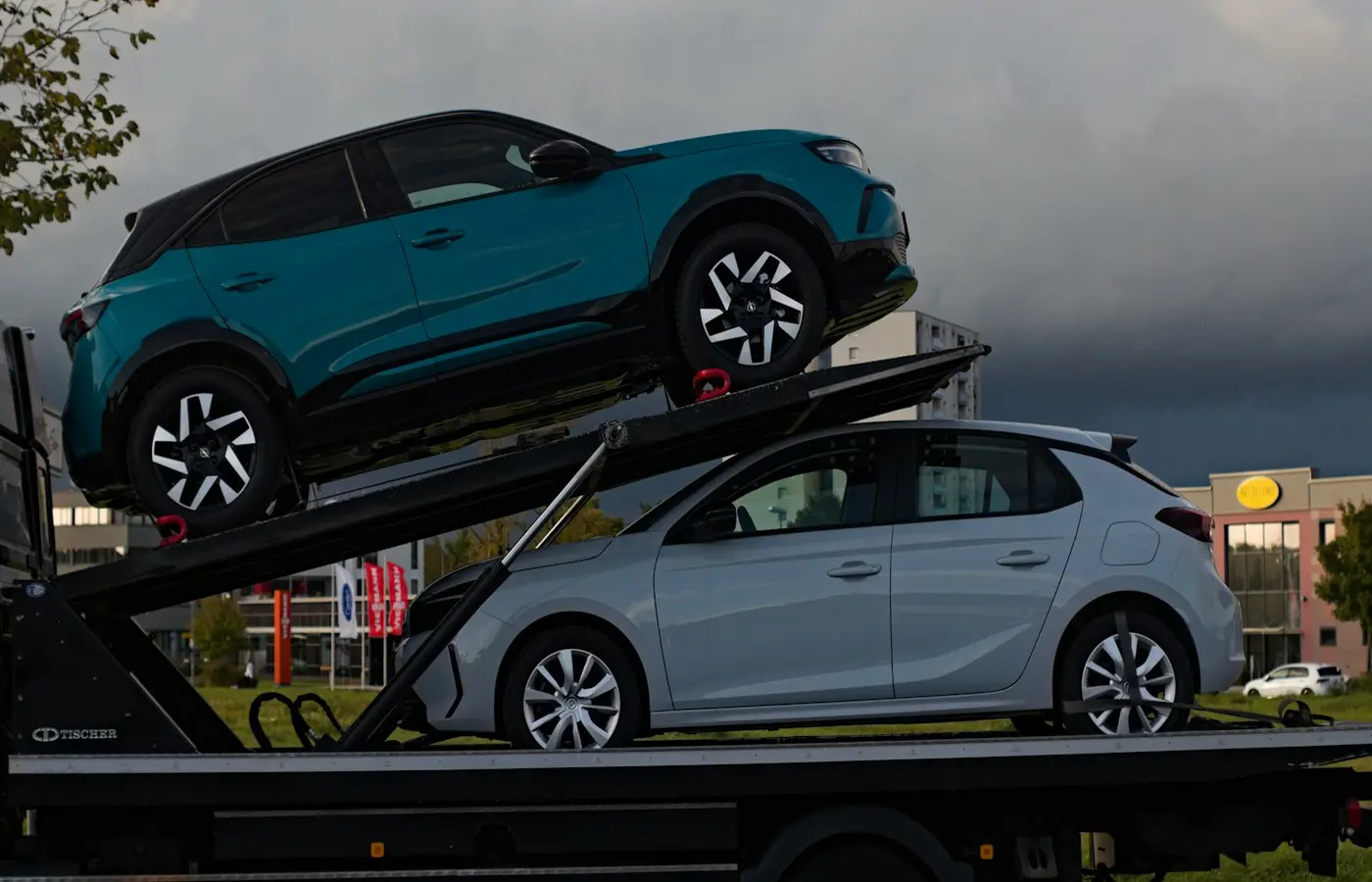
China’s automotive logistics market is not one transport service from factory gate to overseas buyer. It is a sequence of physical, digital and contractual handoffs: a completed vehicle is released from a plant, assigned to a domestic or export destination, moved through a road, rail or water network, received at a port compound, processed for export, and loaded for sea transport.
For vehicle exporters, overseas distributors and fleet buyers, the important question is not simply which company moves the cars. It is whether every handoff is connected. A missed factory release window, unavailable vehicle carrier, congested compound, incomplete export document or changed vessel booking can delay the whole shipment even when the preceding leg operated as planned.
This article focuses on finished-vehicle logistics: the movement and storage of completed passenger cars, commercial vehicles and other saleable vehicles. It does not attempt to estimate the total China automotive logistics market, because published estimates often combine very different activities, including inbound parts, factory materials, domestic distribution, international freight and warehousing.
For a broader explanation of how components, finished vehicles and export flows fit together, see our guide to the China automotive logistics market.
What finished-vehicle logistics includes
Finished-vehicle logistics begins once a vehicle is ready to leave the manufacturing system and ends when it reaches a dealer, fleet customer, distributor compound or another agreed delivery point. For an export shipment, the simplified flow is usually:
- Factory release and dispatch planning
- Movement to an inland compound, rail terminal, port or consolidation location
- Storage, inventory control and condition management
- Export-port receipt and preparation
- Customs declaration and export-document processing
- Loading onto an ocean vessel or into a container
- Overseas port discharge and destination-market delivery
In practice, these stages do not always occur in a straight line. Vehicles may wait in a factory compound for allocation, be transferred through a regional yard, or arrive at a port well before the booked vessel. Some shipments also use multiple transport modes before reaching the export terminal.
A specialist vehicle logistics provider may operate road transport, warehousing, yard management and multimodal movements. A freight forwarder may arrange bookings, documentation and cross-border coordination. An ocean carrier provides sea transport. Port and terminal operators control the facilities where vehicles are received, staged and loaded. One company can perform several of these functions under a bundled contract, but the functions remain distinct.
From factory compound to the inland network
The first handoff happens before a vehicle appears on a public road or railway. Manufacturers need to decide which finished units are available for release, where they are allocated, when they must arrive, and which logistics channel will be used.
This is why transport planning commonly starts before vehicles physically leave the factory. An industry explainer from Sinotraffic describes finished-vehicle planning around expected vehicle readiness, destinations and transport capacity. The detail differs by automaker and contract, but the basic operating problem is consistent: production output and transport capacity must be matched closely enough to avoid excessive yard dwell time or missed delivery windows.
At this stage, typical tasks can include:
- confirming the vehicle identification number and destination allocation;
- recording vehicle condition at release and at each custody transfer;
- placing vehicles in a factory or near-factory compound;
- grouping vehicles by route, dealer region, export market or vessel departure;
- assigning road carriers, rail capacity or waterborne transport; and
- loading vehicles under procedures designed to reduce handling damage.
Condition control matters because a finished vehicle may change custody several times before it sails. Damage disputes are difficult to resolve when inspection records, timestamps, photographs or exception reports are incomplete. Buyers should therefore treat traceability as an operating requirement, not merely as a software feature.
Factory release also determines whether a vehicle is treated as domestic inventory or export inventory. The physical vehicle may travel over the same road or rail network in either case, but export units need to remain aligned with shipping documentation, customs arrangements and destination-market requirements.
Road, rail and coastal shipping: selecting the factory-to-port route
There is no single preferred transport mode for finished vehicles in China. Road vehicle carriers, rail, inland waterway services, coastal Ro-Ro operations and multimodal combinations can all form part of the route to port.
The choice depends on the specific flow rather than a general rule about which mode is fastest or least expensive. Relevant variables include:
- the location of the factory and the chosen export port;
- shipment volume and frequency;
- vehicle type, dimensions and handling requirements;
- available road-carrier and rail capacity;
- port sailing schedule and cut-off times;
- yard capacity at origin, intermediate locations and port;
- seasonal disruption, weather and network congestion; and
- the need for contingency options if a booked service changes.
Road is often useful for flexible collection and final delivery to a terminal. Rail can be suitable where volumes, loading facilities and schedules align. Coastal water transport can connect distant coastal production and consumption regions, while multimodal planning can combine the strengths and constraints of each mode.
A documented historical example comes from Changjiu Logistics’ 2021 description of a Dalian-to-Guangzhou flow. The company described a rail-water-road model in which vehicles moved through the Dalian Automobile Terminal, travelled by Ro-Ro vessel to Guangzhou, and then completed road distribution. This was a domestic logistics example, not evidence of a current export corridor or a universal China-wide model. Its value is to show how finished-vehicle operators can join rail, water and road legs into one planned flow.
For an export programme, buyers should ask whether the proposed route has a credible fallback. A plan dependent on one port, one carrier pool or one vessel departure may work under normal conditions but can become fragile when schedules move or terminal capacity tightens.
What happens at the export port
At the port, the shipment changes from inland distribution to export execution. The terminal is not simply a parking area before a vessel arrives. It is a controlled operating environment where vehicles are received, identified, stored, inspected, staged and prepared for loading.
The exact procedure varies by terminal, carrier, vehicle type and commercial agreement. A typical sequence may include the following:
Port receipt and yard control
Vehicles arrive under an appointment or delivery plan, are checked into the port or terminal system, and are placed in a designated storage area. The terminal needs accurate inventory visibility because vehicles may be allocated to different vessels, destinations or loading sequences.
Condition checks and loading preparation
Inspection procedures can record visible condition at receipt and before loading. Vehicles may be staged according to the vessel plan, destination port, model mix or loading order. The level of inspection and responsibility for damage reporting should be set out in the transport and terminal agreements rather than assumed.
Customs and export documentation
China export clearance involves customs declaration and supporting trade documentation. The party submitting the declaration may be the exporter, a customs broker, a freight forwarder or another authorised service provider, depending on the transaction structure and contractual arrangements.
This is also where commercial documents must match the physical shipment. Inconsistent vehicle identifiers, quantities, exporter details or destination information can create avoidable delays. The logistics provider may support document flow, but the contractual exporter normally needs clear control over the accuracy and ownership of trade data.
Handoff to the ocean carrier
Once vehicles are accepted for a booked sailing and prepared for loading, responsibility shifts according to the carriage contract and terminal operating terms. The ocean carrier operates the sea leg, while the terminal manages the port-side loading process. These roles can appear seamless to the cargo owner, but they are commercially separate.
Ocean services from China may be available through Ro-Ro, container or other transport arrangements. For example, MSC’s China automotive page describes ocean connectivity for Chinese automotive manufacturers to overseas markets. That does not mean every destination, port or vehicle programme uses the same carrier or service pattern.
Ro-Ro versus containers for vehicle exports
Chinese vehicle exports are not all shipped by Ro-Ro vessel, and they are not all containerised.
Ro-Ro shipping is designed for cargo that can be driven or towed on and off a vessel. It can be appropriate for larger volumes of completed vehicles, but access depends on vessel availability, terminal capability, destination-port infrastructure and booking terms.
Container shipping can be used for vehicles in some circumstances, particularly where shipment sizes are smaller, destinations lack suitable Ro-Ro calls, or a shipper needs a different routing option. It also brings its own loading, securing, equipment and documentation requirements.
The appropriate choice is therefore a commercial and operational decision, not a fixed rule based on the country of export. Battery-electric vehicles can require additional carrier, port and dangerous-goods compliance checks. Those requirements should be verified with the selected carrier and terminal for the specific route and sailing.
Who does what in the logistics chain
Responsibilities can overlap, but the following division is a useful starting point.
| Party | Typical role |
|---|---|
| Automaker or exporter | Controls production release, destination allocation, sales terms and often procurement of logistics services. |
| Finished-vehicle logistics provider | Operates or coordinates inland transport, compounds, storage, vehicle handling and multimodal movements. |
| Freight forwarder | Coordinates international bookings, documents, cargo instructions and cross-border handoffs. |
| Customs broker or authorised declarant | Submits customs declarations where appointed and authorised to do so. |
| Port or vehicle terminal | Receives, stores, stages and loads vehicles within the terminal operating area. |
| Ocean carrier | Provides the maritime transport service under the sea-carriage contract. |
| Overseas importer or distributor | Manages destination-market clearance, local storage and final distribution unless another party has contracted those services. |
In real contracts, a large logistics group may bundle several roles. A provider may offer inland transport, warehousing, international freight coordination and customs-related support. That can simplify communication, but it does not eliminate the need to identify who carries each operational, financial and compliance responsibility.
The key document is not a marketing service list. It is the scope of work, including custody points, liability limits, reporting obligations, claims procedures and exceptions management.
Domestic distribution and export logistics share assets, but not the same obligations
Domestic vehicle distribution and export logistics often use overlapping infrastructure. Both may rely on car carriers, rail links, vehicle compounds, storage systems and port-adjacent yards. A vehicle logistics provider can use common network assets while serving dealer distribution, fleet deliveries and export programmes.
Export flows add several layers that domestic movements do not necessarily require:
- vessel bookings and carrier cut-off dates;
- customs declarations and export documentation;
- shipping instructions and bills of lading or equivalent sea-carriage documents;
- coordination with overseas importers, distributors or agents;
- destination-port handling plans; and
- route-specific compliance requirements.
A domestic port-to-port movement should not automatically be treated as an export process simply because it uses a Ro-Ro vessel. Likewise, a provider with strong domestic carrier capacity may still need a separate international freight, customs and ocean-carrier arrangement to execute an export shipment reliably.
How to assess a factory-to-port logistics plan
The chain is only as reliable as its interfaces. Before appointing providers, exporters and buyers should test the plan against practical questions rather than relying on broad claims of nationwide coverage.
Questions to ask before shipment
- Which party takes custody at factory release, and how is condition recorded?
- What is the primary route from factory compound to port, and what is the fallback route?
- Can the provider handle the relevant vehicle dimensions, value profile and powertrain type?
- Where will vehicles wait if production finishes before port acceptance or vessel loading?
- Who owns port appointments, terminal communications and inventory reporting?
- Who is responsible for the export declaration, and who supplies each data element?
- Who books the vessel, controls the shipping instruction and receives schedule-change notices?
- What condition-reporting process applies at factory, interchange point, port receipt and vessel loading?
- How are cargo insurance, damage claims and delay-related costs allocated?
- Who handles destination-port release and final delivery after arrival?
A good answer should identify named parties and written operating procedures. “End-to-end service” is not enough unless the supplier can show where its responsibility begins and ends.
What to watch in China’s finished-vehicle logistics market
China’s vehicle export growth has increased attention on ports, Ro-Ro capacity, inland connectivity and overseas distribution networks. But the practical risk remains highly specific to the programme: factory location, destination market, vehicle type, shipment cadence, selected port and commercial terms all affect the workable solution.
The most resilient plans connect production, inland transport, port operations and ocean bookings early rather than treating sea freight as a final step after vehicles are already waiting at a terminal. For international buyers, the best indicator of readiness is usually not a provider’s broad network description. It is a route-level operating plan with clear custody points, document ownership, contingency arrangements and destination handoff responsibilities.
FAQ
What is the difference between a finished-vehicle logistics provider and a freight forwarder in China?
A finished-vehicle logistics provider typically focuses on physical movement, compounds, storage, handling and inland distribution of completed vehicles. A freight forwarder typically coordinates international transport bookings, shipping documents and cross-border handoffs. The same group may offer both services, but the operating roles are different.
Are Chinese vehicle exports usually shipped by Ro-Ro vessel or container?
Both methods are used. The choice depends on shipment volume, available vessel services, port capability, destination infrastructure, schedule and contract terms. Ro-Ro is not the only export method, and container shipping is not limited to one type of vehicle programme.
Can vehicles move from a Chinese factory to port by rail as well as by road?
Yes. Finished vehicles can move by road, rail, coastal or inland water transport, or through a multimodal combination. Whether rail is suitable depends on loading facilities, capacity, schedule, factory location and port connection.
Who is responsible for customs clearance when a vehicle leaves China?
It depends on the transaction and service contracts. The exporter is generally responsible for ensuring that export requirements and trade data are properly managed, while a freight forwarder, customs broker or other authorised party may submit the customs declaration. The responsible parties should be stated clearly in the shipment instructions and commercial agreements.