
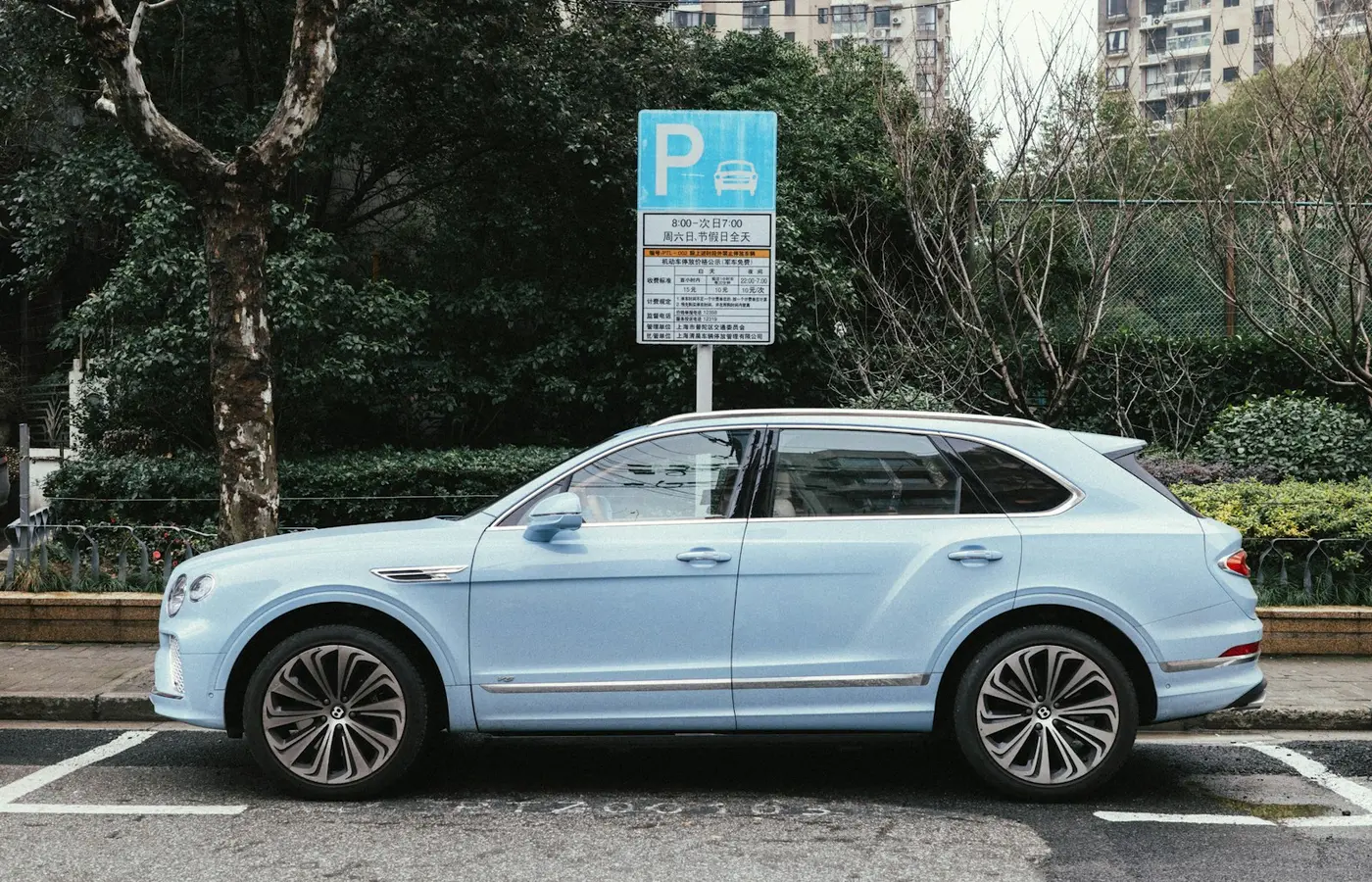
Chinese Range-Extended EVs: How EREVs Differ From Plug-In Hybrids
How Chinese range-extended EVs use engine-generators, how they differ from PHEVs, and what buyers should compare before choosing either system.
Insight category
Explore China Vehicles reporting and explainers in technology.
How Chinese range-extended EVs use engine-generators, how they differ from PHEVs, and what buyers should compare before choosing either system.
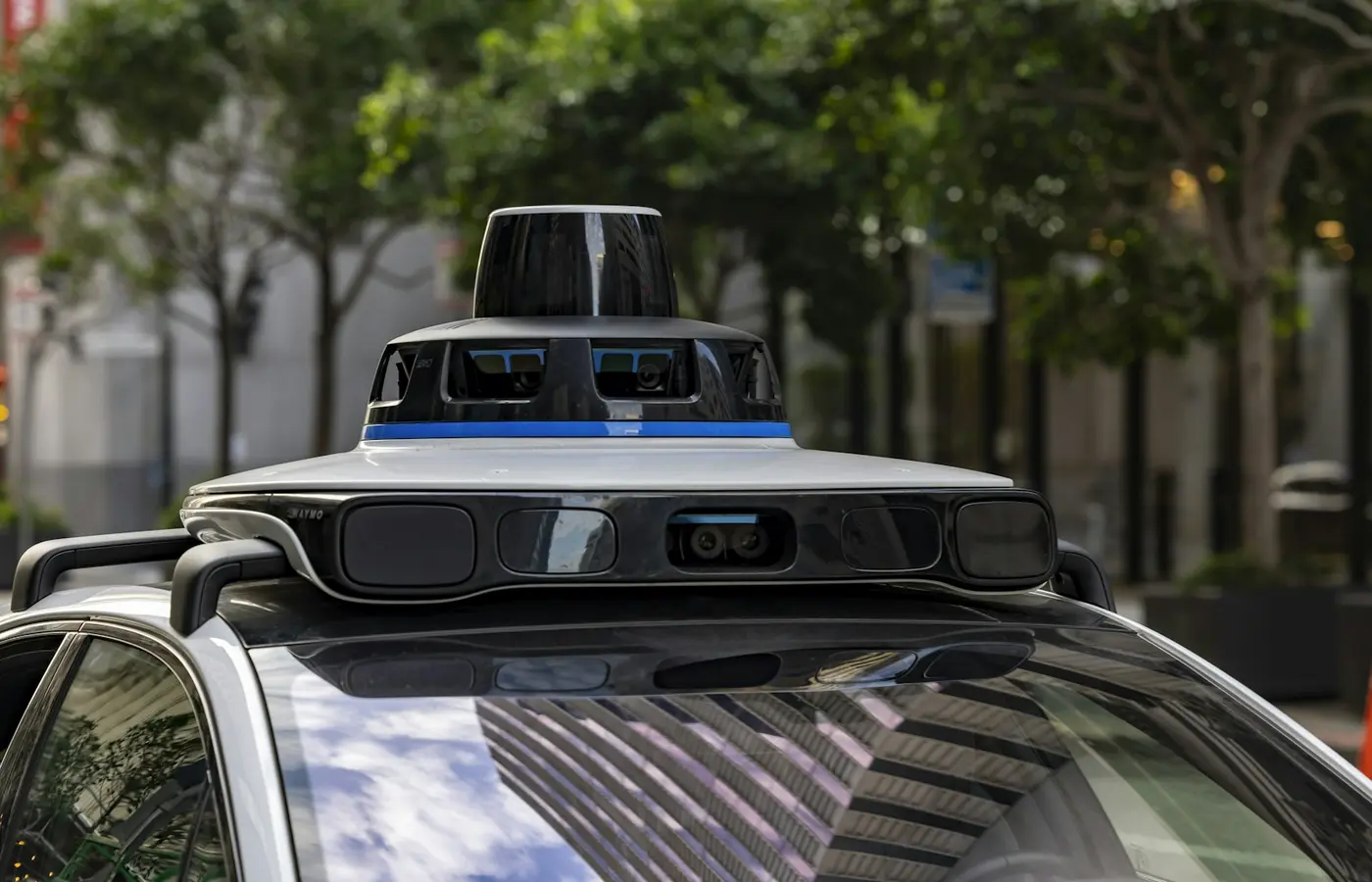
A practical framework for assessing China NOA hardware: sensor layouts, compute platforms, map dependence, software integration and real operating limits.
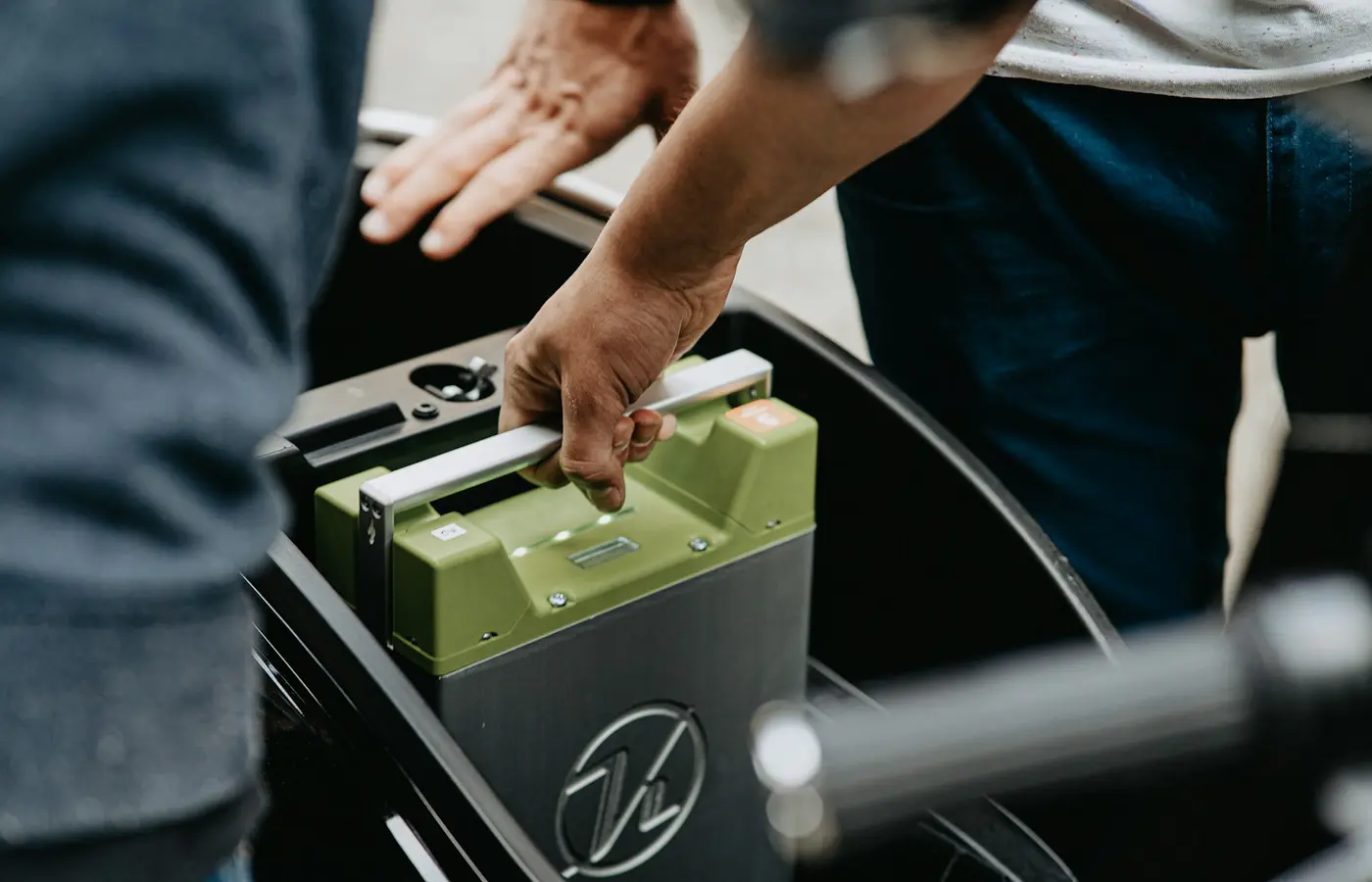
How LFP and NMC batteries affect China-built EVs—and which vehicle specifications, charging details, and warranty terms buyers should verify.
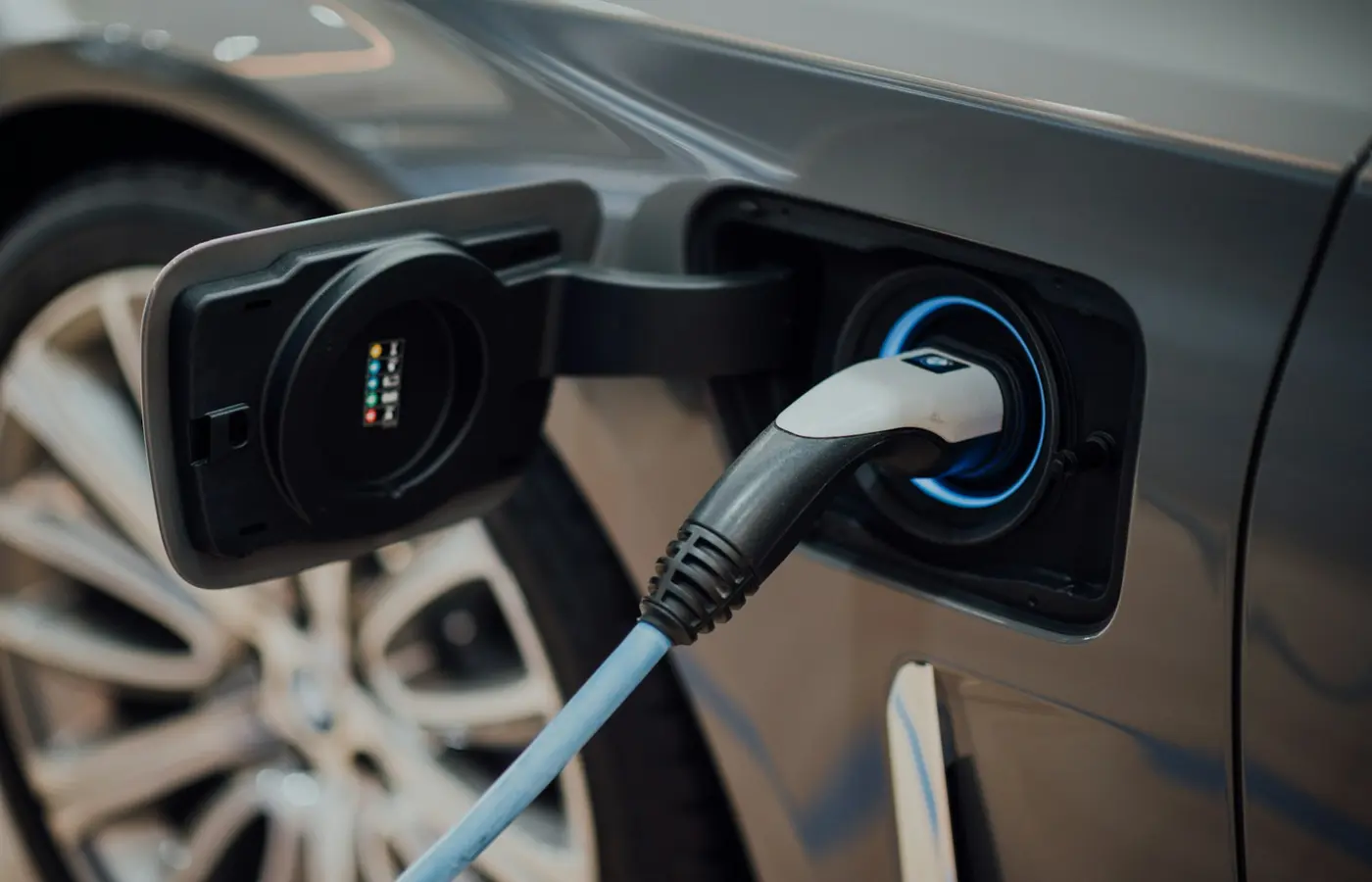
An 800V badge can support rapid charging, but battery limits, charging curves and charger compatibility determine the real stop time.

China’s NOA market spans highway and urban assisted-driving systems, with automakers and suppliers differentiating through software, hardware and rollout strategy.
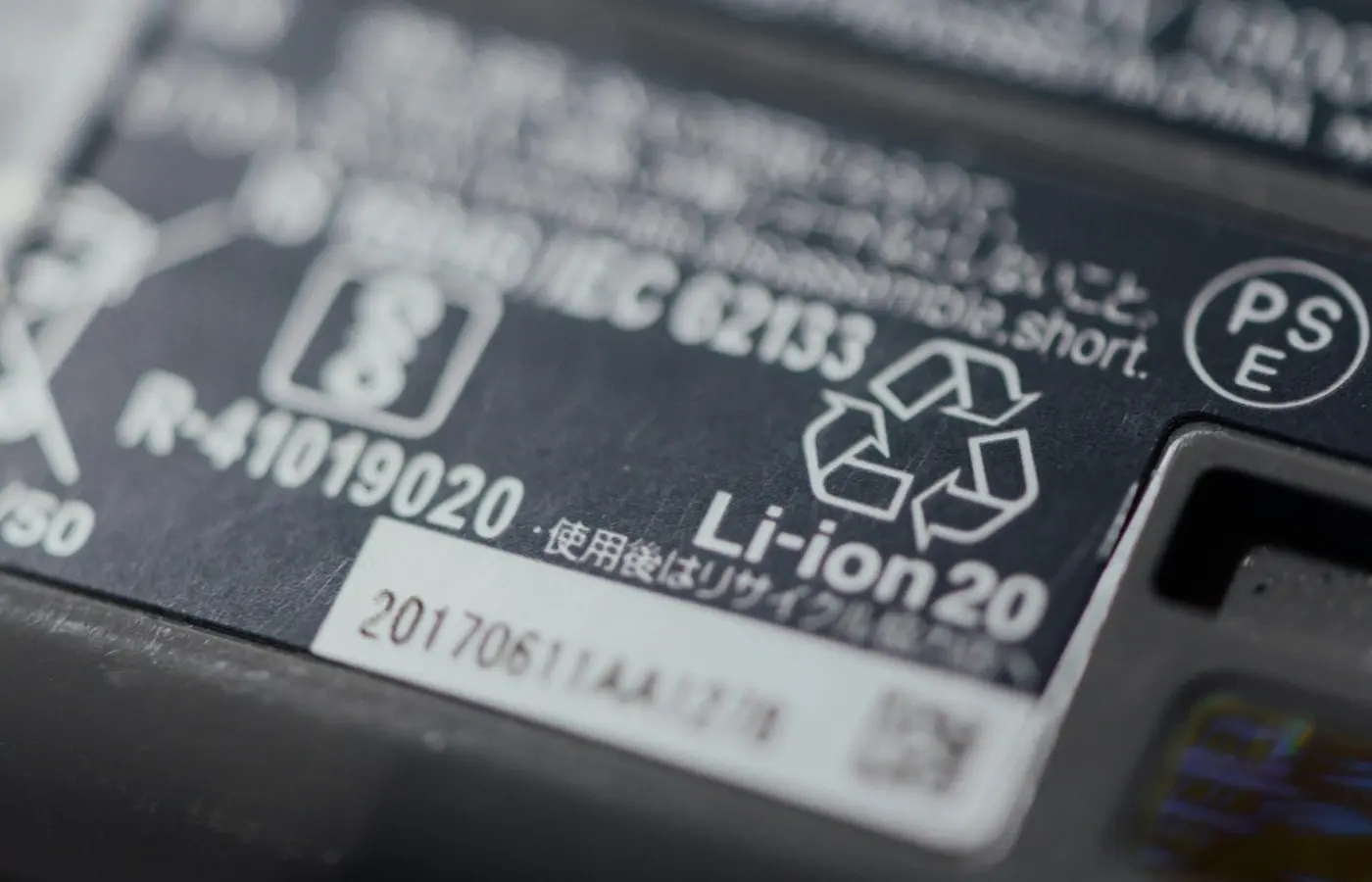
A practical guide to checking battery identity, production records, supplier disclosures and supply-chain traceability for Chinese EV imports.
Where sodium-ion batteries may fit in Chinese vehicles, how they compare with LFP, and what buyers should verify before relying on a chemistry claim.
Understand the scope of GB/T 18487.1-2023, how it relates to connectors and communications, and what buyers should verify on Chinese EV chargers.
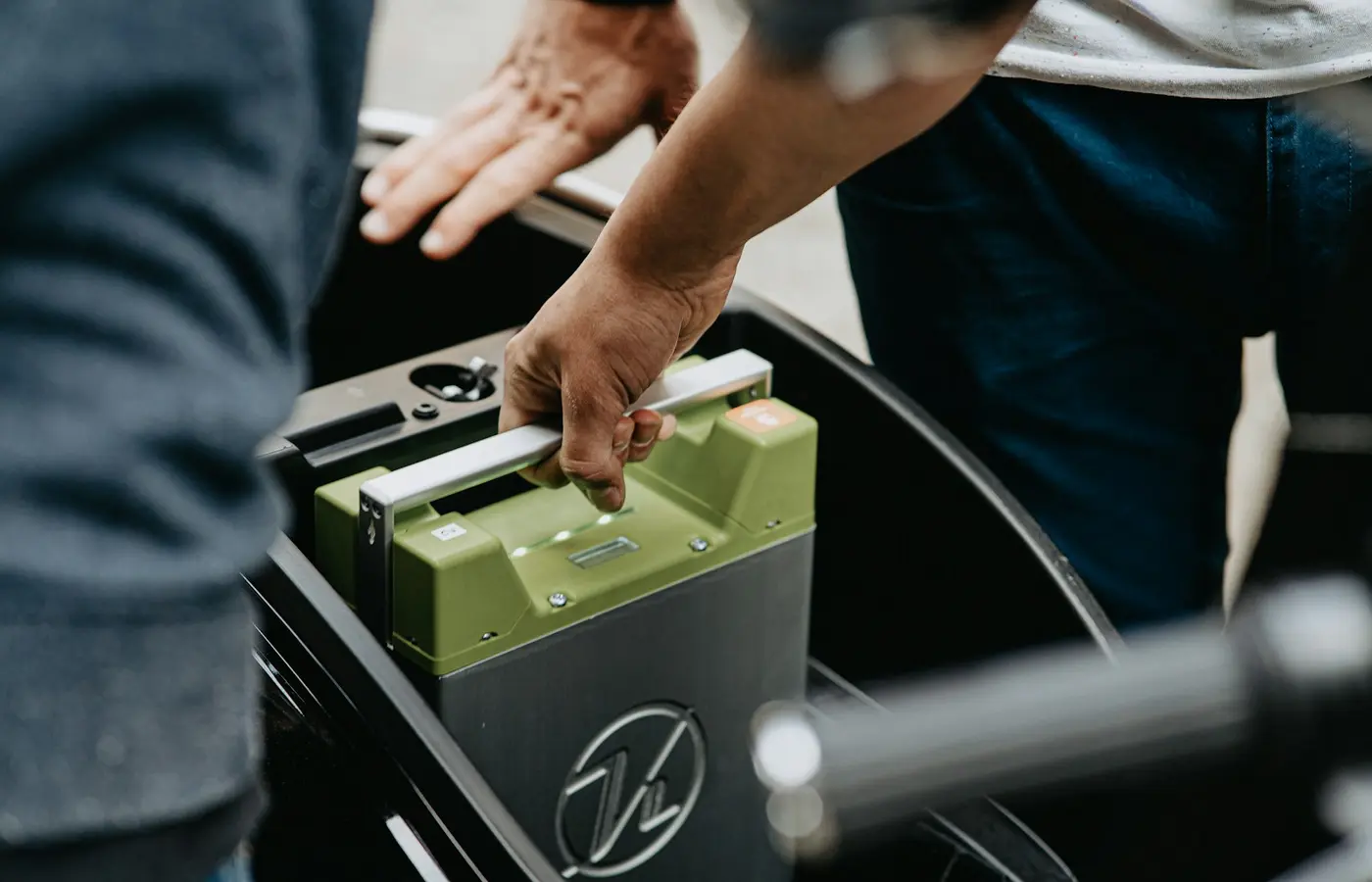
How China’s EV battery-swapping model works, why fleets are a key use case, and what limits wider adoption for passenger cars.

What NOA means in China, how highway and urban systems differ, and what buyers should check about limits, supervision and updates.

CLTC and WLTP EV range figures come from different laboratory procedures. Learn what they measure, why they differ, and how to compare them carefully.
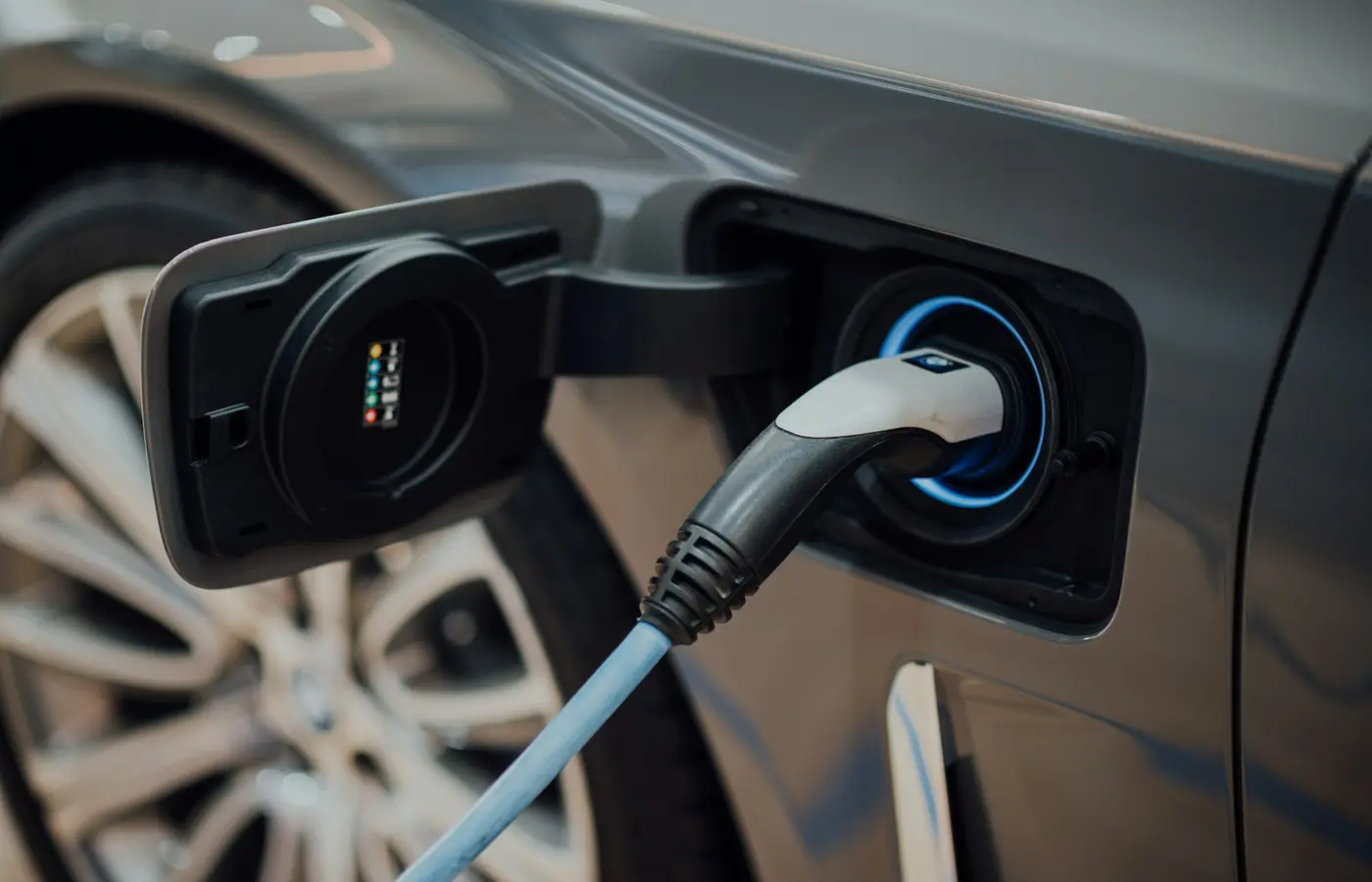
Chinese EV charging compatibility depends on the exact vehicle version, inlet, communication protocol and approved equipment—not simply its port or adapter.
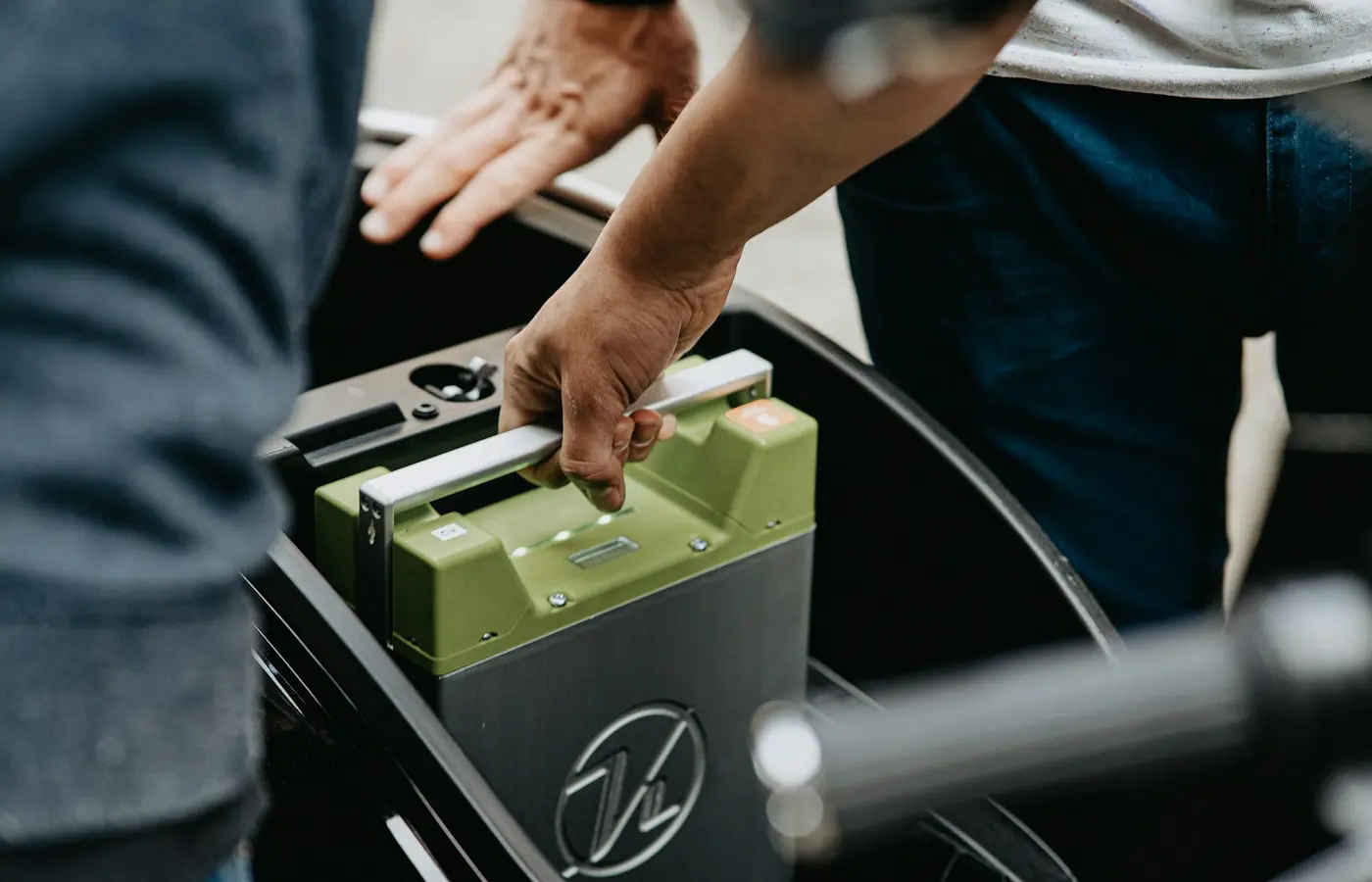
A practical guide to LFP, NMC and sodium-ion EV batteries in Chinese vehicles, including range, safety, cost, charging and fleet implications.
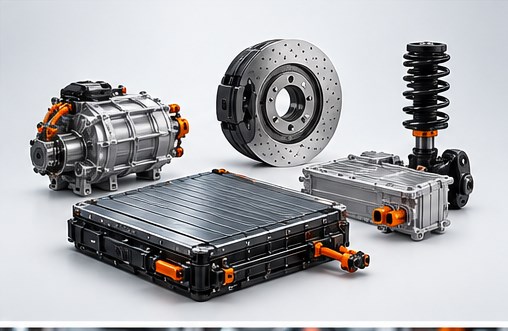
Chinese automakers are moving from 400V systems to higher-voltage platforms and extreme charging claims. Here is the engineering behind the numbers.
Battery swapping remains a niche globally, but China has created passenger-car and heavy-truck use cases where it can solve real operational problems.
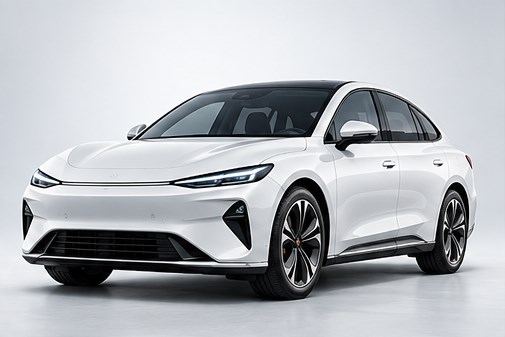
A practical guide to the four powertrain categories shaping China’s passenger-car market and why they serve different use cases.
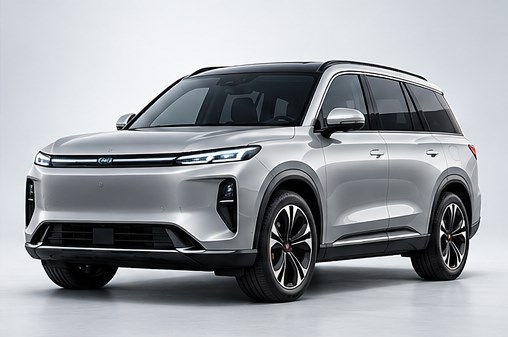
Advanced driver assistance is becoming standard equipment in China, but new mandatory rules are drawing a clearer line between assistance and automation.
China has one of the world’s largest EV charging ecosystems, but connector standards and communication protocols matter when vehicles cross borders.
Extended-range EVs combine an electric driving experience with an onboard generator. China turned the architecture into a major family-SUV category.
Large screens are only the visible part of China’s software-defined vehicle trend. Central computing, OTA updates, voice control and data services are changing the architecture underneath.
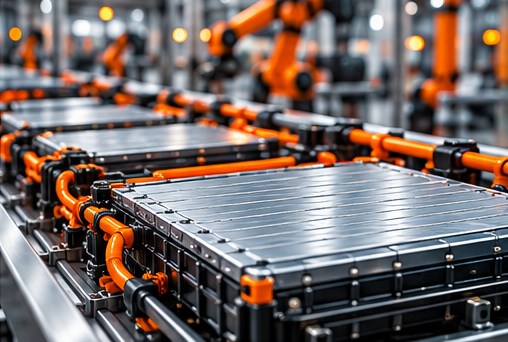
LFP now powers a large share of the global EV market. China’s supply chain explains why the chemistry became central to affordable electric cars.